


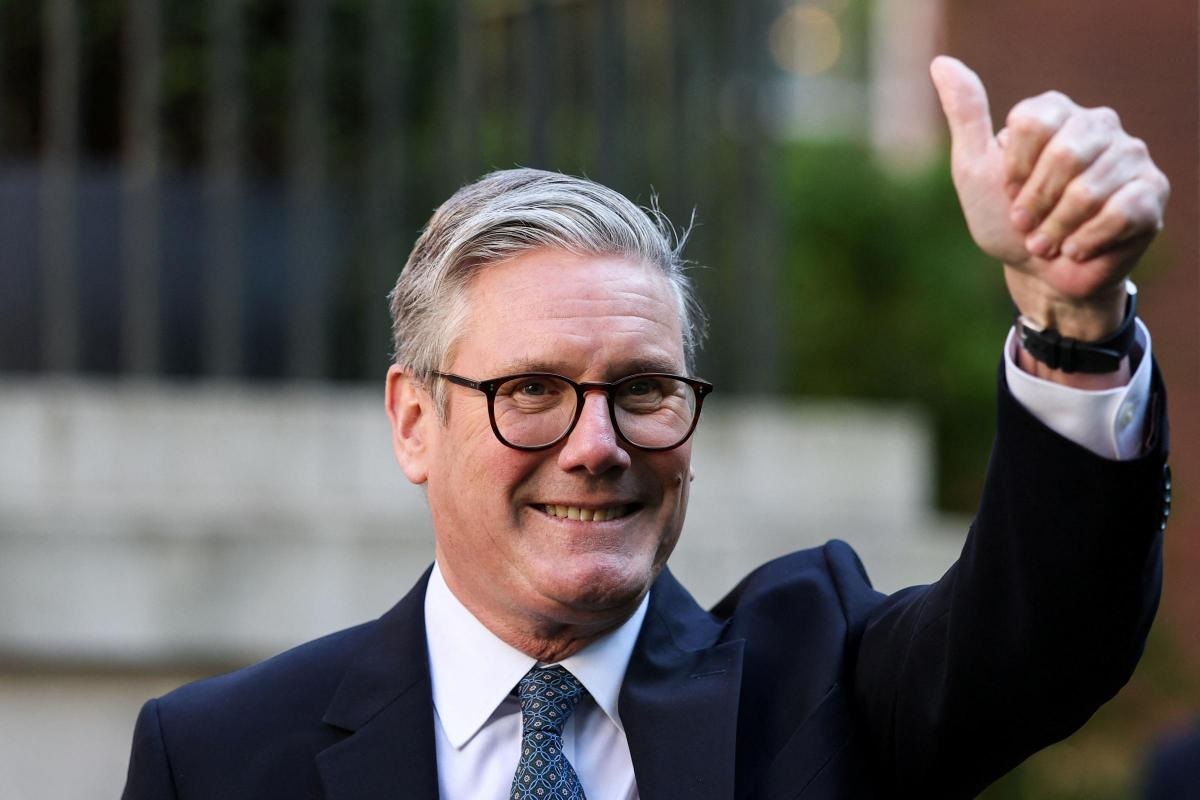
Former British Prime Minister Sir Keir Starmer has announced his resignation as a Member of Parliament, ending his 11-year representation of the London constituency of Holborn and St Pancras.
Starmer, who has represented the constituency since 2015, had previously indicated that he planned to remain an MP until the next general election, expected in 2029.
His resignation will trigger a by-election in the Labour stronghold.
Announcing his decision, Starmer said it was the “right time” to leave Parliament and focus on international affairs and his long-standing campaign against violence towards women and girls.

“It has been a huge honour and privilege to represent Holborn and St Pancras for 11 years,” he told the Camden New Journal, adding that he was ready to “pass the baton to a successor”.
Starmer said his future work would focus on international affairs, particularly defence, security, trade and technology as the global landscape continues to change.
He also pledged to continue his efforts to combat violence against women and girls, describing the issue as one that “matters to me hugely”.
The announcement came shortly before his successor as Labour leader, Andy Burnham, was expected to make his first appearance in the House of Commons as prime minister.
Starmer’s decision has drawn criticism from the Conservative Party, with party chairman Kevin Hollinrake accusing him of making “another U-turn” after previously promising to remain in Parliament.
Hollinrake also criticised the cost of holding another by-election.
Despite Starmer’s departure, Holborn and St Pancras remains a strong Labour seat. He won it by more than 11,000 votes in the 2024 general election.
However, the Green Party is expected to mount a serious challenge, after finishing second in recent local election results across wards within the constituency.
Green Party leader Zack Polanski has also been linked with a possible bid for the seat, with a party spokesperson saying he had “always made it clear he would like to be a London MP”.
Starmer’s resignation marks a departure from the recent pattern among former British prime ministers.
Rishi Sunak and Theresa May remained MPs after leaving Downing Street, while Boris Johnson and David Cameron resigned their parliamentary seats after their premierships ended.
Starmer has not disclosed what international role he may pursue after leaving Parliament, although diplomacy, defence and security issues featured prominently during his time as prime minister.




