


The United States and Iran have signed a 14-point agreement designed to halt months of conflict and create a pathway toward a permanent settlement.
The memorandum, signed by President Donald Trump and Iranian President Masoud Pezeshkian, extends the ceasefire already in place and launches a 60-day negotiation period aimed at reaching a final deal.
While many details remain unresolved, the agreement outlines major commitments on security, sanctions, oil exports, nuclear oversight and economic recovery.
A Ceasefire Across the Region

The deal calls for an immediate end to military operations between the United States and Iran and extends the truce to Lebanon.
Both sides pledge not to launch attacks or threaten one another, while committing to respect Lebanon’s sovereignty and territorial integrity.
The provision could become a flashpoint, however, as Israel has already signalled reluctance to withdraw its forces from southern Lebanon.
Mutual Respect and Non-Interference
Washington and Tehran have agreed not to interfere in each other’s internal affairs and to respect each other’s sovereignty.
The language marks a significant shift after months of escalating rhetoric and military confrontation.
A 60-Day Window for a Permanent Settlement
The agreement creates a two-month timetable for negotiators to hammer out a comprehensive peace arrangement.
If both sides agree, the talks can be extended beyond the initial deadline.
US Naval Blockade to End
Washington will begin dismantling its blockade of Iranian ports immediately.
The process is expected to be completed within 30 days, restoring maritime access that was severely disrupted during the conflict.
The agreement also envisions a gradual reduction of US military assets positioned near Iran once a final settlement is reached.
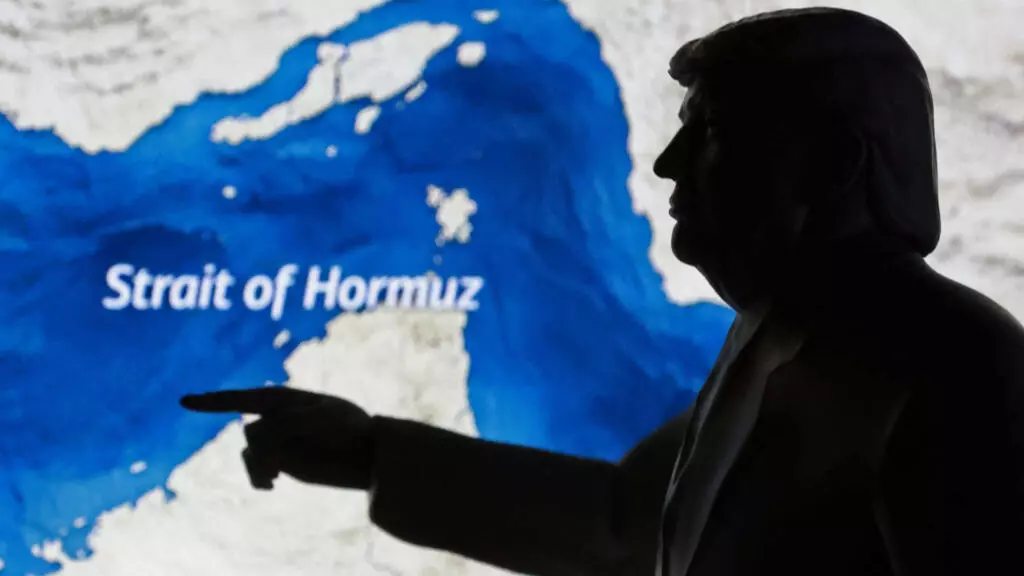
Strait of Hormuz Reopens
Iran has committed to restoring safe passage through the Strait of Hormuz, one of the world’s most important oil shipping routes.
The reopening is expected to ease pressure on global energy markets after months of disruption that drove oil prices sharply higher.
Long-term management of the waterway will be discussed with Gulf states, including Oman.
A $300 Billion Reconstruction Framework
One of the most eye-catching elements of the deal is a proposed $300 billion reconstruction and development plan for Iran.
The money is expected to come largely from regional partners and private investment rather than directly from the US government.
American officials insist US taxpayers will not fund the package.
Sanctions Relief on the Table
The agreement commits Washington to lifting economic sanctions on Iran, although the timetable remains unclear.
Details will be negotiated during the next phase of talks.
For Tehran, sanctions relief represents one of the most significant incentives in the agreement.
Iran Reaffirms Nuclear Commitment
Iran has again pledged not to develop or acquire nuclear weapons.
Its stockpile of enriched uranium will be placed under international oversight, with plans for dilution or other agreed measures to reduce proliferation risks.
The process will be monitored by the International Atomic Energy Agency (IAEA).
Oil Exports Resume
Until a final agreement is reached, the United States will refrain from imposing new sanctions and will permit oil exports and related financial transactions to continue.
The move is expected to boost Iranian oil sales and increase global crude supplies.
Frozen Assets to Be Released
The deal also opens the door to the gradual release of Iranian assets frozen abroad.
Access to those funds will be linked to Iran’s compliance with the agreement and future commitments.
Monitoring and Final Talks
Both sides will establish a mechanism to monitor implementation of the agreement and verify compliance.
Negotiators will now begin work on a permanent settlement that, if completed, would eventually be endorsed through a binding United Nations Security Council resolution.
The Bottom Line
The agreement delivers immediate economic relief for Iran and a halt to hostilities that have destabilised the Middle East for months. For the United States, the centrepiece is Iran’s renewed commitment not to pursue a nuclear weapon.
Whether the deal evolves into a lasting peace will depend on the difficult negotiations that lie ahead, particularly over Iran’s nuclear programme, sanctions relief, and the future of conflicts involving regional allies.




