


The United States recently launched a full naval blockade of Iranian ports, leading to sharp criticism from the Chinese government. Beijing warns the move will hurt global energy markets and destroy regional stability.
The United States Navy began enforcing a strict blockade on Iranian ports this week. This military action follows the total failure of peace negotiations held in Pakistan over the weekend. Because of this, global energy prices have already started to fluctuate. The next section explains how international leaders are responding to this sudden military escalation.
China Warns of Global Economic Risks
Beijing describes the new American naval strategy as a dangerous and irresponsible act. Furthermore, the Chinese foreign ministry stated that the blockade directly threatens the safety of the Strait of Hormuz. This narrow waterway is vital because it handles one of the largest shares of the world’s oil shipments. In addition, China remains the primary buyer of oil from Iran. https://diasporadigitalmedia.com/fuel-imports-surge-97-despite-improved-local-supply/
“The blockade will only exacerbate tensions and undermine the already fragile ceasefire.” Guo Jiakun, Foreign Ministry Spokesman

President Xi Jinping also weighed in on the crisis during a recent meeting in Beijing. He vowed that China would play a constructive role in promoting peace talks between the warring nations. Nevertheless, Donald Trump has defended the blockade as a necessary tool. Specifically, he believes this pressure will force Tehran to finally abandon its nuclear program.
Rare Diplomacy in the Middle East
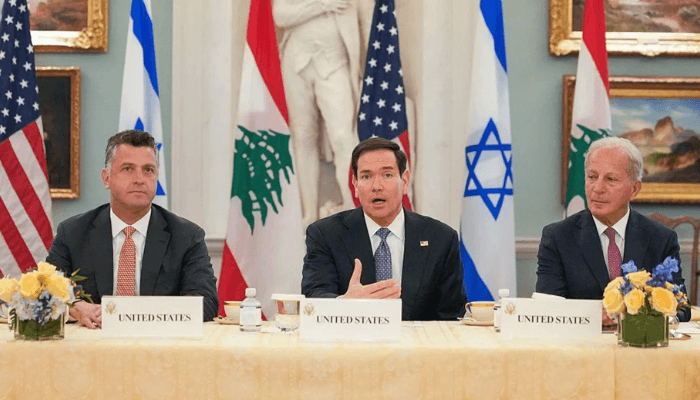
Meanwhile, a significant diplomatic event took place at the State Department in Washington. Israeli and Lebanese ambassadors met for their first high-level direct talks in over thirty years. Secretary of State Marco Rubio mediated the two-hour meeting to seek a permanent ceasefire. As a result, both nations agreed to launch formal negotiations at a later date.
Despite these talks, heavy fighting continues between Israel and the armed group Hezbollah. Following this, Lebanon’s representative, Nada Hamadeh Moawad, called for an immediate humanitarian relief plan. Her Israeli counterpart, Yechiel Leiter, described the initial exchange as wonderful and productive. Even so, Hezbollah has already rejected any agreements made during these diplomatic discussions. https://youtu.be/JLWstsTStXs?si=sgqtlSNsX-Ho007N
Migration Reforms and Peace Gestures
In Europe, the Spanish government approved a plan to legalise 500,000 undocumented migrants. This policy offers a one-year residency permit to people who can prove they have lived in Spain since late 2025. Prime Minister Pedro Sánchez framed the decision as both a moral duty and a practical economic move. Therefore, this measure aims to help fill major labour gaps in the aging Spanish population. /world/us-iran-blockade-china-condemnation
Shortly after this, a symbolic peace gesture occurred in Africa. Separatist fighters in Cameroon announced a three-day pause in hostilities for the visit of Pope Leo XIV. The Pope is currently on his first African tour as the head of the Catholic Church. This shows that the influence of the papacy still carries weight in conflict zones. Ultimately, residents in the restive northwest region hope this brief silence will lead to lasting peace talks.
In summary, the world is facing a mix of military tension and rare diplomatic openings. The US blockade of Iran creates a major risk for international trade and energy security. At the same time, new talks and migration reforms offer a glimmer of hope for stability. Global leaders must now act quickly to prevent further escalations in these fragile regions




