


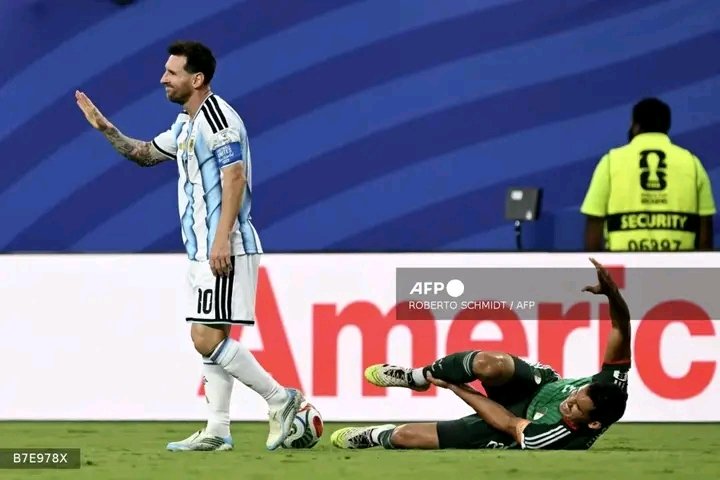
The 2026 FIFA World Cup has produced stunning goals, memorable upsets and captivating knockout encounters, but another storyline has consistently dominated conversations throughout the tournament. The Video Assistant Referee (VAR) system has once again found itself at the heart of football’s biggest moments, influencing crucial decisions that have changed the course of matches and sparked passionate debate among players, coaches and supporters.
Introduced to eliminate clear and obvious refereeing errors, VAR has corrected several important calls during the competition. At the same time, some of its interventions have divided opinion, with critics questioning the consistency of decisions and the length of reviews. As the tournament heads towards its conclusion, here are ten of the most talked about VAR incidents that have defined the World Cup.
Argentina’s victory over Egypt generated one of the earliest controversies after the South American giants were awarded a penalty following a lengthy video review. The referee was advised to review the incident after contact inside the penalty area. Although the decision stood, many football analysts argued the challenge did not warrant a spot kick, making it one of the tournament’s first major talking points.

Another dramatic VAR intervention came during Switzerland’s knockout clash with Argentina when a reckless tackle initially punished with a yellow card was upgraded to a straight red after video review. The dismissal left Switzerland with ten men and significantly altered the balance of the contest.
France also experienced VAR frustration during their semi final meeting with Spain. The French side celebrated what appeared to be an important goal before technology detected an offside offence in the build up. Despite the disappointment for France, the decision highlighted VAR’s role in ensuring the Laws of the Game were correctly applied.
England were involved in another controversial moment after appealing for a penalty following a challenge inside the opposition’s box. Match officials consulted VAR before deciding there was insufficient evidence to overturn the referee’s original decision, leaving England players and supporters disappointed.
Morocco also found themselves at the centre of debate after appealing for a handball penalty during one of their knockout fixtures. Following a careful review, officials concluded the defender’s arm was in a natural position and ruled that no offence had been committed.
Canada suffered heartbreak when a well worked goal was disallowed because VAR detected a marginal offside during the attacking move. While the technology correctly applied the offside law, the decision reignited discussions over whether extremely close calls should continue to determine important matches.
One of the tournament’s most notable reviews saw a direct red card overturned after officials examined replay footage. The challenge, initially considered serious foul play, was later judged to deserve only a yellow card, allowing the player to remain on the pitch.
Spain also benefited from the technology after VAR recommended an on field review for a foul inside the penalty area that had initially gone unnoticed. The referee awarded a penalty after watching the replay, and Spain converted the opportunity to gain a decisive advantage.
Perhaps the most dramatic VAR review occurred during stoppage time in a knockout fixture when a match winning goal was checked for a possible offside offence. Players and fans endured an anxious wait before the goal was finally confirmed, triggering emotional celebrations.
VAR also played a decisive role during a penalty shootout by detecting goalkeeper encroachment before a save. According to the Laws of the Game, the penalty was retaken, demonstrating how technology continues to influence every stage of modern football.
Although opinions remain divided, FIFA continues to defend VAR as an essential tool for improving the accuracy of refereeing decisions. Tournament officials insist the system is designed to assist referees rather than replace them, with interventions limited to goals, penalties, direct red cards and cases of mistaken identity.
As the World Cup reaches its climax, every decision will come under even greater scrutiny. With the stakes higher than ever, VAR is expected to remain one of the defining features of the tournament, ensuring fairness while continuing to fuel debate across the football world.




