


The first two years of a child’s life are a critical period for growth and development, making proper nutrition an important part of early childhood care.
During this period, children undergo rapid physical and brain development and require adequate nutrients to support growth, strengthen their immune systems and build healthy foundations for later life.
Health authorities, including the World Health Organization (WHO), recommend appropriate breastfeeding and complementary feeding practices to help meet the nutritional needs of infants and young children.
Breastfeeding Remains Important
WHO recommends that mothers initiate breastfeeding within the first hour after birth and exclusively breastfeed infants for the first six months of life, meaning babies should receive breast milk without other foods or liquids, including water, unless medically indicated.

Breast milk provides important nutrients and antibodies that support an infant’s growth and immune system.
After six months, breastfeeding should continue alongside appropriate complementary foods, with WHO recommending continued breastfeeding up to two years of age or beyond, depending on the needs and circumstances of the mother and child.
Why Complementary Feeding Matters
At around six months, a child’s nutritional requirements begin to exceed what breast milk alone can provide.
This is when complementary foods should be introduced while breastfeeding continues.
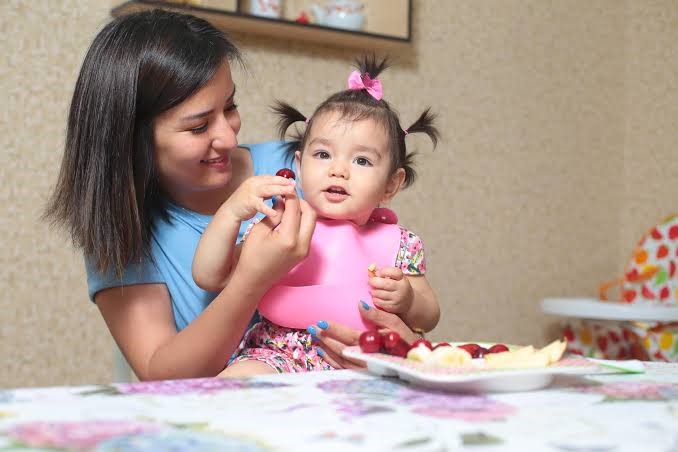
Complementary feeding involves gradually introducing safe, nutritious foods that provide additional energy and nutrients needed for growth and development.
Parents and caregivers should introduce foods in appropriate amounts and gradually increase the variety and texture as the child grows.
What Should Young Children Eat?
A balanced diet for young children should include a variety of nutritious foods.
Depending on availability and family dietary practices, these may include:
- Fruits and vegetables
- Cereals and grains
- Beans and other legumes
- Eggs
- Fish and other animal-source foods
- Meat and poultry
- Dairy products where appropriate
- Healthy sources of fats and oils
Providing a variety of foods helps children receive different nutrients needed for healthy development.
Parents should also pay attention to the consistency of food. Babies beginning complementary feeding may need soft or mashed foods, while older infants can gradually progress to thicker foods and appropriately sized pieces as their feeding skills develop.
Feed Children Frequently and Responsively
Young children have small stomachs and may need to eat several times throughout the day.
WHO recommends responsive feeding, which involves paying attention to a child’s hunger and fullness signals and encouraging them to eat without forcing them.
Caregivers should remain patient during feeding and allow children enough time to eat.
As children become older, they can gradually participate more actively in family meals while receiving foods prepared in forms that are safe and appropriate for their age.
Food Safety Is Essential
Food preparation and hygiene are particularly important when feeding infants and young children.
Contaminated food or water can cause infections and diarrhoeal diseases, which can be especially dangerous for young children.
Caregivers should therefore wash their hands before preparing food and before feeding a child. Food should be prepared and stored safely, and children should be given safe drinking water when water is appropriate for their age and circumstances.
Parents should also take precautions to prevent choking by ensuring that foods are prepared in safe sizes and textures.
Limit Foods High in Sugar and Salt
Young children should not be routinely given foods and drinks that are high in added sugars, salt or unhealthy fats.
Sugary drinks, sweets and highly processed foods can provide calories without supplying many of the nutrients children need for healthy growth.
Instead, caregivers should prioritise nutrient-rich foods and gradually establish healthy eating habits from an early age.
What About Poor Appetite?
A child’s appetite can vary from day to day. Parents should not necessarily be alarmed if a child occasionally eats less than usual.
However, persistent poor appetite, difficulty feeding, repeated vomiting, diarrhoea, problems swallowing or concerns about a child’s growth should be discussed with a healthcare professional.
Early assessment can help identify nutritional deficiencies, infections, feeding difficulties or other underlying health concerns.
The Role of Parents and Caregivers
Good nutrition during early childhood depends not only on the availability of food but also on how children are fed.
Parents and caregivers play an important role in creating a safe and supportive feeding environment.
Children should be encouraged to develop healthy eating habits without being pressured or forced to eat.
As children grow, caregivers can also introduce them to a wider variety of nutritious foods and allow them to gradually develop independence during meals.
Why the First Two Years Matter
Poor nutrition during the first two years can affect a child’s growth and development and may increase vulnerability to illness.
On the other hand, adequate nutrition during this period can support healthy physical growth, brain development and immune function.
For this reason, appropriate infant and young-child feeding is an important public health priority.
Conclusion
The first two years provide an important opportunity to establish healthy nutritional foundations for life.
Exclusive breastfeeding during the first six months, followed by the timely introduction of safe and nutritious complementary foods while breastfeeding continues, can help meet the changing nutritional needs of growing children.
Parents and caregivers should focus on providing diverse, nutritious foods, practising good food hygiene and responding appropriately to children’s hunger and fullness cues.
When concerns arise about feeding, growth or development, parents should seek advice from a qualified healthcare professional rather than relying on self-treatment or information from social media.
Disclaimer: This article is for educational and informational purposes only. It does not replace professional medical or nutritional advice. Parents and caregivers with concerns about a child’s feeding, growth or development should consult a qualified healthcare professional.




