


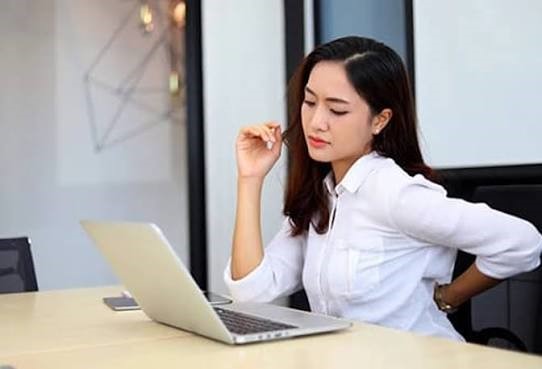
Spending long periods sitting has become a routine part of modern life. Many people spend hours at desks, behind computers, watching television, using mobile devices or travelling without taking enough opportunities to move.
While sitting itself is not necessarily harmful, prolonged sedentary behaviour—particularly when combined with insufficient physical activity—has been associated with several health risks.
Health experts therefore encourage people to reduce the amount of time they spend sitting and incorporate regular movement into their daily routines.
What Is Sedentary Behaviour?
Sedentary behaviour refers to activities performed while sitting, reclining or lying down while awake and using very little energy.

Examples include working at a desk, watching television, browsing social media, playing video games and sitting for long periods while travelling.
A person can meet recommended exercise targets and still spend too much time sitting during the rest of the day. This is why both regular physical activity and reducing prolonged sitting are important.
1. It May Affect Heart Health
Long periods of inactivity can affect cardiovascular health.
People who spend excessive amounts of time sedentary have been associated with a higher risk of cardiovascular disease and other health problems, particularly when they are physically inactive overall.
Regular movement helps support circulation and cardiovascular fitness.
2. It Can Contribute to Weight Gain
Sitting for long periods requires very little energy compared with walking or other physical activities.
When prolonged sitting is combined with excessive calorie intake and insufficient physical activity, it can contribute to weight gain and obesity.
Breaking up long periods of sitting with movement can help increase daily energy expenditure.
3. It May Increase the Risk of Type 2 Diabetes
Physical inactivity can affect how the body regulates blood glucose and uses insulin.
Regular physical activity helps muscles use glucose for energy and can support better blood sugar control.
Reducing sedentary time and incorporating movement throughout the day may therefore contribute to healthier metabolic function.
4. Back and Neck Problems Can Develop
Remaining in the same position for extended periods can contribute to discomfort and stiffness, particularly in the lower back, neck and shoulders.
Poor sitting posture and an improperly arranged workstation may make these problems worse.
Changing position regularly, adjusting the height of a chair or computer and taking movement breaks can help reduce prolonged strain.
5. Prolonged Sitting Can Affect Muscle Strength
Muscles become less active when a person remains seated for extended periods.
Over time, consistently low levels of physical activity can contribute to reduced muscle strength and physical fitness.
Regular walking, stretching and strength-building activities can help maintain muscle function.
6. It Can Affect Mental Well-Being
Physical activity is also linked to mental well-being.
Spending most of the day inactive may reduce opportunities for movement, outdoor activity and social interaction. For some people, excessive sedentary time may also occur alongside prolonged screen use and disrupted sleep patterns.
Regular physical activity can support mood, sleep and overall psychological well-being.
7. Long Periods of Sitting May Affect Circulation
Remaining seated for extended periods, especially without moving the legs, can reduce normal muscle activity that helps blood circulate through the lower body.
Long journeys and other situations involving prolonged immobility can be particularly relevant.
People should take opportunities to stand, walk and move their legs during long periods of sitting.
How Much Should You Move?
The goal should not necessarily be to eliminate sitting completely. Instead, people can aim to reduce prolonged periods of inactivity and increase overall physical activity.
Adults are generally encouraged to engage in regular moderate- or vigorous-intensity physical activity each week, alongside muscle-strengthening activities.
Even when a person has a desk-based job, simple changes can increase daily movement.
Simple Ways to Sit Less
People can incorporate more movement into their day by:
- Standing up regularly when working at a desk
- Taking short walking breaks
- Walking while making phone calls when practical
- Using stairs instead of lifts when appropriate
- Taking short walks during breaks
- Performing simple stretches throughout the day
- Limiting unnecessary screen time
- Walking short distances instead of driving when practical
- Participating in regular exercise outside working hours
These small changes can add up over the course of a day.
What About People With Desk Jobs?
Office workers may be particularly vulnerable to prolonged sitting because their jobs often require them to remain at a computer for several hours.
Employers can help by encouraging movement breaks and creating workplaces that make it easier for employees to change positions and remain active.
Workers can also set reminders to stand, stretch or walk for a few minutes at regular intervals.
The objective is not necessarily to interrupt every task, but to avoid remaining completely inactive for unnecessarily long periods.
Exercise Does Not Mean You Should Sit All Day
One important point is that exercising once a day does not necessarily cancel out every health risk associated with prolonged sedentary behaviour.
Someone who exercises for an hour but spends the remaining 10 or 12 hours sitting may still benefit from reducing the amount of time spent inactive.
Combining regular exercise with frequent movement throughout the day provides a more balanced approach to physical activity.
Conclusion
Modern lifestyles have made prolonged sitting increasingly common, but spending too much time inactive can have consequences for physical and potentially mental health.
Regular exercise, combined with frequent movement throughout the day, can help reduce the amount of time spent sedentary and support overall health.
Whether you work at a desk, study, drive for long periods or spend considerable time using digital devices, simple habits such as standing, stretching and taking short walks can make a difference.
The goal is simple: move more, sit less and avoid remaining in the same position for unnecessarily long periods.
Disclaimer: This article is for educational and informational purposes only and does not replace professional medical advice, diagnosis or treatment. Anyone experiencing persistent pain, weakness or other concerning symptoms should consult a qualified healthcare professional.




