


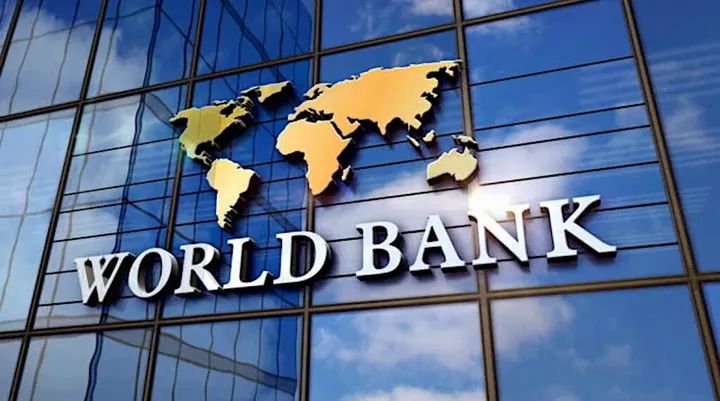
WASHINGTON, UNITED STATES — Micro, small and medium-sized enterprises (MSMEs) in developing economies face a financing shortfall exceeding $4 trillion annually, limiting their ability to expand operations, invest in technology and create employment, the World Bank Group has disclosed.
The financial institution said the funding gap represents one of the biggest obstacles to private-sector development in emerging markets, where smaller businesses account for a substantial share of economic activity but continue to struggle with access to affordable credit.
In a news release published on Tuesday, November 17, 2026, the World Bank highlighted the findings, which show that MSMEs remain significantly underserved by traditional financial institutions despite their contribution to employment and economic growth.
According to the institution, MSMEs account for approximately 90 per cent of businesses and 75 per cent of workers in developing economies. Their ability to secure financing is therefore critical to expanding productive activities, supporting entrepreneurship and creating jobs for millions of people.
The World Bank warned that the challenge could become more pressing over the next decade, as approximately 1.2 billion young people are expected to reach working age in developing countries within the next 10 to 15 years. Without sufficient investment and employment opportunities, governments could face increasing pressure to absorb a rapidly expanding labour force.
The institution said formal access to loans could significantly improve business performance. Its findings indicate that enterprises obtaining formal credit record an average 12 per cent increase in employment, while sales and profits rise by approximately 18 per cent.
The World Bank’s Vice-President for Prosperity, Pablo Saavedra, identified four major barriers preventing MSMEs from reaching their growth potential: limited visibility to financial institutions, weak connections to markets and services, regulatory complexity and persistent underfunding.
He explained that many small businesses remain financially invisible because their transactions are not adequately documented through digital systems. Without reliable financial records, lenders often struggle to assess their creditworthiness and repayment capacity.
Traditional banks also frequently demand physical assets, particularly landed property, as collateral. Many small businesses lack such assets, making it difficult for them to qualify for loans even when their operations generate sufficient cash flow.
Another challenge is the cost of processing small loans. Financial institutions often consider smaller transactions expensive to assess and administer, discouraging them from extending credit to micro and small enterprises.
The World Bank said these structural barriers contribute to high lending costs or outright rejection of loan applications, leaving many entrepreneurs unable to secure the capital needed to expand.
To address the problem, the institution launched a new MSME strategy in October 2026, built around using data, digital technology and private-sector partnerships to improve access to finance.
The strategy seeks to make small businesses more visible to lenders by encouraging digital payments, electronic invoicing and secure access to transaction records. Such information could help financial institutions assess businesses based on their actual cash flows rather than relying almost entirely on physical collateral.
The institution also plans to support fintech companies, banks and other financial intermediaries through risk-sharing arrangements, equity investments and financing facilities designed to encourage lending to smaller enterprises.
It further intends to work with governments to simplify business registration, licensing, procurement and insolvency regulations, reducing administrative barriers that prevent small firms from operating and expanding.
The World Bank said it had supported 35 countries in reducing regulatory red tape over the past three years, while helping 10 improve insolvency frameworks and seven reform procurement and competition regulations.
It also highlighted the growing role of digital financial services, noting that fintech companies and other technology-driven lenders could help reach entrepreneurs underserved by conventional banking systems.
The institution stressed that improving access to finance would require cooperation among governments, commercial banks, fintech companies, investors and development partners.
For developing economies, the financing challenge has implications beyond individual businesses. Small enterprises operate across agriculture, manufacturing, transportation, retail, healthcare and other sectors that provide livelihoods for millions of households.
In Nigeria, where micro and small businesses form a significant part of the informal and formal economy, improved access to affordable financing could support business expansion, strengthen local production and create employment opportunities.
However, achieving these benefits will require more than making loans available. Businesses also need reliable infrastructure, predictable regulations, financial literacy, access to markets and support to improve their management and accounting systems.
The World Bank maintained that closing the financing gap would require a shift from conventional lending models towards more inclusive systems that recognise the financial potential of smaller enterprises.
It said expanding access to capital would be essential to unlocking entrepreneurship, strengthening private-sector growth and creating the millions of jobs needed across developing economies.