


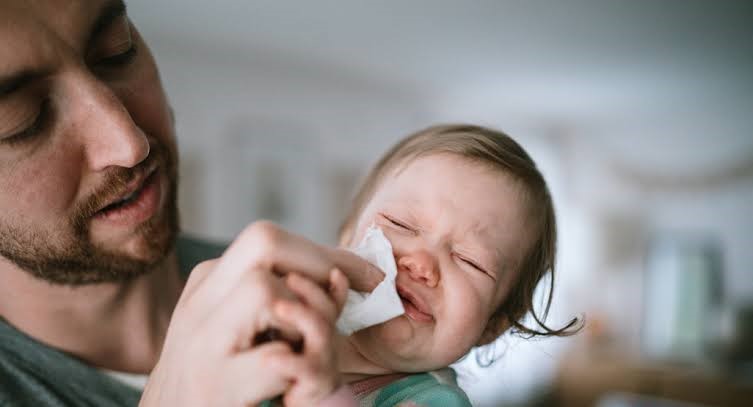
Children are more likely than adults to catch infections because their immune systems are still developing. While many childhood illnesses are mild and resolve with proper care, some require prompt medical attention to prevent serious complications.
Health experts advise parents to recognise the common signs of illness and know when to seek medical care.
1. The Common Cold
The common cold is caused by viruses and is one of the most frequent illnesses in children.
Common symptoms include:

- Runny or blocked nose.
- Sneezing.
- Mild cough.
- Sore throat.
- Low-grade fever.
Most children recover within a week or two with rest, fluids, and supportive care.
2. Influenza (Flu)
Influenza is more severe than the common cold and can cause:
- High fever.
- Body aches.
- Chills.
- Fatigue.
- Dry cough.
Some children, especially infants and those with chronic health conditions, may develop complications and require medical treatment.
3. Ear Infections
Ear infections are common in young children and often develop after a cold.
Signs include:
- Ear pain.
- Tugging or pulling at the ear.
- Fever.
- Difficulty sleeping.
- Fussiness.
A healthcare provider can determine whether treatment is needed.
4. Diarrhoea
Diarrhoea may be caused by viruses, bacteria, or contaminated food and water.
The greatest concern is dehydration, especially in infants and young children.
Parents should encourage fluid intake and seek medical advice if diarrhoea is severe or persistent.
5. Pneumonia
Pneumonia is an infection of the lungs that may be caused by viruses or bacteria.
Symptoms include:
- Persistent cough.
- Fever.
- Rapid breathing.
- Difficulty breathing.
- Chest pain.
Prompt medical evaluation is important because some children require antibiotics or hospital care.
6. Chickenpox
Chickenpox causes an itchy rash with fluid-filled blisters, fever, and tiredness.
Although many children recover without complications, vaccination remains the best way to prevent the disease and its potential complications.
7. Hand, Foot and Mouth Disease
This viral illness commonly affects young children.
Symptoms include:
- Fever.
- Painful mouth sores.
- Rash on the hands and feet.
- Reduced appetite.
Most children recover within a week with supportive care.
8. Measles
Measles is a highly contagious viral infection that can lead to serious complications such as pneumonia and brain inflammation.
Common symptoms include:
- High fever.
- Cough.
- Runny nose.
- Red eyes.
- A widespread rash.
Routine vaccination provides effective protection.
9. Asthma
Asthma is a long-term condition that affects the airways.
Children may experience:
- Wheezing.
- Persistent coughing.
- Shortness of breath.
- Chest tightness.
Proper treatment and avoiding known triggers can help control symptoms.
10. Urinary Tract Infections (UTIs)
Urinary tract infections can occur in children of all ages.
Symptoms may include:
- Pain or burning during urination.
- Frequent urination.
- Fever.
- Abdominal pain.
- Foul-smelling urine.
Young infants with unexplained fever should be evaluated promptly, as UTIs may be the underlying cause.
When Should Parents Seek Medical Care?
Parents should seek immediate medical attention if a child:
- Has difficulty breathing.
- Develops a high fever that does not improve.
- Becomes unusually sleepy or difficult to wake.
- Shows signs of dehydration, such as dry mouth, no tears when crying, or reduced urination.
- Has repeated seizures.
- Refuses to drink fluids for several hours.
- Develops a rash with severe illness.
How to Help Prevent Childhood Illnesses
Parents can reduce the risk of illness by:
- Keeping vaccinations up to date.
- Encouraging regular handwashing.
- Providing a balanced diet.
- Promoting adequate sleep.
- Avoiding exposure to tobacco smoke.
- Teaching children good hygiene practices.
The Bottom Line
Many childhood illnesses are mild and can be managed with appropriate care, but some require prompt medical attention. Recognising warning signs, keeping vaccinations current, and maintaining healthy habits can help protect children from serious illness and support their overall well-being.
Disclaimer: This article is for informational purposes only and should not replace professional medical advice. Parents who are concerned about a child’s symptoms should consult a qualified healthcare professional for proper evaluation and treatment.




