


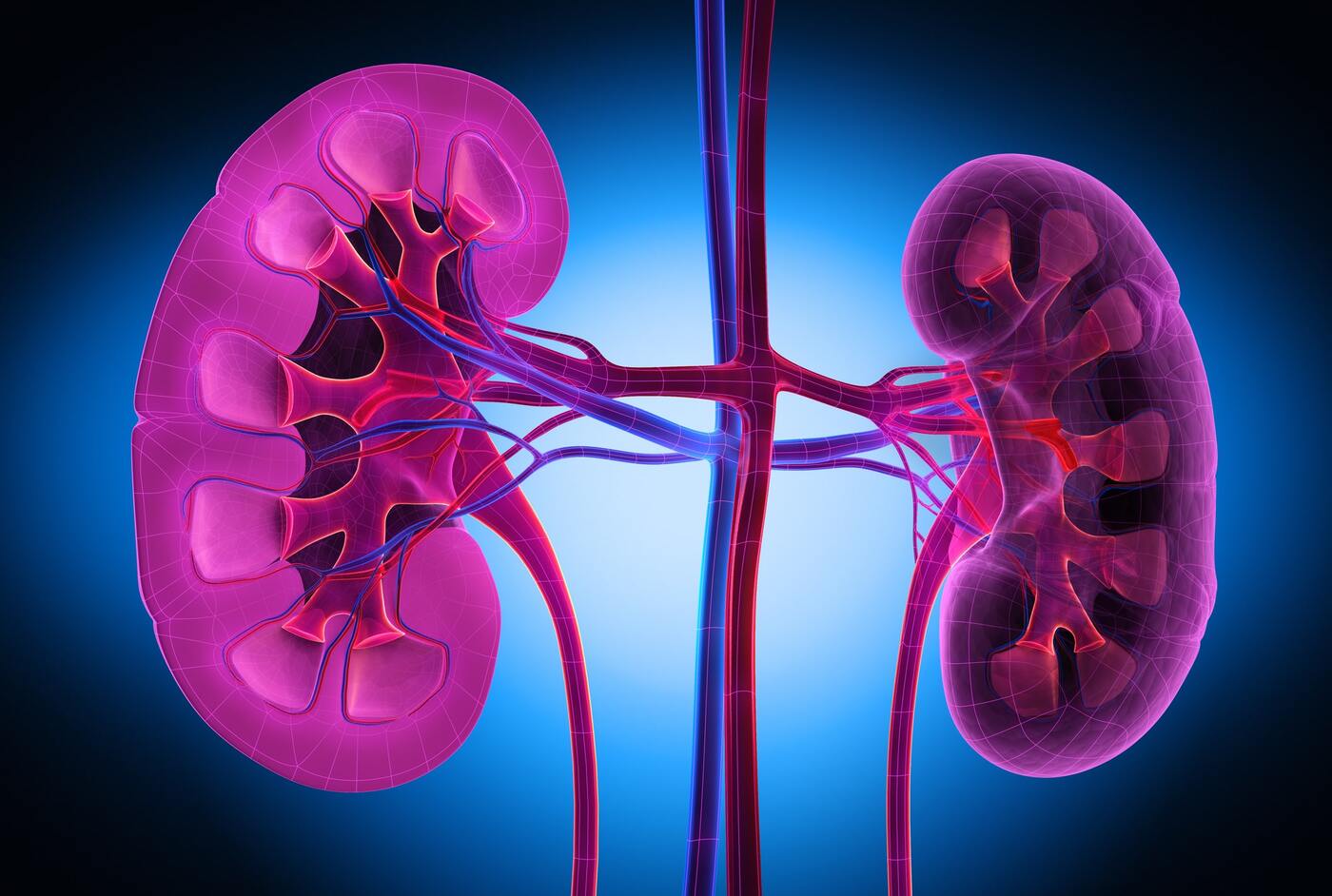
Kidney disease is often referred to by health experts as a “silent condition” because it can develop slowly without obvious symptoms in its early stages. According to the World Health Organization, millions of people around the world are living with kidney problems without realizing it until the disease has already advanced.
The kidneys play a vital role in filtering waste and excess fluid from the blood, regulating blood pressure, balancing body chemicals, and supporting overall health. When these organs begin to lose their function, the body may start sending warning signals. Unfortunately, many people overlook these signs or mistake them for minor health issues.
Here are 10 early signs of kidney disease that should never be ignored.
1. Persistent Fatigue and Weakness
When the kidneys are not functioning properly, toxins can build up in the blood. This can lead to constant tiredness, weakness, and difficulty concentrating. Many people with early kidney disease report feeling unusually exhausted even after resting.
2. Changes in Urination
Since the kidneys are responsible for producing urine, one of the first noticeable signs of kidney trouble is a change in urination patterns. This may include urinating more frequently, especially at night, or noticing darker or foamy urine.
3. Swelling in the Feet, Ankles, or Hands
Kidneys help remove excess fluid from the body. When they fail to do so effectively, fluid can accumulate in different parts of the body, leading to swelling in the legs, ankles, feet, or hands.
4. Puffiness Around the Eyes
Persistent puffiness or swelling around the eyes may be a sign that the kidneys are leaking protein into the urine. This can indicate early kidney damage that requires medical attention.
5. Loss of Appetite
A sudden decrease in appetite can occur when waste products accumulate in the bloodstream. This buildup can cause nausea and make food less appealing.
6. Muscle Cramps
Kidney problems can cause an imbalance in essential minerals such as calcium and potassium. This imbalance may lead to frequent muscle cramps, particularly in the legs.
7. Dry and Itchy Skin
Healthy kidneys help maintain the right balance of minerals and nutrients in the body. When kidney function declines, the skin may become dry, irritated, and itchy due to toxin buildup.
8. Difficulty Sleeping
People with kidney disease often experience sleep disturbances. Toxins remaining in the bloodstream rather than leaving through urine can make it harder to rest comfortably at night.
9. Trouble Concentrating
Poor kidney function can reduce the amount of oxygen reaching the brain. As a result, some individuals may experience difficulty concentrating, memory problems, or mental fog.
10. High Blood Pressure
High blood pressure is both a cause and a warning sign of kidney disease. According to the National Kidney Foundation, uncontrolled blood pressure can damage blood vessels in the kidneys, reducing their ability to function properly.
When to Seek Medical Advice
Health experts advise that anyone experiencing several of these symptoms should consult a medical professional. Early detection through blood and urine tests can help identify kidney problems before they become severe.
Protecting Your Kidney Health
Doctors recommend simple lifestyle habits to support kidney function. These include drinking enough water, maintaining a balanced diet, controlling blood pressure and blood sugar levels, exercising regularly, and avoiding excessive use of pain medications.
Kidney disease can progress silently, but recognizing the early warning signs may help individuals seek treatment in time. Medical professionals stress that early diagnosis remains one of the most effective ways to prevent serious complications and protect long term health.

