
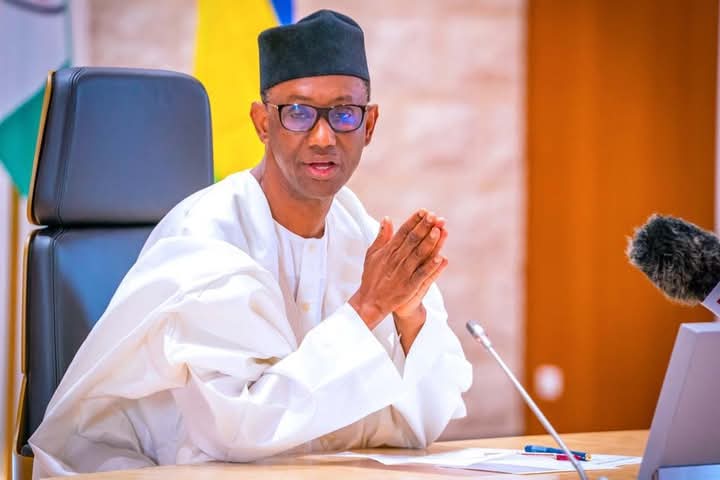
Abuja, Nigeria — Nuhu Ribadu, the National Security Adviser (NSA), announced that at least 150 million Nigerians have been affected by the ongoing insecurity crisis.
He emphasized the extent of the crisis during a Memorandum of Understanding signing ceremony, highlighting its widespread impact. The ceremony was between the National Counter Terrorism Centre and the International Institute of Tropical Agriculture in Abuja, where Ribadu made this critical disclosure.
This agreement aims to promote agribusiness and empower local communities to rebuild their livelihoods affected by terrorism and extremism. Moreover, it seeks to foster sustainable development in regions hardest hit by violence and instability.
Ribadu emphasized the severe impact of insecurity on various sectors, especially agriculture, which sustains Nigeria’s economy and sustains most citizens. Consequently, the devastation has led to falling productivity, disrupted supply chains, and heightened poverty among vulnerable populations.
“Insecurity is the biggest problem we face across all sectors,” Ribadu explained. “However, the most affected sector remains agriculture, the backbone of Nigeria’s economy and citizens’ livelihoods.”

“Nigerians are predominantly farmers. It is either you are a farmer or from a family of farmers. In one way or another, insecurity has affected us all, turning our lives upside down. We must come together to restore our people’s lives and livelihoods.”
He further emphasized the scale of the crisis, noting that between 120 to 150 million Nigerians have been directly or indirectly affected by insecurity. He described the situation as unparalleled globally, given Nigeria’s large population and the widespread impact of the crisis.
Ribadu called for a comprehensive, society-wide approach to address the root causes of insecurity, including poverty, lack of opportunities, and social exclusion. He warned that the ongoing security challenges pose a significant threat to national stability, citing the collapse of neighboring countries in the Sahel region due to insurgencies as a cautionary example.
“We are the only ones still standing strong in the Sahel, thanks to the efforts of our security forces. Ribadu stated, “But we are in difficulty,” highlighting the challenges faced. He emphasized that, therefore, it is essential to complement military operations with non-kinetic solutions. These solutions should focus on promoting sustainable peace and development, ensuring long-term stability.
The Minister of Livestock Development, Idi Muktar Maiha, also spoke at the event, advocating for a paradigm shift from military responses to agricultural development in rural areas. He urged the government to prioritize agricultural tools and infrastructure over military equipment in these communities.
“We need to replace armored tanks with tractors and machine guns with milking machines,” Maiha stated. “Once people are productively engaged, they will not be available for recruitment into violent activities, no matter the enticement. This is what we are striving for—a Nigeria where rural areas symbolize hope and productivity.”
The MoU between the National Counter Terrorism Centre and the International Institute of Tropical Agriculture aims to revitalize agriculture.
Furthermore, it intends to empower communities by providing sustainable farming techniques and boosting local economies.
Additionally, this partnership works to promote stability through improved agricultural resilience and stronger community engagement efforts. Both officials, therefore, expressed optimism that these initiatives could contribute significantly to long-term development and peace across the nation. Consequently, they believe such partnerships will strengthen resilience in vulnerable areas and foster sustainable growth.
As Nigeria faces ongoing security challenges, stakeholders emphasize the critical need for collaborative efforts to restore peace effectively. In addition, they highlight that improved security will help millions of affected citizens regain livelihoods and stability. Ultimately, these collective actions are essential to overcoming insecurity and creating a more secure, prosperous future for Nigeria.