



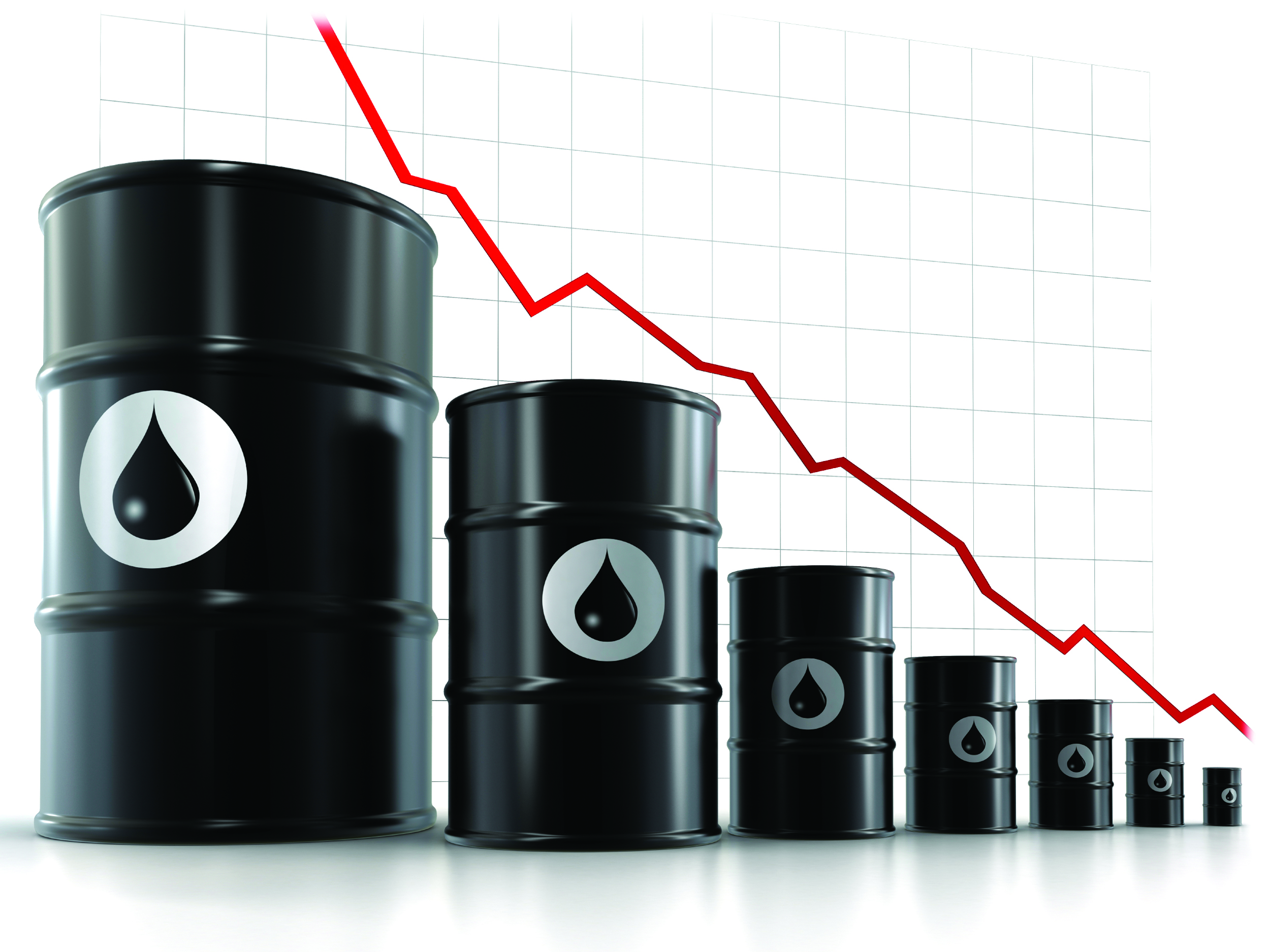
Oil prices hit their lowest in over 11 years on Wednesday, as the row between Saudi Arabia and Iran was seen making any cooperation between major exporters to cut output even more unlikely, and after a sharp rise in U.S. gasoline inventories.
The Benchmark Brent crude futures were at $34.26 a barrel — down 5.93 percent — and at their lowest since early June 2004, having staged their largest one-day drop in percentage terms in nearly five weeks.
Oil is Nigeria’s major foreign exchange earner and Nigeria had predicated the 2016 budget on oil price of $38 a barrel.
Oil has slumped from above $115 in June 2014 as shale oil from the United States has flooded the market, while falling prices have prompted some producers to pump even harder to compensate for lower revenues and to keep market share.
Adding to this oversupply, Iranian oil exports are widely expected to increase in 2016 as Western sanctions against Tehran for its alleged nuclear weapons program are likely to be lifted.
International Monetary Fund managing director Christine Lagarde is currently meeting Nigeria officials as the country seeks to spend its way out of an economic crisis fuelled by plunging oil prices. Reduced income from oil is forcing Nigeria’s president to borrow 2 trillion Naira to fund a 6 Trillion Naira budget.
Chritie Lagarde yesterday told journalists in Abuja that IMF “economists arrives Nigeria next week to review and audit the Budget and assess if the debt is sustainable. Our team will assess whether the borrowing costs are sensible and what strategy must be put in place for Nigeria.”
A report by Fred Imbert for CNBC states that U.S. crude futures settled down $2, or 5.56 percent, at $33.97 a barrel — its worst settle since Dec. 19, 2008 — after already slipping 79 cents the previous day.
Oil prices could break below $20 this year as tensions rise between Iran and Saudi Arabia, two of the world’s largest oil players, Again Capital founding partner John Kilduff said Monday.
“I think you’re going to get as low as $18 and maybe get as high as $48. … It’s going to get really ugly,” he told CNBC’s “Squawk Box.” “The Iranians doubled down again, if that’s even possible, by saying that they could put 500,000 more barrels on the market within weeks after the sanctions get lifted.”
Kilduff was referring to the anticipated lifting of sanctions related to Iran’s nuclear program, which have locked the country out of international oil markets.
Last week, the U.S. added 10.1 million barrels of gasoline, the Energy Information Administration said. It added 900,000 the week before. However, U.S. crude inventories dropped by 5.1 million barrels last week.
“It’s the biggest increase in gasoline supply since 1993,” said John Kilduff, founding partner at Again Capital. “Gasoline prices are going to collapse”
Also, evidence of slowing economic growth in China and India has fueled fears that even strong demand elsewhere may not be enough to mop up the excess crude that has resulted from near-record production over the last year.
The furor over Saudi Arabia’s execution of a Shi’ite cleric has stripped nearly 8 percent off the price of oil in the last three trading days alone and has killed speculation that OPEC members might agree on production cuts to lift prices.
“There are rising stockpiles and the tension between Iran and Saudi Arabia make any deal on production unlikely,” said Michael Hewson, head of strategy at CMC Markets.
“Shale production and increasing capacity from countries like Russia who need to protect revenue combined with expectations of further Iranian supply mean actual production as well as expectations of future production are rising,” Hewson said.
Still, a senior Iranian oil official said the country could moderate oil export increases once the sanctions are lifted to avoid putting prices under further pressure.
The world is currently oversupplied with 500,000 to 2 million barrels per day of oil. The glut could reach 3 million if Iran lives up to its vow to ratchet up exports to 1 million bpd as soon as possible.
In the United States, concerns over mounting oil stock levels persisted, with crude inventories likely to have risen by 439,000 barrels last week, according to a Reuters poll of eight analysts.
www.elombah.com

