


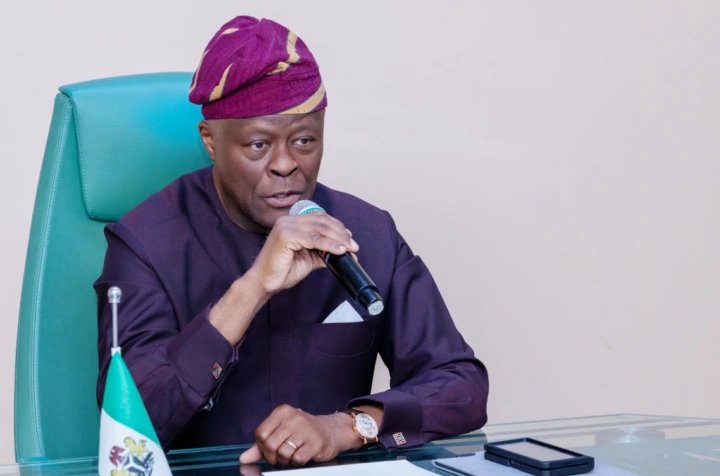
(DDM) – Nigeria’s 36 states have recorded a combined budget surplus of ₦7.1 trillion in the first half of 2025, equal to 3.1% of GDP.
This marks a sharp rise from 1.8% of GDP, or ₦2.8 trillion, just two years ago, underscoring the impact of sweeping federal economic reforms and repayment of longstanding arrears owed to subnational governments.
Finance Minister Wale Edun said the surpluses are enabling states to ramp up capital spending, a development that could reshape infrastructure delivery and inclusive growth nationwide.
He credited the gains to President Bola Tinubu’s economic strategy, which focuses on empowering state governments through rule-based revenue sharing, better resource allocation, and stronger governance structures.

According to Edun, one major driver of the improved fiscal position was the removal of fuel subsidies, which previously consumed up to 5% of GDP annually.
Savings from this reform have been redirected into the Federation Account, boosting allocations to states while enabling the settlement of historic debts owed to them.
“Funds that were due but hadn’t been paid to them have, under the law, now been made available to the states,” Edun said, stressing that this has contributed to the record surpluses.
The minister noted that a significant portion of the funds is being invested in capital projects such as infrastructure, health, and education, reversing the long-standing dominance of recurrent spending in state budgets.
He said these investments align with the administration’s broader goal of bottom-up economic growth, where subnational governments drive local development and job creation.
The fiscal turnaround also coincides with Nigeria’s most ambitious tax reform in decades.
The government aims to increase the tax-to-GDP ratio, digitise revenue collection, and deploy artificial intelligence tools to reduce inefficiencies.
Edun warned that with declining foreign aid and rising debt servicing costs, developing countries like Nigeria must rely on internal reforms and resource optimisation to fund development.
“We must remove subsidies that are untargeted and inefficient,” he said. “We must increase our own internal revenue, and that is exactly what is being done.”
The federal government is also prioritising savings from Federation Account inflows and strengthening oversight of public spending to prevent waste.
Efforts are underway to cut excessive allocations to some government institutions while building fiscal buffers against future shocks.
Despite the reforms, Edun assured that direct support for vulnerable Nigerians remains in place.
He revealed that around 8 million citizens have already received digital cash transfers, part of a programme targeting 15 million beneficiaries using biometric and digital payment systems.




