


India’s parliament has passed a landmark bill outlawing online gambling, citing growing concerns over financial losses, addiction, and suicides linked to the industry.
The legislation, approved late Thursday, August 21, by both houses, criminalises the offering, promotion, and financing of online gambling platforms, with violators facing up to five years in prison.
It covers card games, poker, and fantasy sports including India’s hugely popular fantasy cricket apps.
Government figures revealed that gambling companies had extracted an estimated $2.3 billion annually from more than 450 million Indians. Officials said nearly one in three citizens had lost money on gambling apps.

The ban casts uncertainty over Indian cricket’s biggest sponsorship deal. Fantasy sports giant Dream11, named in July 2023 as the lead sponsor of the national team, has its logo splashed across Team India’s jerseys.
While no announcement has yet been made by the Board of Control for Cricket in India (BCCI), its secretary Devajit Saikia said the board would comply with the law.
“If it’s not permissible, we’ll not do anything,” Saikia said on Friday. “The BCCI will follow every policy framed by the central government.”
Dream11 has since suspended cash contests, telling users on its website: “Following the passing of the bill, cash games and contests have been discontinued. Stay tuned.”
‘Predatory Platforms’
The government defended the move as necessary to protect vulnerable citizens from what it called “predatory gaming platforms.”
“This legislation is designed to curb addiction, financial ruin and social distress caused by misleading promises of quick wealth,” a statement read.
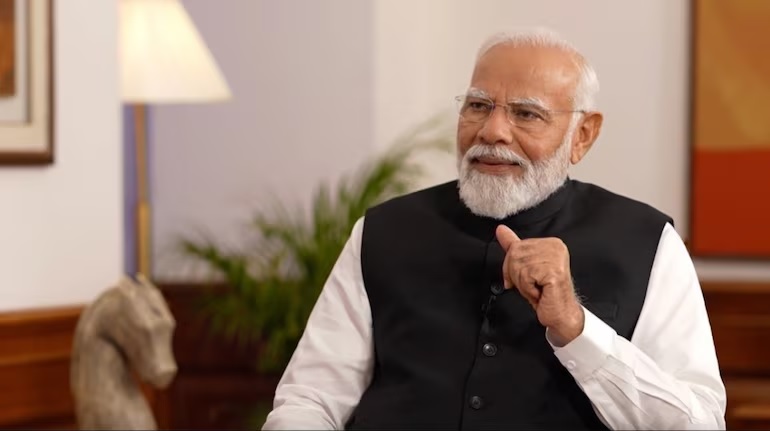
Prime Minister Narendra Modi added that the new law would encourage safe digital gaming while shielding society from the harmful effects of gambling.
“It will encourage e-sports and online social games,” Modi said, “while saving our society from the dangers of online money games.”
The sweeping ban does not cover e-sports or educational games, which the government said it would continue to promote as part of India’s growing digital economy.
Technology Minister Ashwini Vaishnaw explained that the bill draws a clear line between competitive online gaming and gambling.
“It separates constructive digital recreation from betting and fantasy money games that exploit users with false promises of profit,” he said.
Gaming industry groups had lobbied for regulation and taxation instead of an outright ban, warning the decision could push millions of players toward illegal offshore platforms.
But lawmakers insisted the social costs were too severe to ignore.
Beyond addiction and financial ruin, officials said gambling apps had been linked to fraud, money laundering, and even terrorism financing.
The bill, titled the Promotion and Regulation of Online Gaming Bill, now awaits presidential assent before taking effect.
Once signed into law, it is expected to transform India’s vast online gaming landscape, placing heavy restrictions on one of the world’s largest digital markets while reshaping its $1.5 billion fantasy sports industry.




