



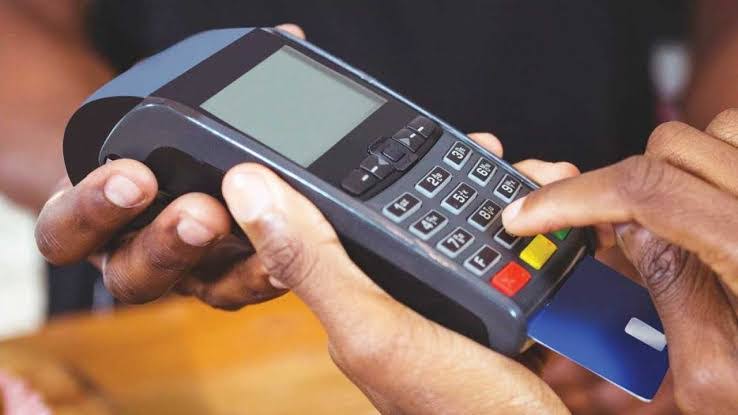
The Central Bank of Nigeria (CBN) has mandated that all Point of Sale (PoS) terminals across the country be geo-tagged within the next 60 days, as part of sweeping reforms aimed at curbing fraud and tightening oversight of digital financial transactions.
The directive, contained in a circular dated August 26, 2025, requires every PoS device in operation to be traceable to its registered location, with non-compliant terminals to be deactivated after October 20, 2025.
The apex bank said the move forms part of a broader strategy to:
Modernise Nigeria’s payment system.

Enhance consumer protection.
Ensure transactions are secure and fully traceable.
“This initiative is designed to ensure that all PoS terminals are traceable and that transactions are secure. Terminals operating outside their registered location will be flagged, and non-compliant devices will be deactivated,” the CBN stated.
According to the bank, geo-tagging will also eliminate the use of “ghost” or cloned devices and provide regulators with real-time monitoring capabilities.
Technical Requirements
Under the new rules:
Newly deployed PoS terminals must be equipped with built-in geolocation features and dual-frequency GPS receivers for accurate tracking.
Each transaction must capture and transmit the device’s exact location.
Any activity occurring beyond a 10-meter radius of the registered merchant’s address will be automatically flagged.
Licensed operators, including commercial banks and leading fintech companies such as Moniepoint, OPay, and PalmPay, are expected to register each terminal with approved payment aggregators and provide precise merchant coordinates.
Failure to comply with the directive will result in affected PoS devices being removed from Nigeria’s payment ecosystem.
The directive comes at a time when digital payment adoption in Nigeria has surged, with millions relying on PoS agents for daily transactions.
However, the sector has been plagued by fraud, cloned terminals, and untraceable devices challenges the CBN believes geo-tagging will directly address.
Financial analysts say the move will likely increase compliance costs for operators in the short term but could boost consumer trust and reduce transaction risks in the long run.




