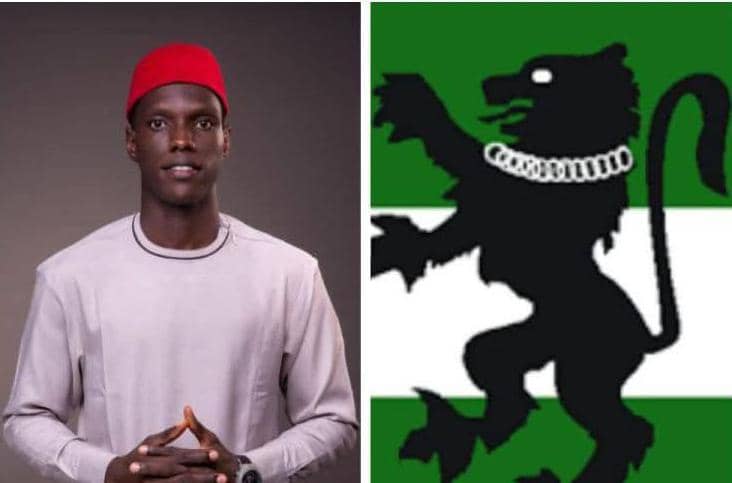
(DDM) – Confusion has engulfed the University of Nigeria, Nsukka (UNN), following the circulation of a viral memo claiming that the Student Union Government (SUG) President, Comrade Ozoagu Chinedu Godswill, and several union executives had been suspended over cultism, financial corruption, and alleged links to violence.
Diaspora Digital Media (DDM) gathered that the memo, widely shared across social media and student forums, alleged that the SUG House of Representatives passed a resolution suspending the president alongside his deputy and other officials.
The purported document accused the student leader of harboring cultists, intimidating colleagues, and mismanaging over ₦124 million meant for student projects.
It further claimed that funds were withdrawn, shared among external actors, and that no project had been executed.
However, UNN authorities and multiple student leaders have now dismissed the memo as fake.
University insiders told DDM that no official suspension had been issued against the SUG executives, and that the so-called resolution did not originate from the legitimate House of Representatives.
A senior official, who asked not to be named, described the viral report as the work of “mischief-makers bent on destabilizing the union and tarnishing reputations.”
SUG representatives also released a counter-statement assuring students that their leadership remains intact and warning against the spread of falsehoods that could incite unrest on campus.
Observers note that the fake memo appeared highly detailed, citing names of union officers, alleged financial figures, and even constitutional provisions.
This level of sophistication, some students argued, made the document initially believable.
But fact-checkers within the university community pointed out inconsistencies in the formatting, language, and official seals used in the document. These discrepancies, according to them, gave away its illegitimacy.
The incident has reignited conversations about the dangers of fake news, especially in academic environments where tensions between student leaders and management often run high.
Analysts say that disinformation of this nature can easily erode trust, create unnecessary panic, and damage the reputations of individuals without due process.
For UNN, the episode adds to growing concerns about information integrity in an era where digitally manipulated documents can spread quickly before verification.
Meanwhile, the SUG leadership has called for calm and encouraged students to verify news from official communication channels rather than relying on viral messages.
The union urged the university management to investigate the source of the forged memo and ensure that those behind it face disciplinary or legal action.
Stakeholders say the controversy underscores the urgent need for universities to strengthen their official communication systems and provide students with timely updates to prevent misinformation from filling the gaps.
With the memo now discredited, the UNN community awaits the outcome of investigations to determine whether the forgery was politically motivated or an act of sabotage within student politics.