


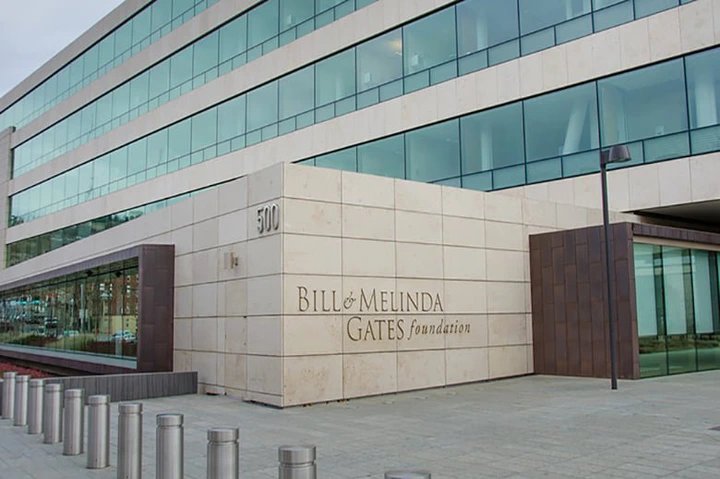
(DDM) — The Bill and Melinda Gates Foundation has invested $27 million in Nigeria’s Primary Health Care Challenge Fund over the past four years, with the majority of funding directed toward performance-based awards to drive state-level reforms and improve service delivery, the foundation announced during an event in Abuja on Friday, December 12, 2025.
Speaking on behalf of the foundation, Dr. Nkata Chuku, Deputy Director for Health Systems Strengthening, explained that about 70 per cent of the investment was dedicated to performance awards, designed as a proof-of-concept to incentivize states to prioritize, sustainably finance, and reform primary health care.
The initiative follows commitments made by Nigerian governors under the 2019 Seattle Declaration, which aimed to revitalize primary health care through stronger political leadership, improved financing, and accountability mechanisms.
“The Gates Foundation has invested $27 million, with 70% dedicated to performance awards over the past four years to fund this initiative as proof of concept,” Dr. Chuku stated.

“The award structure, including one national winner and additional awards for runners-up across all six geopolitical zones, reflects a commitment to peer accountability and healthy competition.”
According to Chuku, recent national surveys, high-frequency monitoring, and administrative data indicate progress in several health indicators since the fund’s introduction.
Routine immunization coverage has steadily increased, with national Penta3 coverage now in the high 60 per cent range and several states surpassing 75 per cent, compared to low 60s in 2022.
Between July 2024 and October 2025, over 500,000 previously zero-dose children were reached through house-to-house vaccination and integrated immunization campaigns, representing approximately 24 per cent of the estimated 2.1 million zero-dose children nationwide.
The October 2025 polio, routine immunization drive was highlighted as a significant contributor to reaching these children, reflecting the impact of integrated outreach activities.
Skilled birth attendance and antenatal care (ANC4) coverage also showed improvements, with ANC4 now above 50 per cent, supported by expanded midwifery programs and strengthened maternal health services.
Despite these achievements, Dr. Chuku warned that challenges persist, including insecurity in parts of the North-East and North-West, clusters of zero-dose children, seasonal nutrition and malaria pressures, and gaps in data completeness and timeliness.
The PHC Challenge Fund’s performance-based approach has been praised for fostering competition among states, encouraging innovation, and creating measurable results in primary health care delivery.
Dr. Chuku emphasized that sustained political commitment, resource allocation, and monitoring will be critical to addressing remaining gaps and ensuring the long-term success of Nigeria’s primary health care system.
The Gates Foundation’s multi-million-dollar investment demonstrates international commitment to strengthening Nigeria’s health sector and improving outcomes for millions of children and mothers across the country.




