


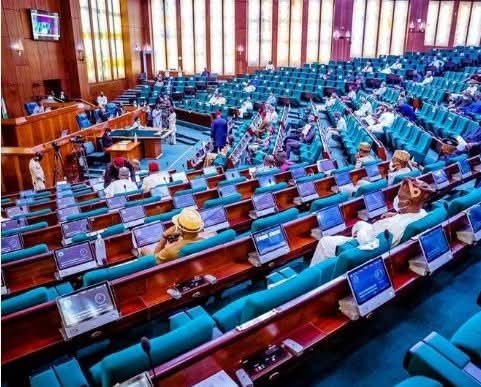
(DDM) – The House of Representatives has issued a formal directive to the Central Bank of Nigeria (CBN) to reconcile N5.2 trillion in unremitted operating surplus, raising serious questions about fiscal accountability and transparency in the country.
The instruction was issued on December 16, 2025, at the National Assembly in Abuja, during a plenary session attended by key members of the House Committee on Finance.
Lawmakers expressed concern over the delay in remittance of the funds, emphasizing that the unaccounted surplus could undermine public confidence in financial institutions and government management of national resources.
The CBN has been ordered to submit a detailed report on the unremitted surplus, outlining the sources of the funds, the amounts already remitted, and any discrepancies identified.

DDM gathered that the directive reflects growing tensions between the legislative arm and the apex bank, as the House seeks to exercise stronger oversight over the management of public finances.
Nigeria’s operating surplus refers to the excess funds generated by the CBN through its activities, including earnings from foreign exchange operations, investment incomes, and other financial instruments. Historically, portions of these surpluses are supposed to be remitted to the Federation Account to support national budgets and public expenditure.
The current situation has reignited debates over central bank transparency, with critics arguing that delays in remittance compromise the government’s ability to plan and execute critical development projects.
Lawmakers warned that failure to reconcile the N5.2 trillion surplus promptly could lead to further scrutiny of CBN operations and potential legislative sanctions.
The House Committee on Finance is expected to analyze the report meticulously once submitted, examining whether the shortfall resulted from operational challenges, mismanagement, or other irregularities.
This directive comes amid broader concerns about fiscal discipline in Nigeria, including rising debt obligations, budget shortfalls, and delayed funding of critical infrastructure projects across the country.
Experts have noted that reconciling such a substantial sum is crucial not only for budgetary transparency but also for maintaining investor confidence and strengthening the credibility of Nigeria’s financial system.
Public opinion has been divided, with some citizens praising the House for exercising its oversight responsibilities, while others caution that political tensions between the legislature and the CBN could disrupt monetary policy implementation.
The outcome of this reconciliation exercise is expected to have far-reaching implications for Nigeria’s economic planning, the upcoming 2026 budget, and the management of public funds in subsequent fiscal years.
Lawmakers concluded that immediate action and full disclosure from the CBN are necessary to safeguard public resources, prevent financial leakages, and uphold the principles of accountability and good governance.




