


The Kwara State Government has approved a 27.5 per cent special allowance for teachers across public primary and secondary schools in the state, marking a significant policy shift aimed at improving welfare, motivation, and professionalism within the education sector.
The approval, which takes effect from January 2026, applies specifically to teachers who are certified by the Teachers Registration Council of Nigeria (TRCN), reinforcing the state’s emphasis on professional standards in the classroom.
The decision follows sustained agitation and negotiations by the Nigeria Union of Teachers (NUT), Kwara State Wing, which has for months pressed the government to address what it described as growing welfare concerns among educators amid rising living costs.
According to government sources, the allowance is designed to reward qualified teachers, encourage professional certification, and reduce attrition in the public education system.

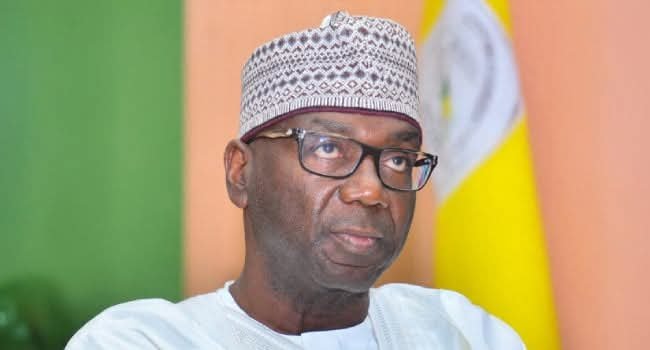
State officials said the move reflects Governor AbdulRahman AbdulRazaq’s broader commitment to repositioning education as a foundation for long-term development in Kwara State.
They explained that improving teacher welfare remains central to enhancing learning outcomes, student performance, and public confidence in government-owned schools.
Teachers across the state have welcomed the announcement, describing it as a morale booster after years of agitation over stagnant earnings and increasing workload.
Union leaders said the approval demonstrates that dialogue and structured engagement can yield results when government shows willingness to listen.
Diaspora Digital Media (DDM) gathered that the allowance will be calculated as a percentage of basic salary and paid monthly, subject to verification of TRCN certification status.
Education officials disclosed that the Ministry of Education, in collaboration with the Ministry of Finance, has been directed to complete implementation frameworks ahead of the January 2026 commencement date.
They added that teachers without TRCN certification are being encouraged to regularise their status to benefit from the new policy.
The development comes against the backdrop of nationwide concerns over teacher welfare, declining interest in the profession, and the impact of poor remuneration on education quality.
Across Nigeria, teacher unions have repeatedly warned that without improved incentives, experienced educators will continue to exit the public system for private schools or other sectors.
In recent years, several states have introduced targeted allowances, promotions, and salary adjustments in response to similar pressures.
Kwara State itself has embarked on education reforms that include school infrastructure upgrades, teacher recruitment, digital learning initiatives, and curriculum support programmes.
Analysts say the 27.5 per cent allowance approval signals a shift toward performance- and qualification-based incentives in the public service.
They argue that linking benefits to professional certification could strengthen accountability and raise teaching standards.
However, some education stakeholders have cautioned that allowances alone may not resolve deeper challenges such as classroom overcrowding, teaching materials shortages, and rural school staffing gaps.
They urged the government to complement welfare improvements with sustained investment in school facilities and teacher training.
Parents and civil society groups have also welcomed the decision, expressing hope that motivated teachers will translate into better student outcomes.
Education advocates noted that teacher welfare is directly linked to classroom effectiveness, discipline, and innovation.
The Kwara State Government has reiterated that education remains a top priority, pledging continued engagement with unions and stakeholders to address emerging issues.
DDM reports that implementation progress will be closely monitored by both government agencies and labour unions as January 2026 approaches, with expectations that the policy will set a precedent for other states grappling with similar demands.
For many teachers in Kwara, the approval represents not just a financial gain, but long-awaited recognition of their role in shaping the state’s future.




