


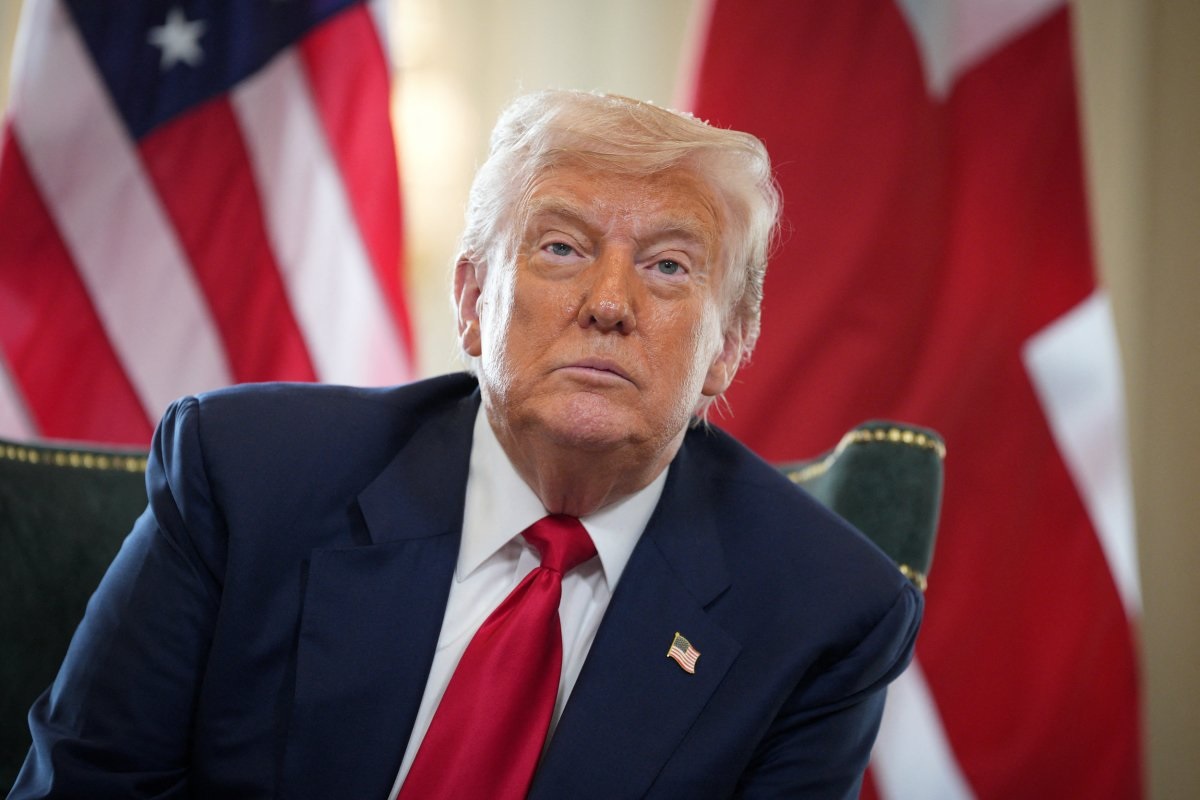
The United States has dismissed reports claiming that its Ambassador to Nigeria has been recalled following recent diplomatic exchanges between Washington and Nigeria, insisting that any change in ambassadorial postings is part of normal administrative procedure and not a sign of bilateral tension.
A senior U.S. State Department official in Washington, DC, clarified the situation on Tuesday night in response to enquiries from Vanguard.
According to the official, ambassadorial changes are routine under any administration and should not be interpreted as punitive or politically motivated.
“Any change in ambassador is a standard process in any administration. An ambassador is a personal representative of the President,” the official said.

The clarification comes amid speculation that the ambassador’s recall was linked to recent diplomatic discussions between the two countries, particularly following comments by U.S. President Donald Trump on security and religious freedom in Nigeria.
Addressing President Trump’s concerns about alleged religious violence, the State Department official acknowledged Nigeria’s ongoing efforts and stressed the expectation of continued improvement.
“The Government of Nigeria has undertaken reforms to prioritize the protection of Christian populations from extremist violence, and we expect Nigeria to continue making measurable progress in combating religiously motivated violence against Christian communities,” the official stated.
Reports of a possible recall had gained traction after heightened diplomatic engagement between both countries over security cooperation and religious freedom concerns.
However, the U.S. response suggests that such reports were speculative and not grounded in official policy decisions.
Earlier, the Federal Government of Nigeria had also played down the issue, stating that any diplomatic disagreement arising from President Trump’s remarks had been largely resolved through ongoing dialogue.
The latest response from Washington indicates that U.S.–Nigeria relations remain active and functional, with continued engagement focused on security reforms, counter-extremism efforts, and the protection of vulnerable communities.




