


The UK government has made a landmark decision in its fight against childhood obesity by banning advertisements for foods high in fat, sugar, and salt (HFSS) on television before 9 p.m. and on all online platforms.
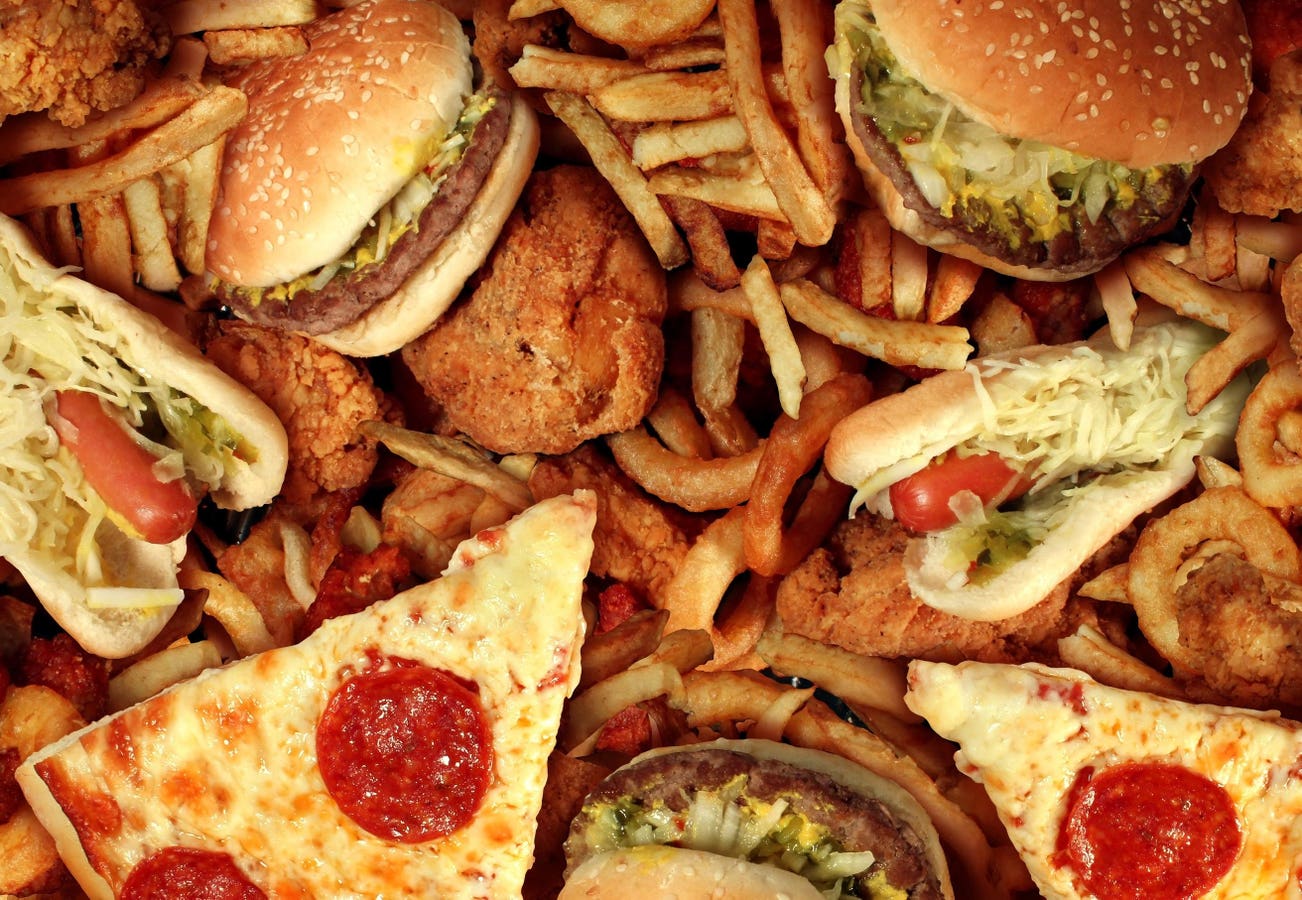
The ban targets products that are widely recognized as major contributors to obesity in children soft drinks, chocolates, sweets, pizzas, ice creams, and even certain processed breakfast cereals and sweetened bread.
While this policy is being implemented in the UK, it should serve as a wake-up call for Nigeria, where the availability and consumption of junk food have reached alarming levels.
In Nigeria, highly processed snacks, fried fast foods, sugary drinks, and instant noodles dominate the diets of many children and young adults.

From roadside kiosks to supermarkets, these products are marketed aggressively, often with colorful packaging, cartoon characters, and persuasive advertising campaigns that appeal to children.
Television, social media platforms, and YouTube are flooded with these promotions, many of which go unchecked.
The result is a generation of young Nigerians growing up accustomed to diets high in sugar, sodium, and unhealthy fats.
The health implications are already visible. Obesity, diabetes, hypertension, and cardiovascular diseases are no longer “adult problems” in Nigeria they are appearing with increasing frequency among teenagers and young adults.
According to the Nigerian Ministry of Health, non-communicable diseases now account for a growing proportion of hospital admissions, a trend that threatens to overwhelm our already fragile healthcare system if unchecked.
The UK’s ban highlights a crucial point: the influence of advertising on dietary choices is enormous, particularly for children.
Studies have shown that exposure to marketing for unhealthy foods increases children’s preference for, and consumption of, these products.
By restricting such advertising, the UK government is not only protecting the health of its young population but also sending a clear message to food manufacturers: if your products harm public health, your marketing strategies will be limited.
Nigeria must take note. Our regulatory bodies, including the National Agency for Food and Drug Administration and Control (NAFDAC) and the Advertising Practitioners Council of Nigeria (APCON), need to implement stricter regulations on the advertisement and promotion of unhealthy foods.
Schools should also be monitored to ensure that students are not routinely exposed to sugary and processed snacks.
Public awareness campaigns should educate parents and children on healthy alternatives and the dangers of excessive sugar, sodium, and fat consumption.
There is also a responsibility on the food and beverage industry.
Manufacturers must invest in healthier options, reduce sugar and salt content, and develop products that align with national nutrition guidelines.
If left unchecked, the aggressive marketing of junk foods will continue to shape unhealthy lifestyles and lead to increased healthcare costs, reduced productivity, and a lower quality of life for future generations.
The UK’s approach demonstrates that government policy can make a difference. In Nigeria, action is overdue.
Protecting the health of children should not be left solely to families public policy, regulation, and corporate responsibility must work together.
The rise of obesity and diet-related diseases in our country is not inevitable.
With proactive measures, including advertising restrictions, educational campaigns, and healthier product offerings, Nigeria can chart a path toward a healthier future.
In conclusion, the UK’s ban on junk food advertising is more than a policy decision it is a clear statement about prioritizing public health over profit.
For Nigeria, this should serve as both a warning and an inspiration.
Our children deserve a future where healthy eating is accessible, affordable, and the norm, not the exception. It is time for government, industry, and society to act decisively. The health of our nation depends on it




