(DDM) – Gallstones are drawing growing attention among digestive health experts worldwide.
Doctors say many people overlook early warning signs.
The gallbladder is a small organ beneath the liver.

It stores bile that helps digest fats.
Most people rarely think about this organ.

Problems arise when hardened deposits form inside it.
These deposits are known as gallstones.
Gallstones develop when bile chemistry becomes unbalanced.
Excess cholesterol can trigger stone formation.
Too much bilirubin can also play a role.
Incomplete emptying of the gallbladder increases risk.
Stones can be as small as grains.
Some grow as large as golf balls.
Two main types of gallstones exist.
Cholesterol stones are the most common.
Pigment stones are darker and less common.
Many people carry gallstones without symptoms.
Doctors call these silent gallstones.
Trouble begins when a stone blocks a duct.
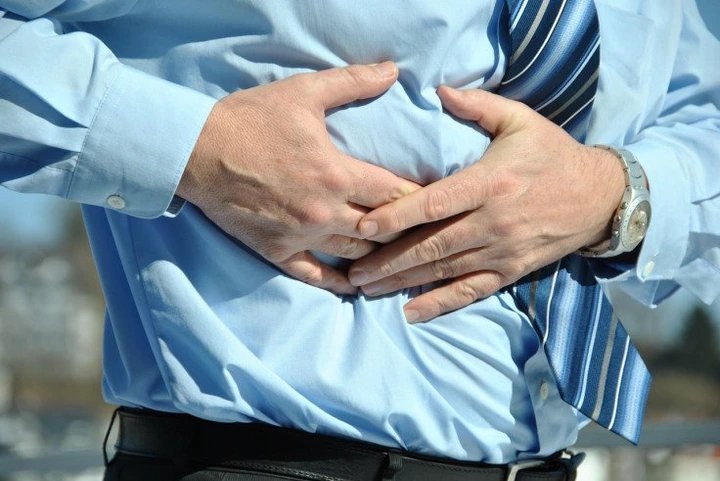
This blockage causes sudden abdominal pain.
Specialists refer to this pain as biliary colic.
Patients often describe it as sharp and intense.
Others report dull but constant discomfort.
Pain usually appears in the upper right abdomen.
Some feel it near the breastbone.
Others feel pain in the right shoulder.
Episodes may last minutes or hours.
Attacks often follow fatty meals.
Fatty foods force the gallbladder to contract.
Contraction worsens pain when stones exist.
Nausea commonly accompanies these attacks.
Vomiting and bloating may also occur.
Sweating sometimes appears during episodes.
Fever can signal complications.
Yellowing of the eyes needs attention.
This yellowing is called jaundice.
Dark urine can appear with jaundice.
Pale stools may also occur.
These signs suggest bile duct blockage.
Medical groups urge quick evaluation.
Certain groups face higher risk.
Women over forty are more vulnerable.
Obesity increases the likelihood.
Sedentary lifestyles contribute to risk.
High-fat diets raise chances.
Rapid weight loss can trigger stones.
Pregnancy raises gallstone risk.
Estrogen medications can contribute.
Diabetes and liver disease add risk.
Family history also matters.
Doctors use ultrasound for diagnosis.
Ultrasound is painless and effective.
CT scans sometimes assist diagnosis.
MRI may provide added detail.
Blood tests reveal liver changes.
Surgery is a common treatment.
Gallbladder removal is called cholecystectomy.
Many surgeries are minimally invasive.
Recovery is often quicker today.
Pain relievers help mild attacks.
Some medicines dissolve cholesterol stones.
Diet changes can reduce symptoms.
Smaller meals may help patients.
Regular eating prevents bile buildup.
Fasting can worsen risk.
Emergency care is sometimes necessary.
Severe pain needs urgent review.
Fever with chills raises concern.
Jaundice demands quick attention.
Untreated cases can inflame the gallbladder.
Pancreatitis can also develop.
Infections may occur in bile ducts.
Doctors say prevention is possible.
Healthy weight management is important.
Gradual weight loss is safer.
Fiber-rich foods support digestion.
Exercise improves digestive health.
Experts encourage public awareness.
They say early care prevents complications.
They urge people not to ignore pain.
Medical evaluation brings clarity.
Timely treatment protects wellbeing.
Specialists conclude that awareness saves lives.