(DDM) – The convener of the Civil Society Situation Room, Clement Nwankwo, has urged Nigerians to speak out against what he described as dangerous provisions in the newly amended Electoral Act bill passed by the Senate.
Nwankwo raised the alarm during an appearance on Arise Television’s Morning Show, where he addressed the implications of the Electoral Act 2022 Repeal and Re-enactment Amendment Bill 2026.
He argued that the Senate’s version of the amendment could weaken the credibility of future elections and complicate preparations by the Independent National Electoral Commission.
Nwankwo told citizens not to remain silent, insisting that public engagement remains critical in shaping democratic outcomes.

He revealed that the Civil Society Situation Room recently organized a protest and indicated that further actions may follow.
He praised labour unions, civil society organizations, and the media for keeping public attention on the bill.
Nwankwo emphasized that media discussions and civic debates help maintain pressure on lawmakers.
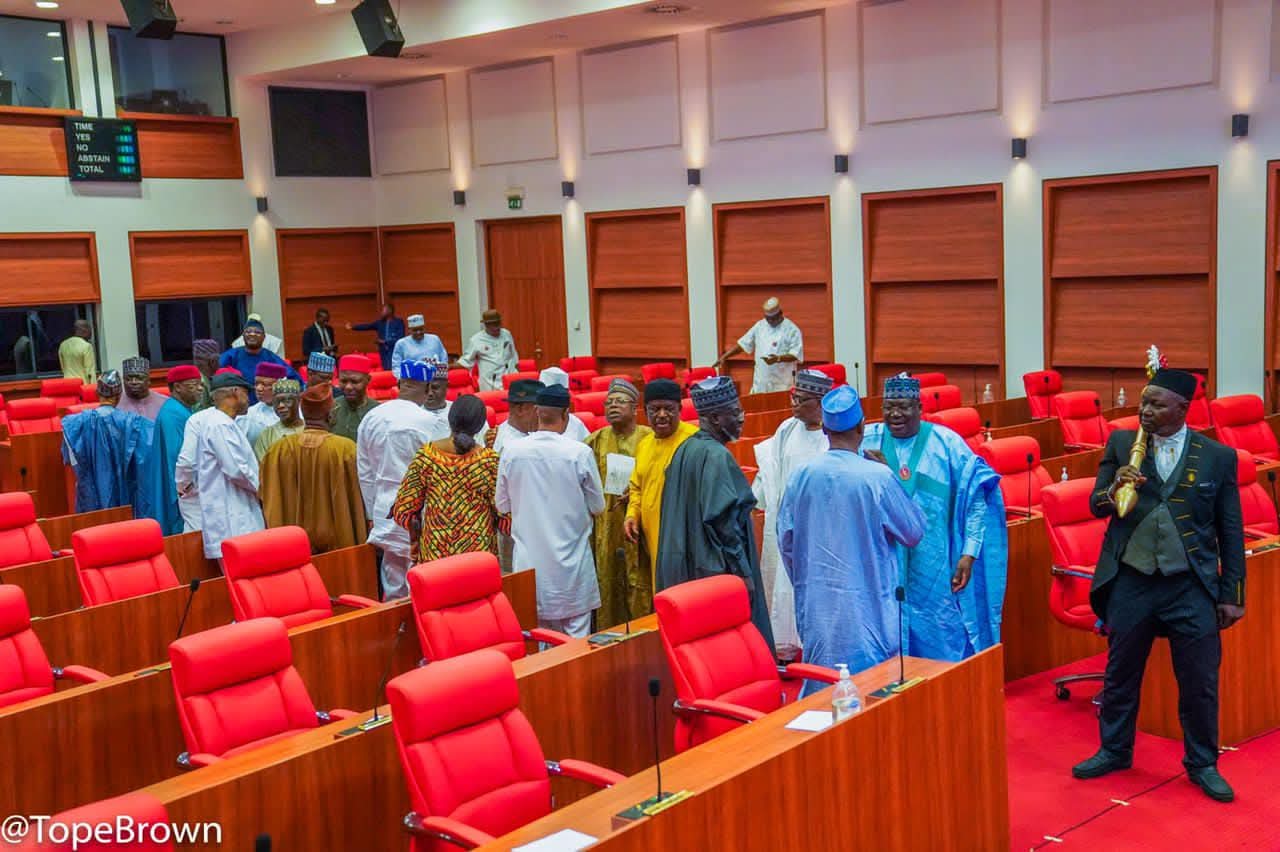
He alleged that the Senate vote reflected procedural control rather than the true will of the chamber.
According to him, those who controlled the process determined the outcome by deciding how votes were recognized.
He suggested that the method used to finalize the vote created dissatisfaction among some senators.
Nwankwo claimed that several lawmakers felt aggrieved about how the decision was handled.
He urged Nigerians to push for the adoption of the version earlier passed by the House of Representatives.
He argued that the House version better reflects consultations and stakeholder input gathered by the National Assembly.
Nwankwo maintained that retaining the House version would align more closely with citizens’ expectations.
He warned that the Senate’s rejection of mandatory electronic transmission of results could reduce transparency.
He also cautioned that altering electoral timelines could disrupt INEC’s logistics planning.
According to him, election management requires stable and realistic timelines.
He warned that sudden changes could create confusion and operational strain.
Nwankwo predicted that poorly structured timelines could trigger what he termed electoral chaos.
He insisted that credible elections depend on clarity, preparation, and trust in the process.
The Senate passed the amendment bill after a third reading but declined to make electronic transmission of results compulsory.
This decision has attracted criticism from sections of the media and civil society.
Many stakeholders argue that electronic transmission improves transparency and reduces disputes.
Supporters of technology-based reforms say digital systems can strengthen public confidence.
Some lawmakers, however, advocate caution and argue that reforms must match institutional capacity.
The debate highlights ongoing disagreements over how to modernize Nigeria’s electoral system.
As discussions continue, citizens and institutions remain divided on the best path forward.
The controversy places renewed focus on how legislative decisions shape democratic processes.
With 2027 elections approaching, conversations about credibility and logistics are intensifying.
Nwankwo’s remarks add to growing calls for broader consultation on electoral laws.
The coming months may determine whether further changes or compromises emerge.
For many Nigerians, the central concern remains how to ensure free, fair, and credible elections.