


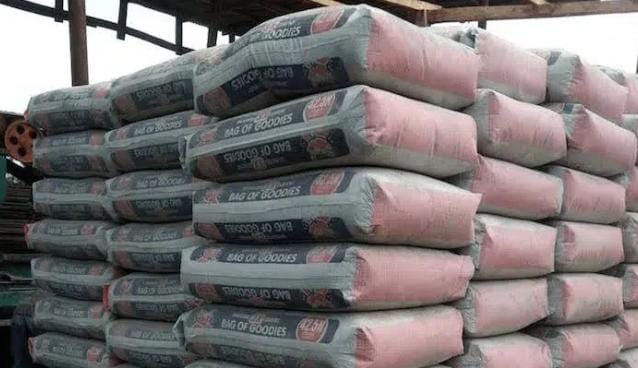
(DDM) – Cement prices across Nigeria have climbed again, tightening pressure on builders and households planning construction projects.
DDM gathered that the average retail price of a 50-kilogram bag of cement increased within one week in several markets.
Traders confirmed that a bag that sold for about ₦10,500 last week now sells for roughly ₦11,000.
The new pricing affects popular brands widely used by Nigerian builders.

Major producers such as Dangote Cement, BUA Cement, and Mangal Cement now record similar market prices.
Dealers in multiple cities reported nearly uniform pricing around the ₦11,000 mark.
Retailers said customers expressed frustration over the repeated increases.
Many small-scale builders said the surge disrupts their project budgets.
Contractors also warned that frequent price changes complicate cost planning.
Market observers linked the increase to broad economic pressures.
They stressed that cement production depends heavily on energy inputs.
Manufacturers run large plants that consume significant electricity and fuel.
Rising diesel and gas prices therefore raise factory operating costs.
Producers often transfer those higher costs to distributors and buyers.
Currency movements also influence cement pricing in Nigeria.
Some raw materials and spare parts come from foreign markets.
A weaker naira raises the naira cost of those imports.
Import-dependent inputs therefore push production expenses upward.
Logistics also play a central role in final cement prices.
Cement travels long distances from plants to depots and retail points.
Transporters now pay more for fuel and vehicle maintenance.
Spare parts and truck servicing costs have also increased.
Those logistics expenses add to the shelf price of each bag.
Demand within the construction sector remains strong.
Public and private building projects continue across many states.
Urban expansion fuels housing and infrastructure development.
High demand can place pressure on available supply.
When supply tightens, sellers often adjust prices upward.
Supply chain challenges also influence availability.
Port delays sometimes slow the arrival of inputs and equipment.
Logistical bottlenecks can restrict steady distribution.
Temporary shortages may then appear in local markets.
Such conditions can trigger price spikes.
Developers said the latest jump carries serious implications.
Large projects require hundreds or thousands of cement bags.
Even a ₦500 increase per bag raises total project costs sharply.
Some developers may delay projects due to rising expenses.
Households building homes also feel the burden.
Higher cement prices can slow personal construction plans.
Industry watchers urged stable policies to support local production.
They noted that stable energy and currency conditions could help.
Some called for improved transport infrastructure to cut logistics costs.
Others encouraged expanded domestic sourcing of inputs.
Consumers continue to monitor prices closely.
Many hope the market will stabilize in coming months.
For now, cement remains a cost driver in construction budgets.
The trend highlights wider inflation pressures in the economy.
Builders and buyers alike await relief from future price shocks.




