


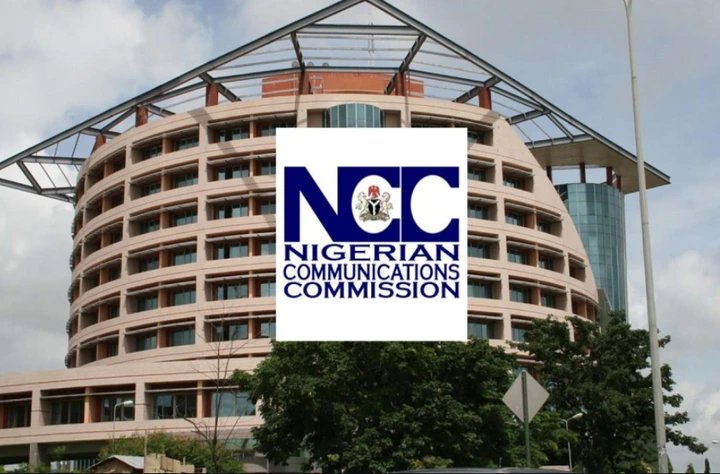
(DDM) – The Nigerian Communications Commission and the Nigeria Data Protection Commission have signed a new agreement to safeguard citizens’ data in the telecom sector.
DDM Diaspora Digital Media gathered that both regulators formalised the partnership through a Memorandum of Understanding signed at the NCC headquarters.
The agreement brings together Nigeria’s telecom regulator and its data protection authority under a shared framework on privacy enforcement.
Officials from both agencies say the collaboration will tighten how telecom operators collect, store, and process personal information.

The signing ceremony featured NCC Executive Vice Chairman Dr Aminu Wada Maida and NDPC National Commissioner Dr Vincent Olatunji.
Dr Olatunji stressed that data safety and responsible governance now define credible digital economies across the world.
He argued that Nigeria’s fast-growing digital space creates opportunities but also exposes citizens to privacy risks.
He explained that telecom networks handle enormous volumes of sensitive personal and financial data daily.
He noted that the telecom industry contributes significantly to Nigeria’s Gross Domestic Product and digital transformation.
He described the telecom sector as a natural starting point for deep regulatory cooperation on privacy.
He said both agencies share legal responsibilities that sometimes intersect in the communications space.
He added that the MoU will reduce regulatory clashes and clarify oversight duties.
He maintained that clearer coordination will protect consumers and strengthen trust in digital services.
Dr Olatunji framed data protection as a pillar of Nigeria’s digital economy strategy.
NCC chief Dr Maida welcomed the partnership and called it a milestone for smarter regulation.
He said the framework will guide how both agencies share information and enforce compliance.
He pointed to ongoing NCC efforts to push telecom companies toward stricter regulatory adherence.
He warned that personal data has become a valuable economic asset in the global marketplace.
He told Nigerians that many companies already monetise user data behind the scenes.
He argued that citizens must understand and exercise their rights over personal information.
He predicted that future advocacy may shift from labour rights to what he called “data rights.”
He suggested that people will increasingly demand control over how firms use their digital footprints.
He warned that platforms described as free often profit from user data indirectly.
He urged the public to become aware of the data they generate through daily digital activities.
Industry observers say the MoU could reshape compliance expectations for telecom operators.
Some analysts believe stronger enforcement may increase operating costs for service providers.
Others argue that firm privacy rules can attract foreign investment by improving digital trust.
Consumer advocates welcome the move but say enforcement will determine real impact.
They note that many Nigerians still lack awareness of existing data protection rights.
Technology policy experts say coordination between regulators often decides policy success.
The new pact signals Nigeria’s intention to align with global privacy standards.
Whether the agreement delivers real protection will depend on transparency and accountability.
For millions of subscribers, the deal touches on who ultimately controls their digital identity.
The partnership places data rights at the centre of Nigeria’s telecom future.




