


(DDM) – An AirAsia long-haul flight from Australia to Malaysia made an emergency landing in Brisbane after pilots detected a problem mid-journey and declared a general emergency.
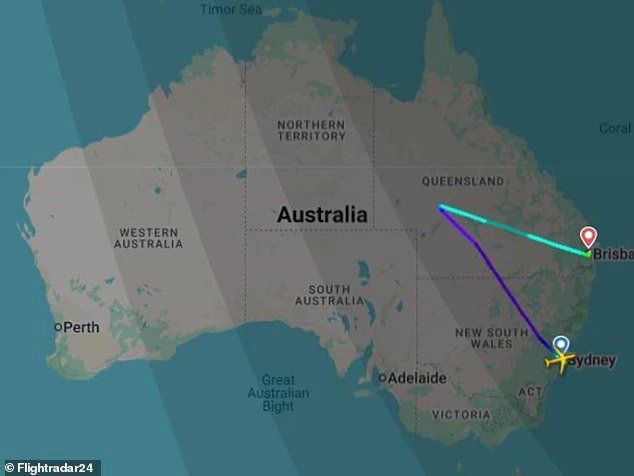
The incident involved AirAsia flight D7221, which departed Sydney on Sunday night heading for Kuala Lumpur.
Flight tracking data showed the aircraft left Sydney around 10 p.m. and initially climbed to normal cruising altitude.
Passengers expected a routine overnight international trip between Australia and Malaysia, a popular route for business and family travel.

However, the situation changed about two hours into the flight when the aircraft transmitted a general emergency signal.
Aviation monitors reported that the pilots squawked “7700,” the international transponder code that alerts air traffic control to a serious issue onboard.
Air traffic controllers treat a 7700 signal as a priority because it can indicate technical trouble, medical emergencies, or other urgent concerns.
Tracking data showed the plane descending from about 34,000 feet to roughly 10,000 feet after the emergency call.
Commercial jets often lower altitude in emergencies to manage cabin pressure, weather, or mechanical risks.
The aircraft then made a U-turn and diverted to Brisbane instead of continuing across the ocean toward Southeast Asia.
The plane landed safely in Brisbane and authorities grounded it for inspection.
Reports said the diversion left many passengers stranded while airline staff arranged assistance and onward plans.
Neither AirAsia nor airport authorities immediately confirmed the exact cause of the emergency.
AirAsia had not released a detailed technical explanation at the time of reporting.
Aviation experts note that emergency diversions, while alarming, form a standard part of global flight safety systems.
Pilots receive strict training to choose the safest airport quickly when warning systems or unusual readings appear.
Modern aircraft include multiple backup systems that allow safe landings even when problems arise.
Australia maintains strong aviation safety oversight through the Civil Aviation Safety Authority, which monitors incidents and airline compliance.
AirAsia operates as one of Asia’s largest low-cost carriers, connecting millions of passengers yearly across the Asia-Pacific region.
The airline built its reputation on affordable fares and an extensive regional network.
Like many global carriers, it has faced occasional technical incidents, though most flights operate without problems.
Aviation analysts say social media and flight-tracking apps now make in-flight events more visible to the public.
Passengers today can watch altitude, speed, and route changes in real time, which quickly spreads news of diversions.
Some travelers say such visibility increases anxiety, while others believe it improves transparency.
Industry data still shows air travel remains statistically one of the safest transport modes worldwide.
Investigators typically review maintenance logs, pilot reports, and aircraft data after emergency landings.
Those reviews help determine whether issues involve equipment, procedures, or external factors.
For passengers on flight D7221, the priority remained a safe landing, which the crew achieved.
Many travelers reportedly expressed relief after the plane touched down without injuries.
The airline will likely rebook affected passengers once it resolves the aircraft’s status.
This incident adds to ongoing public conversations about airline reliability, cost-cutting, and safety margins in budget travel.
Regulators and airlines alike continue to emphasize that declaring emergencies shows caution, not failure.
In this case, the crew’s decision to divert early may have prevented greater risk later in the journey.
Travelers now await AirAsia’s full explanation as investigators review what triggered the midair alert.




