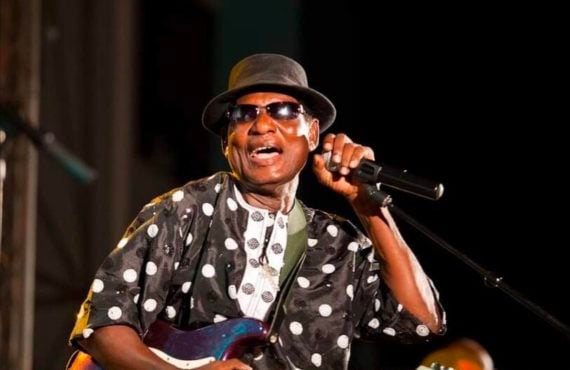
The global music community is in mourning following the death of legendary Ghanaian highlife musician Ebo Taylor, who passed away on Saturday at the age of 90.
A guitarist, composer, arranger, and bandleader, Taylor’s career spanned more than six decades, during which he helped define and modernize one of West Africa’s most beloved sounds. Revered at home and admired internationally, he is widely regarded as one of the architects of contemporary highlife music.
Born Deroy Taylor in Cape Coast in 1936, the man many came to affectionately call “Uncle Ebo” grew up alongside the evolution of Ghana’s popular music. By the 1950s and 1960s, as the country moved through the hopeful early years of independence, highlife became the soundtrack of a generation — and Taylor was at the heart of it.
His music blended traditional African rhythms with elements of jazz, funk, and soul. Over time, he developed a signature style marked by warm guitar lines, rich horn arrangements, and lyrics that reflected everyday life, social change, and celebration. The fusion gave his records a timeless quality that would later travel far beyond Ghana’s borders.

Taylor’s journey also took him to London, where he studied music and interacted with other African musicians shaping new directions in sound, including Fela Kuti. Those exchanges deepened his approach to arrangement and composition, and when he returned home, he brought with him ideas that would push highlife into fresh territory.
Throughout the decades, he performed with some of the most important bands in the region, mentored younger musicians, and remained a quiet but steady influence in the industry. Even when global trends shifted, his work endured.
In the 2000s and 2010s, renewed interest in African classics sparked a revival of his catalog. International DJs, collectors, and producers rediscovered his grooves, introducing his music to new audiences and cementing his reputation as a pioneer whose sound was ahead of its time. Samples, reissues, and festival appearances brought “Uncle Ebo” back into global conversations, proving that great music never fades.
News of his passing came just a day after a city festival launched in Accra in his honor, marking his milestone birthday and celebrating his immense contributions. The timing has added an extra emotional weight to tributes now pouring in from artists, cultural leaders, and fans around the world.
Many have described him as humble, elegant, and deeply committed to his craft — a man whose melodies carried history while still feeling alive on modern dance floors.
Ebo Taylor leaves behind not only a treasured discography but a musical philosophy rooted in creativity, collaboration, and cultural pride. His influence can be heard in contemporary highlife, Afrobeat, and countless hybrid styles flourishing today.
Though a giant has fallen silent, the music he created continues