


(DDM) – Nigeria’s debate over election transparency intensified after lawmakers clarified their position on digital result transmission.
Diaspora Digital Media (DDM) reports that the latest clarification has stirred fresh arguments among voters and civil society groups.
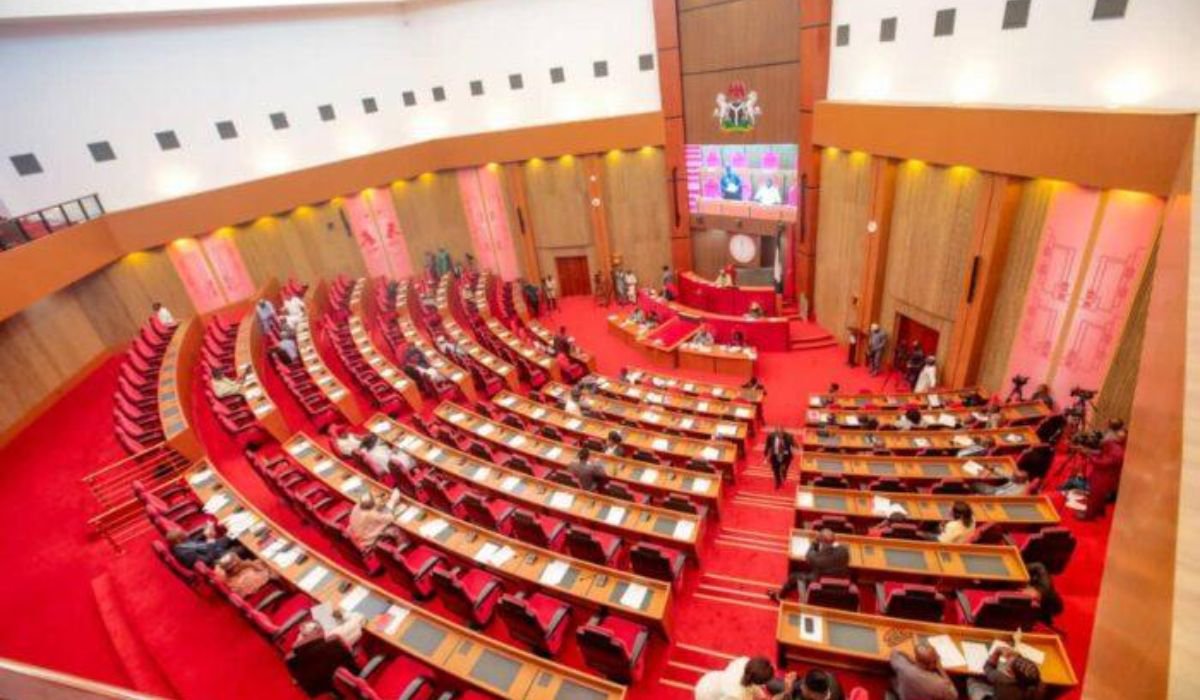
The Nigerian Senate said real-time transmission depends on a full electronic voting system.
Lawmakers argued that current procedures still rely on manual accreditation and counting.

They explained that technology now supports collation and publication, not actual voting.
The clarification followed public anxiety about proposed electoral law amendments.
Citizens have demanded stronger safeguards before the next general elections.
Many Nigerians fear loopholes could weaken confidence in outcomes.
The Independent National Electoral Commission manages election logistics across the country.
The commission introduced digital tools to improve credibility in recent polls.
These tools include voter accreditation devices and online result portals.
However, officials still count ballot papers by hand.
Manual counting remains the legal foundation of Nigerian elections.
Senators insisted that electronic voting requires deeper infrastructure.
They warned that premature deployment could create confusion nationwide.
During an appearance on Arise News, a lawmaker addressed public concerns.
Adeniyi Adegbonmire chaired the review panel discussing the bill.
He stated that the results portal only displays declared figures.
He maintained that presiding officers must complete result forms first.
He stressed that party agents must sign forms at polling units.
He argued that uploading follows proper documentation procedures.
He rejected claims that lawmakers oppose digital transparency.
He described many public interpretations as misunderstandings.
He said terminology changes would not alter procedures.
He noted that “upload” and “transmit” describe similar actions.
He emphasized that accuracy begins at the polling unit.
He reminded viewers that law guides every stage.
Background shows Nigeria has reformed election laws repeatedly.
Past controversies pushed authorities to adopt technology gradually.
Observers say technology reduced some irregularities in 2023.
Yet disputes still reached courts after major contests.
Trust in institutions remains a sensitive national issue.
The Nigerian House of Representatives earlier supported electronic transmission language.
That stance earned praise from reform advocates.
Some groups accuse politicians of protecting advantages.
Others argue caution prevents systemic failures.
Analysts say infrastructure gaps affect rural connectivity.
Power supply also challenges digital reliability.
Security experts warn about cyber vulnerabilities.
Civic groups continue demanding clearer legal guarantees.
Young voters increasingly push for modernization.
Political parties prepare early for 2027 strategies.
Debate over reform will likely intensify.
DDM learned that consultations continue among stakeholders.
Legal experts expect further public hearings.
Many citizens now follow legislative debates closely.
The controversy shows democracy remains a work in progress.
Nigerians ultimately seek credible and peaceful elections.
The nation watches as reforms shape the future.




