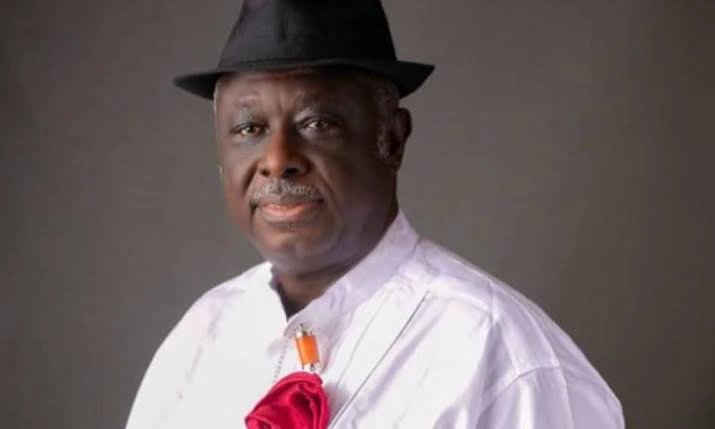
(DDM) – Emma Ogidi, South-South Caretaker Chairman of the Peoples Democratic Party (PDP), has delivered a scathing critique of Nigeria’s electoral body, describing it as potentially the “worst INEC” in the country’s history.
In an exclusive interview with a Vanguard correspondent, Ogidi, a prominent figure in the Dr. Kabiru Turaki-led faction of the PDP, linked the growing dysfunction within the party to internal conflicts that have escalated in recent years.
Ogidi explained that the party’s problems are largely self-inflicted, stemming from anti-party politics among members. He lamented that, unlike in the past when disagreements were resolved through internal consensus, party members now openly declare their intentions to act against the organization. “People are now saying, ‘I am doing this,’” he said, noting that such declarations are unprecedented in the PDP’s history.
The PDP official also raised concerns about the independence and credibility of the electoral commission.
He criticized the current INEC leadership for what he described as a lack of experience, noting that the chairman has served less than four months yet has already engaged in controversial political interactions. “The other man stayed two tenures before they compensated him with ambassadorial appointments. This man has not even done four months, he has gone to see Wike,” Ogidi said.

Ogidi’s comments also targeted federal judges who visited Governor Nyesom Wike. He argued that the judges failed to acknowledge that certain houses under dispute were funded with Federal Capital allocations, not Wike’s personal money. “As judges, they knew the money did not belong to Wike but to the government, and it was tied to the President,” he said.
The interview highlights persistent tensions within the PDP, which continues to face public scrutiny over factionalism and leadership disputes. Analysts note that internal divisions, if left unchecked, could weaken the party’s cohesion ahead of the 2027 general elections.
Emma Ogidi’s remarks also underscore broader concerns about judicial independence in politically sensitive matters. His statements suggest that political favoritism may influence decision-making in cases involving high-profile politicians.
Historically, INEC has faced criticism over the transparency of its operations and the management of elections, with observers often highlighting infrastructural and logistical challenges. Ogidi’s warning that the current leadership could be the “worst INEC” signals potential unrest if public confidence in the electoral process diminishes further.
As one of the vocal leaders in the Turaki faction, Ogidi has consistently positioned himself as a defender of party principles while calling out what he perceives as political interference by opponents and public officials.
The PDP’s internal rifts, coupled with Ogidi’s criticism of INEC and the judiciary, may influence the political discourse ahead of 2027, shaping debates over electoral reforms, judicial accountability, and governance in Nigeria.
Ogidi concluded by stressing the importance of truth in governance, citing biblical principles: “The truth must be told in this country… it is only the truth that can set you free.”
This latest pronouncement from Emma Ogidi signals escalating tensions within Nigeria’s political landscape and raises questions about INEC’s readiness to conduct transparent elections under the current leadership.