


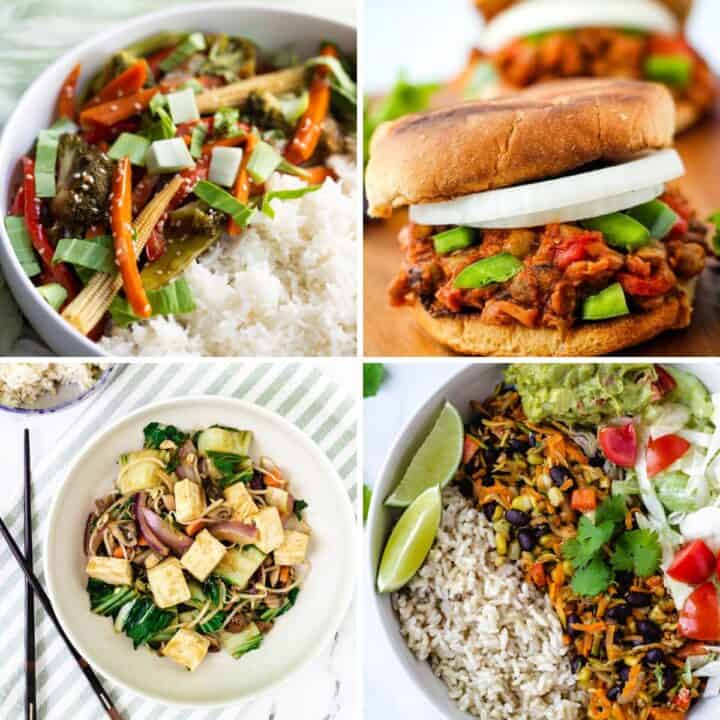
For many people attempting to lose weight, the experience is often marked by persistent hunger, low energy levels, and late-night cravings that undermine progress. Nutrition experts note that many diets fail not because individuals lack discipline, but because restrictive eating plans can be physically and mentally difficult to maintain.
However, health professionals emphasize that effective fat loss does not require extreme food restriction. Strategic food choices particularly meals rich in protein can help individuals feel fuller for longer, preserve muscle mass, and support a more sustainable approach to weight management.
This report examines the science behind protein’s role in fat loss, highlights accessible food options, and outlines practical meal ideas suitable for everyday routines.
Why Protein Supports Fat Loss
Nutrition research shows that protein offers several advantages that carbohydrates and fats do not fully replicate.

Satiety and Appetite Control
Protein slows digestion and helps regulate hunger-related hormones. Meals high in protein tend to keep people satisfied for extended periods, reducing the likelihood of overeating or frequent snacking.
Muscle Preservation
During weight loss, maintaining lean muscle is essential. Adequate protein intake helps protect muscle mass, which in turn supports metabolic function and overall strength.
Higher Energy Use During Digestion
Protein has a higher thermic effect than fats or carbohydrates, meaning the body expends more energy digesting it. While this effect is modest, it contributes to overall calorie expenditure.
In practical terms, incorporating protein into meals can help individuals naturally consume fewer calories without feeling deprived.
Affordable High-Protein Foods to Prioritize
Contrary to popular belief, high-protein eating does not require costly or exotic ingredients. Many widely available foods provide excellent protein content, including:
Eggs
Chicken breast or thighs
Fish such as mackerel, sardines, or tuna
Greek yogurt
Beans and lentils
Tofu and other soy products
Lean beef
Ground turkey
Peanut butter (in moderation)
Nutritionists advise that choosing locally available whole foods can help households build protein-rich meals without significantly increasing grocery expenses.
Practical High-Protein Meal Ideas
1. Egg and Vegetable Scramble
Scramble eggs with spinach, tomatoes, and onions. Add whole-grain toast if additional carbohydrates are desired.
Benefit: Eggs provide high-quality protein that helps curb mid-morning hunger, while vegetables add fiber and volume with minimal calories.
2. Greek Yogurt Power Bowl
Combine Greek yogurt with a handful of nuts and fresh fruit.
Benefit: This balanced combination delivers protein, healthy fats, and natural sweetness, making it suitable for breakfast or a midday snack.
3. Protein-Rich Lunch Bowl
Pair grilled chicken or tofu with brown rice and mixed vegetables.
Benefit: This meal provides sustained energy and balanced nutrition for busy schedules.
4. Simple High-Protein Dinner
Serve baked fish with steamed vegetables and a small portion of sweet potatoes.
Benefit: Lean protein and fiber-rich sides promote fullness while keeping calorie intake controlled.
A Sustainable Approach
Health specialists consistently stress that long-term success in fat loss depends on habits that can be maintained over time. Rather than relying on restrictive diets, incorporating protein-dense meals into daily eating patterns can support gradual, steady progress while preserving energy and overall well-being.
In essence, the evidence suggests that effective fat loss is less about eating less and more about eating smarter.

