


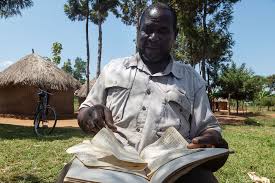
Musa Hasahya Kasera, a resident of eastern Uganda, is widely known for having one of the largest recorded families on the continent. His household has drawn global attention because of its extraordinary size and the challenges that come with it.
Kasera has 12 wives, 102 children, and 578 grandchildren, bringing the total number of people in his immediate lineage to well over 600.
He married his first wife in the early 1970s while still a teenager. Over the decades, more marriages followed, and his family expanded rapidly. What began as a symbol of pride and status in his community gradually became difficult to manage as the numbers increased.
Providing food, healthcare, and education for such a vast household has proven demanding. Kasera has publicly admitted that he sometimes struggles to meet basic needs. Because of the large number of children, he has said he cannot always remember every name without help from other family members.

In recent years, financial pressure has forced changes within the home. Some of his wives reportedly began using birth control to prevent further pregnancies, a decision aimed at reducing the burden on limited resources. A few members of the family have also moved away in search of work and better opportunities.

The family lives in a rural area where farming and small jobs provide income, but the earnings are often not enough for everyone. Feeding hundreds of people daily remains one of the biggest concerns.
Polygamous marriages are legally and culturally recognised in parts of Uganda, particularly in traditional communities. However, families of this magnitude are rare, which is why Kasera’s story continues to attract international curiosity.
Despite the hardships, he remains a well-known figure locally and is frequently approached by visitors and media who want to understand how such an enormous family operates.

