


Health experts say early detection of HIV can significantly improve treatment outcomes, yet many early warning signs are often overlooked because they appear mild or resemble common conditions. Medical authorities, including the World Health Organization, stress that unusual or persistent changes in the mouth and on the skin may be among the first visible indicators of infection.
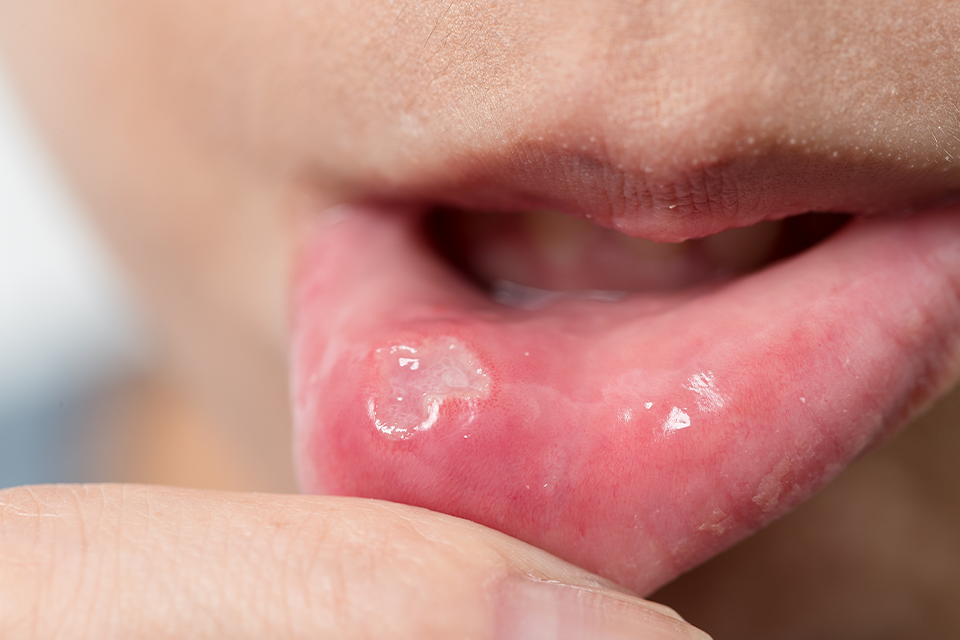
One frequently reported symptom is persistent mouth ulcers. These small, painful sores may develop on the tongue, gums, or inside the cheeks and often linger longer than typical canker sores. Unlike ordinary ulcers that heal within a week or two, HIV-related lesions may recur frequently or resist treatment, signaling a weakened immune response.
Another oral sign is oral thrush, a fungal infection that causes creamy white patches on the tongue, inner cheeks, or throat. While thrush can occur in anyone, recurrent or severe cases in adults may indicate underlying immune suppression. In some instances, individuals may also experience dry mouth or unexplained gum inflammation.
Skin changes can also provide early clues. Persistent rashes especially those that do not respond to standard creams or medications. may appear on the chest, face, or limbs. These rashes can be itchy, scaly, or blotchy and sometimes resemble eczema or allergic reactions. Additionally, frequent outbreaks of shingles or unusual bruising without injury can signal immune system compromise.

In more advanced cases, people may develop distinctive purplish or dark lesions on the skin or inside the mouth. These marks can be associated with certain infections or conditions that tend to occur when immunity is significantly weakened.
Public health specialists emphasize that these symptoms alone do not confirm HIV, as they may be linked to other illnesses. However, persistent or unexplained mouth and skin changes should prompt medical evaluation and testing. Early diagnosis allows timely treatment, which can suppress the virus, protect the immune system, and greatly improve long-term health outcomes.
Medical professionals advise individuals who notice recurring oral sores, unusual rashes, or other unexplained symptoms to seek prompt medical guidance rather than self-medicating or ignoring the signs. Early attention remains one of the most effective tools in managing the condition and preventing complications.




