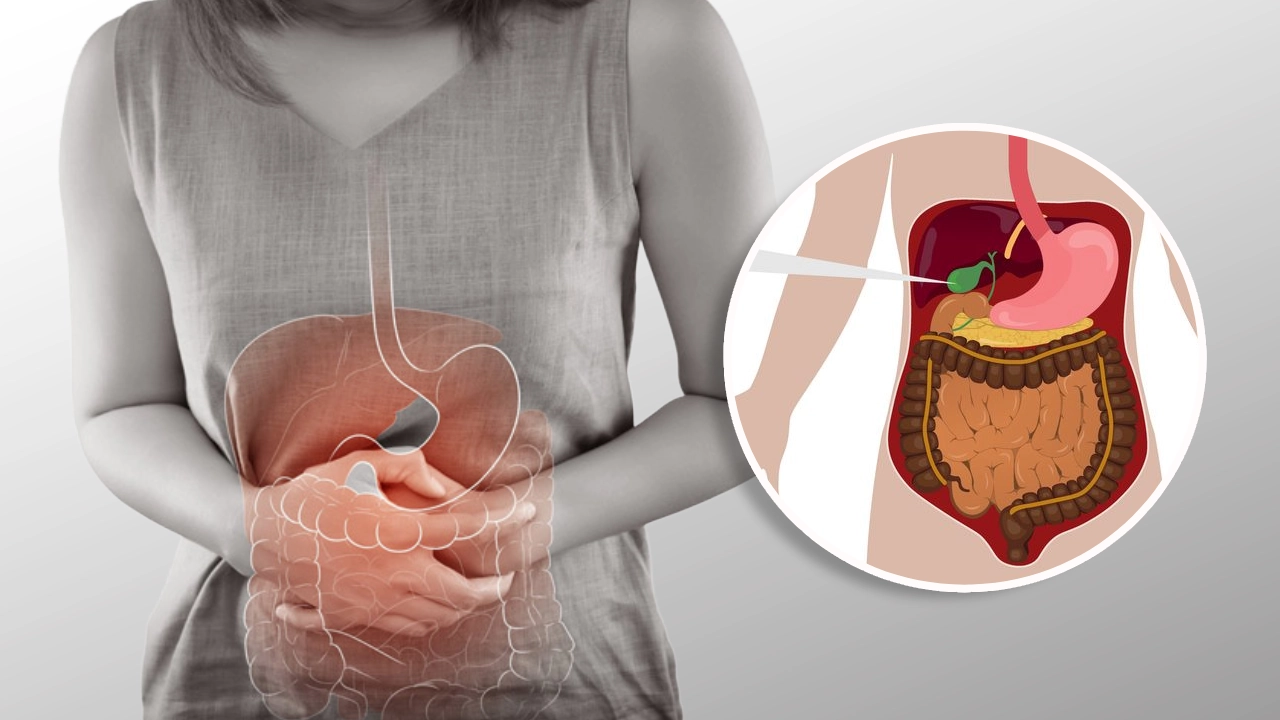
Right-side upper abdominal pain is drawing attention from health professionals who warn that discomfort in this region should never be ignored. The area contains vital organs, including the gallbladder, liver, and parts of the kidney, meaning pain there can range from a minor, manageable condition to a symptom requiring urgent medical care. Physicians stress that understanding which organ may be responsible is key to determining both the seriousness of the problem and the appropriate treatment.
Medical specialists explain that the gallbladder plays an essential role in digestion by storing bile, a fluid that helps break down fats. When gallstones develop or the organ becomes inflamed, patients may experience a distinct type of pain. This discomfort is often described as sudden and severe, typically occurring in the upper right abdomen. Many sufferers report a sharp, cramping sensation that intensifies rapidly, reaches a high level of intensity, and can last from about 30 minutes to several hours before gradually easing.
Doctors note that gallbladder-related pain frequently appears after eating fatty meals, which stimulate the organ to contract. This contraction can aggravate existing gallstones or inflammation, triggering symptoms. Certain groups face a higher risk of gallbladder problems, including women, individuals over 40, people living with obesity, and those with a family history of gallstones.
Health experts also caution that gallstones do not always produce symptoms. In many cases, they are discovered incidentally during imaging tests conducted for unrelated medical concerns. However, persistent or intense abdominal pain—especially when accompanied by fever, nausea, or jaundice—should prompt immediate medical evaluation, as it may signal complications requiring prompt treatment.
Clinicians emphasize that while some causes of right-side abdominal pain can be addressed through dietary changes and lifestyle adjustments, others may necessitate medication or surgical intervention. As a result, they advise individuals not to self-diagnose but instead seek professional assessment whenever unexplained pain occurs in this sensitive region.