ILORIN, NIGERIA — The Kwara State Government has urged young people to establish their haemoglobin genotype status early in life and seek appropriate medical counselling before marriage, as part of efforts to reduce the burden of sickle cell disease and promote informed family-planning decisions.
The appeal was made during the launch of a statewide genotype screening and awareness campaign tagged “Know Your Genotype”, organised by the wife of the governor, Ambassador Olufolake Abdulrazaq, in collaboration with the Kwara State Ministry of Health and the Concerned Medics Foundation.
The programme, which included a screening exercise at Queen Elizabeth Secondary School in Ilorin, was designed to educate adolescents about sickle cell disease, encourage early testing and ensure that young people understand the implications of their genotype before making reproductive decisions.
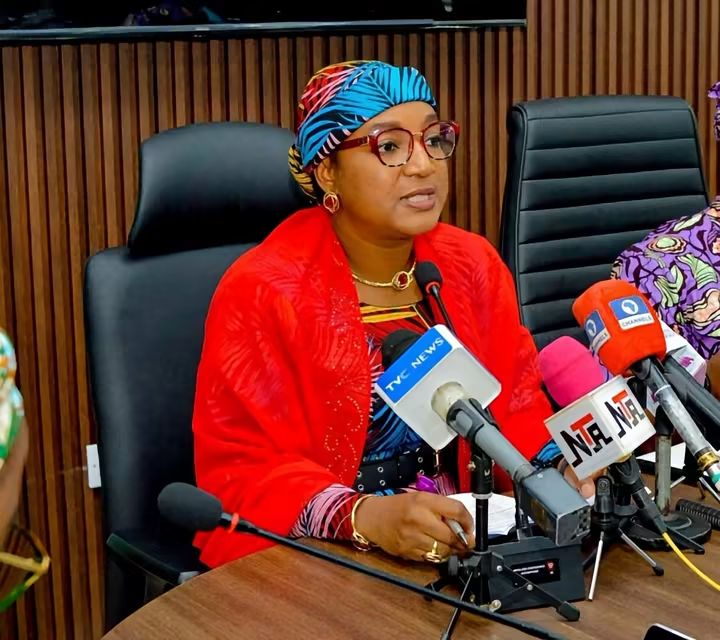
Representing the governor’s wife at the flag-off ceremony, the Commissioner for Health, Dr Amina Ahmed El-Imam, said early awareness was essential to preventing avoidable cases of sickle cell disease. She urged parents to take responsibility for ensuring that their children know their genotype before reaching adulthood.
She also called on religious and traditional leaders to support the campaign by using their platforms to educate members of their communities about genotype testing and the importance of informed decisions before marriage.
Abdulrazaq stressed that genotype information should not be treated as something people only need when they are preparing to marry. Instead, she encouraged families to make testing part of early health education so that young people can understand their status well before entering relationships that may lead to having children.
She further highlighted the physical, emotional and financial challenges that families affected by sickle cell disease can experience. According to her, early screening, proper information and access to counselling can help individuals and couples understand their reproductive risks and available options.
The governor’s wife also disclosed that people living with sickle cell disease in Kwara State have access to free health insurance coverage under an intervention aimed at reducing the financial burden of treatment on affected individuals and their families.
The screening programme is being implemented with the involvement of the Concerned Medics Foundation, whose representatives said the initiative was designed to combine public education with professional testing, counselling and referral services.
Dr Sadiya Gumi-Bennett, a consultant paediatrician and immediate past chairperson of the foundation, said more than 500 students had been screened during the initial phase of the exercise, with the programme expected to cover 1,000 students across the state.
She disclosed that seven students identified with sickle cell disease had been referred to hospitals for confirmatory testing and appropriate medical management. The referrals are intended to ensure that preliminary screening findings are followed by proper clinical assessment and care.
Gumi-Bennett emphasised that the exercise was being conducted with parental consent and that screening must be handled with professionalism, sensitivity and respect for the privacy and dignity of the students.
She also urged the state government to consider expanding genotype testing among school-age children, arguing that early identification would allow families to receive appropriate information and medical support.
The initiative forms part of wider efforts to address sickle cell disease in Nigeria, where the condition remains a significant public health challenge. Sickle cell disease is an inherited blood disorder that affects haemoglobin, the protein responsible for carrying oxygen in red blood cells. People living with the condition may experience recurrent painful episodes, anaemia, infections and other complications that require continuing medical attention.
The disease can occur when a child inherits a sickle haemoglobin gene from both parents. This makes knowledge of parental genotype important for understanding the possibility of having a child with the condition.
For example, when both prospective parents have the AS genotype, each pregnancy carries a 25 per cent chance of producing a child with sickle cell disease, a 50 per cent chance of producing a child with the AS genotype and a 25 per cent chance of producing a child with the AA genotype. These probabilities apply independently to each pregnancy.
Health professionals therefore encourage individuals to obtain reliable genotype results and seek genetic counselling when necessary. They also advise against relying on assumptions, old records or unverified test results when making important reproductive decisions.
The Kwara campaign is also expected to strengthen awareness in schools, where young people can receive accurate information before making decisions about relationships and family life. The organisers believe that combining education with accessible screening will help address misconceptions and encourage responsible health choices.
The state government has reaffirmed its willingness to collaborate with healthcare professionals and relevant organisations to improve adolescent health services. The Permanent Secretary of the Ministry of Health, Dr Taoheed Abdullahi, said partnerships of this nature could strengthen preventive healthcare and improve the well-being of young people.
With the programme targeting 1,000 students, attention will now turn to expanding access to screening, ensuring appropriate follow-up for those referred and sustaining public education beyond the initial campaign.
The government says its broader objective is to build a society in which young people understand their genotype, prospective couples have access to professional counselling and families affected by sickle cell disease receive the healthcare support they need.