


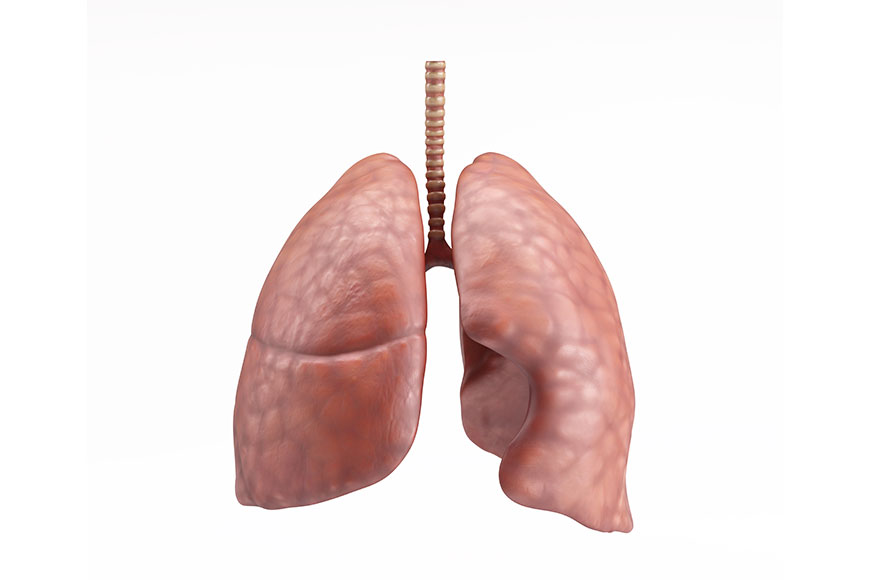
Your lungs work continuously to supply oxygen to the body and remove carbon dioxide, making them essential for survival. Medical experts caution that when lung health begins to decline, the body often sends early warning signals. Recognizing these signs promptly can help prevent more serious respiratory complications and improve treatment outcomes.
One of the most noticeable symptoms is shortness of breath during everyday activities such as walking, climbing stairs, or performing simple chores. Persistent breathlessness may indicate that the lungs are not functioning efficiently or that airflow is restricted.
Chest tightness or discomfort especially when taking deep breaths or moving is another symptom that should not be ignored. Specialists explain that this sensation can be linked to inflammation, airway irritation, or strain affecting the respiratory system.
Wheezing, a high-pitched whistling sound while breathing, can also signal trouble. This often occurs when airways become narrowed or partially blocked, which may be associated with respiratory conditions such as asthma or bronchial inflammation.

Frequent mucus buildup or persistent phlegm production is another potential warning sign. When this symptom continues over an extended period, it may point to chronic irritation, infection, or other underlying lung conditions that require medical evaluation.
Health professionals advise that anyone experiencing these symptoms should consult a qualified healthcare provider for proper assessment. Early diagnosis and timely treatment can help protect lung function and reduce the risk of long-term complications.
Maintaining healthy lungs, experts add, involves avoiding smoking, limiting exposure to polluted environments, staying physically active, and attending regular medical checkups.

