


Your immune system is easy to overlook until it starts to fail you. A sudden scratchy throat, lingering fatigue, or yet another seasonal cold can quickly remind you how vital your body’s defenses really are. When illness strikes repeatedly, many people begin to ask the same question: what can be done to strengthen immunity?
Health experts emphasize that immune resilience is not built overnight. Rather, it develops gradually through consistent lifestyle habits, especially daily nutrition. What you eat plays a central role in how effectively your body can defend itself against infections and inflammation.
Below are several everyday foods widely recognized for supporting immune health.
Citrus Fruits: Reliable Daily Support

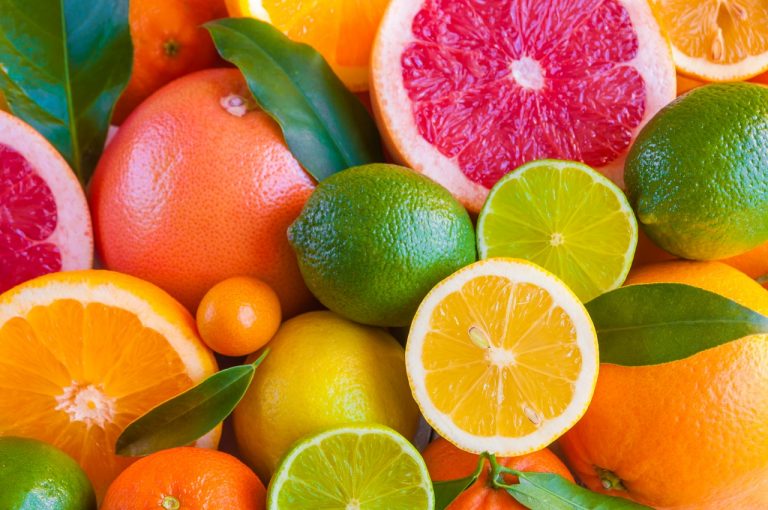
Oranges, lemons, grapefruits, and limes are rich in vitamin C, a nutrient known to help the body produce white blood cells that fight infections. Because the body does not store vitamin C, regular intake is more important than large, occasional doses. Simple habits such as drinking lemon water in the morning or eating an orange as a snack can help maintain steady levels.
Garlic: A Traditional Immune Ally
Used for centuries in cooking and natural remedies, garlic contains compounds linked to immune support and reduced inflammation. Though simple and inexpensive, it can be a powerful addition to meals, whether mixed into soups, stir-fries, or dressings.
Leafy Greens: Nutrient-Dense Essentials
Vegetables such as spinach, kale, and broccoli provide vitamins A, C, and E, along with antioxidants that protect cells from damage. Diets lacking colorful vegetables may miss key nutrients required for optimal immune response. Adding a variety of greens can significantly improve nutritional balance.
Yogurt: Gut Health and Immunity
A large portion of the immune system is closely tied to gut health. Yogurt containing live and active cultures supplies probiotics that help maintain healthy gut bacteria. A balanced digestive system allows the immune system to function more effectively. Plain yogurt is often recommended, with fruit or honey added for flavor if desired.
Nuts and Seeds: Small but Powerful
Almonds, sunflower seeds, and pumpkin seeds are rich in vitamin E, an antioxidant that helps protect immune cells. Even a small handful daily can contribute to long-term immune support.
Berries: Antioxidant Protection
Blueberries, strawberries, and raspberries contain high levels of antioxidants that reduce oxidative stress in the body. Lower cellular stress supports stronger immune responses. They can be easily added to smoothies, oatmeal, or yogurt as a healthier alternative to sugary snacks.
Understanding the Limits
Nutrition specialists caution that no single food can guarantee immunity from illness. Supporting the immune system requires a combination of balanced meals, adequate sleep, regular physical activity, stress management, and proper hydration. Diet is only one piece of the puzzle, but it remains a powerful and accessible one.
The Bottom Line
For individuals feeling run down or frequently ill, experts advise starting with small, sustainable changes. Incorporating even one nutrient-rich food into daily meals can make a difference over time. Strong immunity is not the result of a quick fix it is built through consistent, healthy choices made every day.

