
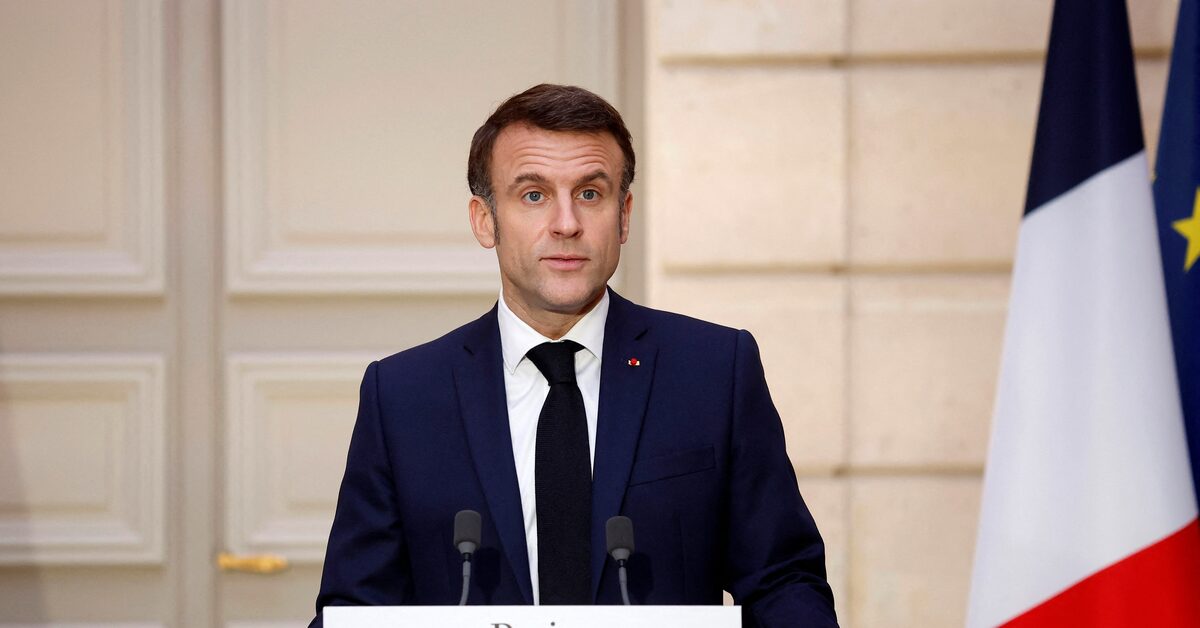
France has declared it is “ready” to defend Gulf countries and Jordan against Iranian attacks if necessary, following a surge of missile and drone strikes across the region.
The announcement came from French Foreign Minister Jean-Noel Barrot on Monday, March 2, 2026.
“Iran has launched deliberate attacks against allied countries that did not choose this war Saudi Arabia, the United Arab Emirates, Qatar, Iraq, Bahrain, Kuwait, Oman, and Jordan,” Barrot said.
“France expresses its full support and complete solidarity with these nations.”
Barrot emphasized that France’s potential involvement would align with agreements binding it to its partners and under the principle of collective self-defense under international law.

The French statement comes in the wake of a US-Israeli operation on Saturday that killed Iran’s Supreme Leader, Ayatollah Ali Khamenei, and targeted Iranian military and missile infrastructure.
In retaliation, Iran has launched a series of missile and drone attacks on US bases, vessels in the Indian Ocean, and cities across the Gulf, including Dubai, Doha, and Manama.
Iran’s army confirmed it had employed 15 cruise missiles in the strikes, targeting a US air base in Kuwait and maritime assets.
Global Allies Align
France, alongside Germany and the United Kingdom, said on Sunday that they are prepared to defend their interests and those of their Gulf allies, potentially using proportionate defensive measures to neutralize Iranian missile and drone capabilities at their source.
Barrot noted that roughly 400,000 French citizens are currently residing in or visiting Gulf nations, highlighting the urgency of protective measures.
The joint statement underscored the shared concern of European allies over the escalating conflict:
“Iran’s reckless attacks have targeted our close allies and are threatening our service personnel and our civilians across the region,” the statement read.
With Iran continuing its counterstrikes, including recent attacks on US and British military installations, tensions remain high across the Middle East, raising fears of a broader international military escalation.