


High Blood Pressure, also known medically as hypertension, is one of the most common health conditions worldwide and a major cause of heart disease and stroke. Health experts warn that many people live with the condition for years without knowing it because symptoms can be mild or absent.
According to the World Health Organization, hypertension occurs when the force of blood pushing against the walls of the arteries remains consistently too high. If left untreated, it can damage vital organs such as the heart, brain, kidneys, and eyes.
Although hypertension is often called a “silent killer,” doctors say some warning signs may appear when blood pressure becomes dangerously high.
Common Symptoms That May Indicate High Blood Pressure
Health professionals advise individuals to seek medical evaluation if they frequently experience the following symptoms.

1. Persistent Headaches
Frequent or severe headaches, particularly in the morning, may be associated with elevated blood pressure. These headaches are often felt at the back of the head and can worsen over time.
2. Dizziness or Lightheadedness
Feeling dizzy or unsteady may occur when blood pressure rises significantly. This symptom can sometimes be accompanied by difficulty concentrating.
3. Blurred or Distorted Vision
High blood pressure can affect blood vessels in the eyes, leading to blurred vision or difficulty focusing.
4. Chest Pain
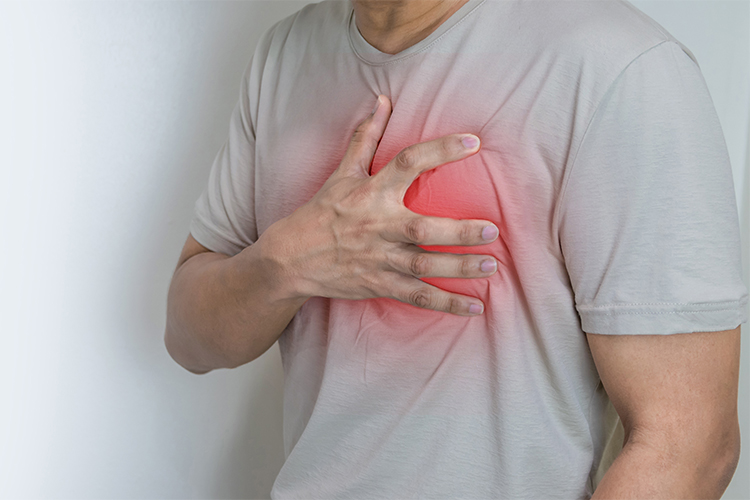
In some cases, hypertension may cause chest discomfort or tightness. This can be a serious warning sign and may indicate strain on the heart.
5. Shortness of Breath
Difficulty breathing during normal activities may occur when high blood pressure begins to affect the heart and lungs.
6. Nosebleeds
Frequent or unexplained nosebleeds may sometimes occur when blood pressure rises sharply.
Why High Blood Pressure Is Dangerous
Untreated High Blood Pressure significantly increases the risk of life-threatening health conditions, including Stroke, Heart Attack, and Kidney Disease.
Over time, constant pressure on the arteries can cause them to become damaged or narrowed, making it harder for blood to flow properly throughout the body.
Major Risk Factors
Health experts identify several factors that increase the likelihood of developing hypertension. These include:
-
Excess salt consumption
-
Obesity or excess body weight
-
Physical inactivity
-
Smoking and alcohol use
-
Chronic stress
-
Family history of hypertension
Age and certain medical conditions may also increase the risk.
Steps to Prevent and Control High Blood Pressure
Doctors say lifestyle changes can significantly reduce the risk of developing hypertension or help control it if already diagnosed.
Recommended steps include:
-
Eating a balanced diet rich in fruits and vegetables
-
Reducing salt intake
-
Exercising regularly
-
Maintaining a healthy body weight
-
Avoiding tobacco use
-
Limiting alcohol consumption
-
Monitoring blood pressure regularly
Importance of Early Detection
Because symptoms may not always be obvious, medical experts recommend routine blood pressure checks at health facilities or pharmacies.
Early detection and proper treatment can help prevent serious complications and improve long-term health outcomes.
Health professionals stress that anyone experiencing persistent symptoms associated with High Blood Pressure should seek medical evaluation promptly. Regular check-ups and healthy lifestyle choices remain the most effective ways to manage the condition and protect overall wellbeing.




