


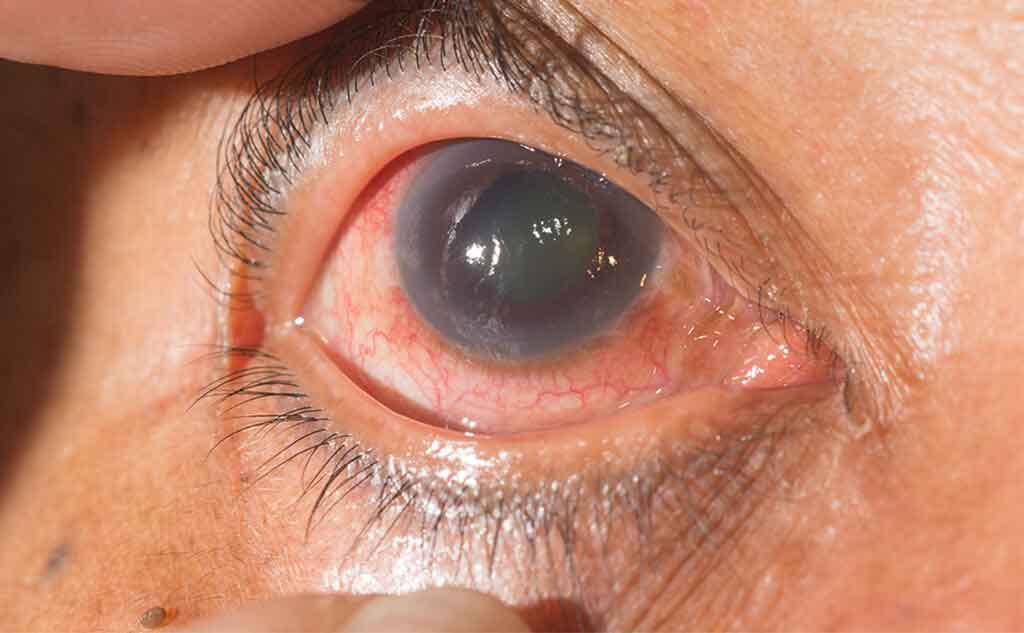
Health experts are warning about the growing burden of Glaucoma, a group of eye conditions that can lead to irreversible blindness if not detected and treated early. Often referred to as the “silent thief of sight,” glaucoma progresses gradually and, in many cases, without noticeable symptoms until significant vision loss has already occurred.
A Leading Cause of Blindness
According to eye care specialists, glaucoma is one of the leading causes of permanent blindness worldwide. The condition damages the optic nerve, which is essential for transmitting visual information from the eye to the brain. Once this damage occurs, it cannot be reversed.
The most common form, known as Open-Angle Glaucoma, develops slowly and painlessly, making it particularly dangerous. Another type, Angle-Closure Glaucoma, is less common but can occur suddenly and constitutes a medical emergency.
Key Risk Factors
Medical professionals identify several factors that increase the risk of developing glaucoma, including:

Age, particularly individuals over 40
Family history of the condition
Elevated eye pressure
Underlying health conditions such as diabetes and hypertension
Prolonged use of steroid medications
Experts note that many individuals at risk remain unaware until routine eye examinations reveal early signs of the disease.
Symptoms Often Go Unnoticed
One of the most concerning aspects of glaucoma is its lack of early warning signs. In its initial stages, vision may appear normal. As the disease progresses, patients may begin to experience gradual loss of peripheral (side) vision.
In more severe or sudden cases, symptoms can include severe eye pain, blurred vision, headaches, nausea, and seeing halos around lights—signs that require immediate medical attention.
Early Detection Is Critical
Ophthalmologists emphasize that regular eye screenings are the most effective way to detect glaucoma early. Comprehensive eye exams can measure intraocular pressure, assess the optic nerve, and identify subtle changes before vision is affected.
“Once vision is lost to glaucoma, it cannot be restored,” eye specialists warn. “But with early diagnosis, the progression can be slowed or even halted.”
Treatment and Management
While there is currently no cure for glaucoma, treatment options are available to manage the condition and prevent further damage. These include prescription eye drops, oral medications, laser therapy, and in some cases, surgery.
The goal of treatment is to reduce intraocular pressure and protect the optic nerve from further harm.
Raising Awareness
Health authorities are calling for increased public awareness, particularly in regions with limited access to eye care services. Many cases of blindness caused by glaucoma are considered preventable with timely intervention.
Experts urge individuals to prioritise routine eye checks, especially those with known risk factors, stressing that protecting vision begins with early action.
“Your eyesight is invaluable,” specialists say. “Do not wait for symptoms before seeking care by then, it may already be too late.”




