


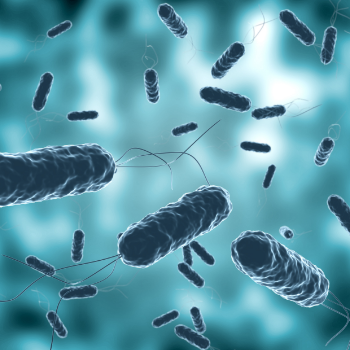
Health experts are raising concerns over the ease with which infections continue to spread in everyday environments, often through routine activities many people overlook. From public spaces to household settings, simple daily habits can expose individuals to a wide range of illnesses, including COVID-19, Cholera, and Malaria.
Medical professionals emphasize that most infections do not occur randomly but are transmitted through common interactions, making prevention a critical part of public health.
Everyday Actions That Increase Risk
Routine activities such as handshakes, touching shared surfaces, or sitting close to someone who is coughing can significantly increase the risk of infection. In crowded environments like public transport, markets, and offices, these risks are even higher.
In many cases, individuals unknowingly transfer germs from contaminated surfaces to their face, allowing pathogens to enter the body through the eyes, nose, or mouth.

Common Ways Infections Spread
Experts identify several primary routes through which infections are transmitted:
Direct Contact: Physical interactions such as touching, kissing, or sexual contact with an infected person can facilitate the spread of disease. Even simple handshakes can transfer harmful microorganisms.
Airborne Transmission: When an infected person coughs, sneezes, or talks, tiny droplets containing infectious agents can be released into the air and inhaled by others nearby.
Contaminated Surfaces: Frequently touched objects such as door handles, ATM machines, mobile phones, and currency can harbor germs, allowing infections to spread from one person to another.
Food and Water Contamination: Consuming improperly cooked food or unsafe water remains a major cause of infections, particularly in areas with limited access to clean sanitation.
Insects and Animals: Disease-carrying vectors such as mosquitoes and rodents play a significant role in spreading infections, especially in tropical regions.
Unsafe Medical Practices: The use of unsterilized equipment or sharing needles and sharp objects can expose individuals to serious infections.
Hidden Nature of Infections
One of the challenges in controlling infections is that symptoms may not appear immediately. Some pathogens can remain in the body for days or even weeks before causing noticeable illness, allowing them to spread silently within communities.
Preventive Measures
Health authorities stress that simple preventive actions can significantly reduce the risk of infection:
Wash hands regularly with soap and clean water
Avoid touching the face with unwashed hands
Cover the mouth and nose when coughing or sneezing
Maintain proper food hygiene and drink safe water
Keep living environments clean to reduce exposure to insects and rodents
Avoid sharing personal items such as razors or needles
Practice safe sexual behavior
Maintain a healthy lifestyle to support the immune system
Public Health Importance
Preventing the spread of infections is not only an individual responsibility but also a community effort. Small, consistent actions can help reduce the burden of infectious diseases and protect vulnerable populations.
Conclusion
Infections spread more easily than many realize, often through everyday habits that seem harmless. However, by adopting basic hygiene practices and staying aware of potential risks, individuals can significantly reduce their chances of falling ill.
Health experts continue to stress that prevention remains the most effective strategy in combating the spread of infectious diseases, particularly in densely populated communities where transmission can occur rapidly.




