


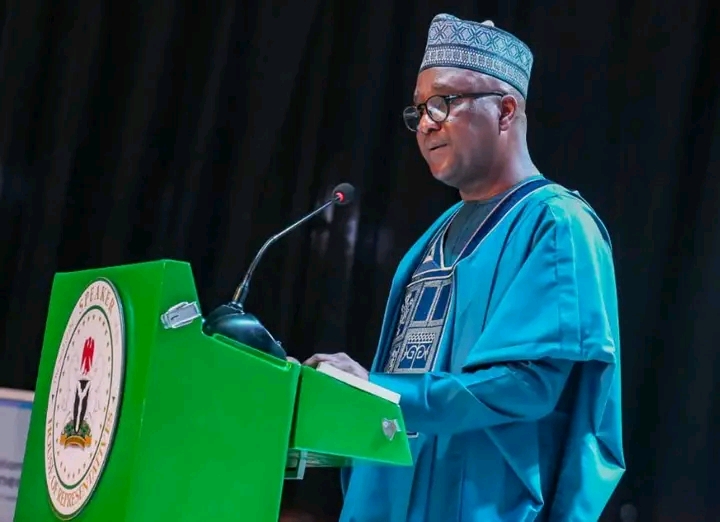
(DDM) – Speaker of the House of Representatives, Tajudeen Abbas, extended heartfelt greetings to Muslims across Nigeria on the occasion of Eid-el-Fitr, emphasizing the role of communal prayers in fostering national unity. In a statement released early Wednesday, Abbas acknowledged the resilience of the Nigerian people amid socio-political challenges and economic hardships, noting that collective faith and reflection have been central to maintaining harmony.
Abbas highlighted that Eid-el-Fitr, marking the end of Ramadan, offers an opportunity for Nigerians to reflect on shared values of compassion, forgiveness, and cooperation. He urged citizens to continue embracing peaceful coexistence and to allow faith-based practices to strengthen social cohesion in communities across the country.
“During this festive season, we celebrate not just spiritual devotion but the bonds that tie us together as a nation. Our prayers, sacrifices, and acts of charity are vital in reinforcing the unity that sustains our democracy,” Abbas said. He also commended Muslims for their discipline and commitment during the fasting period, linking their spiritual focus to broader national stability.
The Speaker’s remarks come amid ongoing national challenges, including security concerns, economic pressures, and efforts to enhance civic engagement. By crediting the role of prayers and religious observance in maintaining unity, Abbas aligned with a tradition in Nigerian governance of invoking faith as a unifying force during public holidays and festivals.

Experts note that in a country as diverse as Nigeria, religious events such as Eid provide crucial moments for reflection and reconciliation. Scholars argue that formal endorsements from national leaders like Abbas can foster a sense of shared purpose and reduce tensions across ethnic and religious divides.
In addition to his greeting, Abbas called on the government, civil society, and traditional institutions to collaborate in addressing societal issues. He emphasized that while prayers sustain morale, practical actions in education, healthcare, and economic development remain essential for translating spiritual unity into tangible progress.
Abbas also encouraged citizens to use the period to extend generosity to the less privileged, stressing that social responsibility complements spiritual observance. He cited examples of mosque-led charity drives and community service initiatives that have historically strengthened ties among Nigerians, particularly in times of hardship.
Religious leaders nationwide have echoed Abbas’ sentiments, highlighting the importance of Eid as a time for reconciliation, forgiveness, and national solidarity. Community-based organizations are organizing outreach programs and interfaith activities to reinforce these values, reflecting a broader societal commitment to peace and cohesion.
The Speaker concluded by urging Nigerians to remain steadfast in faith, patience, and mutual respect, asserting that collective prayers and civic responsibility together fortify the country’s unity and resilience.


