


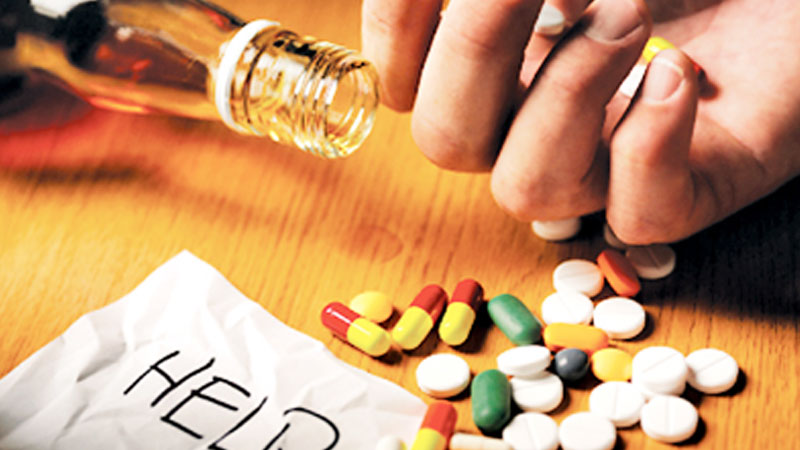
The growing use of hard drugs is becoming a major public health concern, with medical experts warning of severe physical, mental, and social consequences. Substances such as Cocaine, Heroin, and Methamphetamine are particularly dangerous due to their high potential for addiction and long-term harm.
Health authorities stress that while the effects of these drugs can be devastating, recovery is possible with the right support and intervention.
The Impact on Physical Health
Hard drugs can cause significant damage to the body, often affecting multiple organs over time.
Stimulants like cocaine and methamphetamine can increase heart rate and blood pressure, raising the risk of Heart attack and stroke. Opioids such as heroin can slow breathing, leading to fatal overdoses.
Long-term use may also result in liver damage, weakened immune function, and severe weight loss. In many cases, individuals become more vulnerable to infections due to risky behaviors associated with drug use.

Effects on Mental Health
The psychological impact of hard drugs is equally severe. Prolonged use is linked to conditions such as Depression, anxiety, and in some cases, psychosis.
Many users experience mood swings, paranoia, and impaired judgment, which can affect relationships, employment, and overall quality of life. Addiction itself is recognized as a chronic condition that alters brain function and behavior.
Social and Economic Consequences
Beyond health effects, hard drug use often leads to significant social challenges. These may include loss of employment, strained family relationships, financial difficulties, and increased risk of legal issues.
Communities are also impacted, as drug abuse contributes to crime rates, reduced productivity, and increased healthcare costs.
Recognizing Drug Dependence
Experts highlight several warning signs of addiction:
-
Strong cravings and inability to stop using the drug
-
Increased tolerance, requiring higher doses
-
Withdrawal symptoms when not using
-
Neglect of responsibilities and personal relationships
-
Continued use despite harmful consequences
Early recognition is critical for effective intervention.
Steps Toward Recovery
Stopping hard drug use can be challenging, but experts emphasize that recovery is achievable through a structured approach.
Seeking Professional Help: Medical supervision is often necessary, especially for individuals experiencing withdrawal symptoms. Rehabilitation centers and healthcare providers can offer personalized treatment plans.
Detoxification Programs: Supervised detox helps the body safely eliminate harmful substances while managing withdrawal effects.
Therapy and Counseling: Behavioral therapies help individuals understand the root causes of addiction and develop healthier coping strategies.
Medication-Assisted Treatment: In some cases, medications may be used to reduce cravings and prevent relapse, particularly for opioid dependence.
Support Systems: Family, friends, and support groups play a vital role in maintaining long-term recovery.
Lifestyle Changes for Long-Term Success
Recovery extends beyond treatment. Experts recommend:
-
Avoiding environments or social circles associated with drug use
-
Engaging in healthy activities such as exercise
-
Building new routines and goals
-
Practicing stress management techniques
These changes can help individuals rebuild their lives and reduce the risk of relapse.
Prevention and Awareness
Public health professionals stress the importance of education and early intervention in preventing drug abuse. Community programs, school-based awareness campaigns, and access to mental health services are key strategies in addressing the issue.
Conclusion
The effects of hard drug use are far-reaching, impacting individuals, families, and communities. However, with proper treatment, support, and determination, recovery is possible.
Health experts continue to emphasize that addiction is a medical condition—not a moral failing and that seeking help is the first and most important step toward a healthier, drug-free life.

