


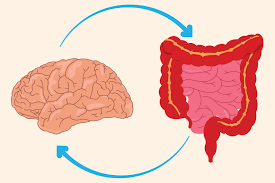
In recent years, scientists have uncovered compelling evidence that mental well-being is not solely governed by the brain in your head. Deep within the digestive system lies a complex network of neurons known as the enteric nervous system often referred to as the body’s “second brain.” This system plays a critical role in the communication between the gut and the brain, influencing mood, behavior, and overall mental health.
Understanding the Gut-Brain Axis
The gut and the brain are connected through a bidirectional communication system called the gut-brain axis. This network involves the central nervous system, the enteric nervous system, and a vast community of microorganisms living in the digestive tract, collectively known as the gut microbiome.
Through chemical signals, nerve pathways, and immune system interactions, the gut continuously sends messages to the brain. One of the most important pathways is the vagus nerve, which acts as a direct communication line between the two organs. Disruptions in this system can influence emotional states, leading to symptoms such as anxiety, irritability, and mood swings.
The Role of Gut Microbiota in Mood Regulation
The gut microbiome consists of trillions of bacteria that help digest food, regulate immunity, and produce essential compounds. Notably, these microorganisms are involved in the production of neurotransmitters such as serotonin, dopamine, and gamma-aminobutyric acid (GABA) chemicals that directly impact mood and emotional balance.

Serotonin, often referred to as the “feel-good” neurotransmitter, is largely produced in the gut. When the balance of gut bacteria is disrupted a condition known as dysbiosis it can interfere with serotonin production and contribute to mood instability.
How Gut Health May Trigger Mood Swings
Emerging research suggests that poor gut health may be linked to frequent mood changes. Several factors can negatively affect the gut microbiome, including:
- Diets high in processed foods and refined sugars
- Chronic stress
- Inadequate sleep
- Overuse of antibiotics
- Low fiber intake
These factors can lead to inflammation in the gut, which may extend to the brain, affecting emotional regulation and increasing susceptibility to conditions such as depression and anxiety.
Signs Your Gut May Be Affecting Your Mood
While mood swings can have many causes, certain physical symptoms may indicate a gut-related issue. These include:
- Persistent bloating or digestive discomfort
- Irregular bowel movements
- Frequent fatigue
- Food intolerances
- Unexplained changes in mood or energy levels
Recognizing these signs early may help individuals take proactive steps toward improving both gut and mental health.
Supporting a Healthy Gut for Better Mental Well-being
Maintaining gut health is increasingly seen as a key component of emotional stability. Strategies that may help support a balanced gut microbiome include:
- Eating a diet rich in fiber, fruits, vegetables, and whole grains
- Including fermented foods such as yogurt, kefir, and sauerkraut
- Staying hydrated
- Managing stress through relaxation techniques
- Getting adequate sleep
- Limiting unnecessary antibiotic use
These lifestyle adjustments can promote a healthier gut environment, potentially improving mood and cognitive function over time.
A Growing Area of Medical Research
The connection between gut health and mental well-being is still being explored, but it is already reshaping how health professionals view conditions like depression and anxiety. Rather than treating these issues in isolation, there is a growing recognition of the need for a more holistic approach that includes digestive health.
Conclusion
The idea that the gut acts as a “second brain” is no longer just a theory—it is a scientifically supported concept with far-reaching implications for health. As research continues to evolve, maintaining a healthy gut may prove to be an essential step in managing mood swings and promoting overall mental wellness.




