


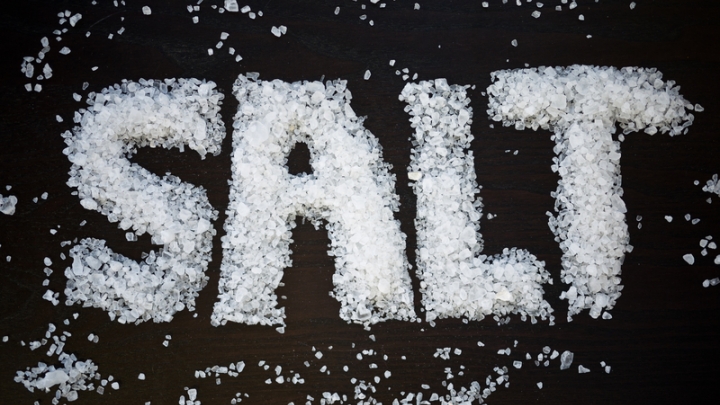
Waking up with a feeling of puffiness or abdominal discomfort is a common experience for many people. While factors such as late-night eating and poor sleep are often blamed, growing attention is being placed on a less obvious culprit hidden dietary sodium. Health researchers are increasingly highlighting how excess salt intake, particularly from unexpected sources, may contribute to fluid retention and morning bloating.
Understanding Sodium and Fluid Retention
Sodium is an essential mineral that helps regulate fluid balance, nerve function, and muscle activity. However, when consumed in excess, it can cause the body to retain water in an effort to maintain balance. This fluid retention may manifest as bloating, especially noticeable in the morning after a night of reduced physical activity.
The body’s natural overnight processes, combined with high sodium intake the previous day, can lead to temporary swelling in the abdomen, face, or hands.
The Hidden Sodium Problem
Many people associate high salt intake with obviously salty foods such as chips or processed meats. However, a significant portion of daily sodium consumption comes from less obvious, everyday items that are often perceived as healthy or harmless.
These hidden sources can quietly push sodium intake beyond recommended levels without individuals realizing it.

Common Hidden Sources of Sodium
1. Bread and Baked Goods
Bread is a staple in many diets, yet even a single slice can contain notable amounts of sodium. Regular consumption throughout the day can quickly add up.
2. Breakfast Cereals
Some cereals, particularly processed or flavored varieties, contain added sodium to enhance taste and shelf life. When combined with other breakfast items, they may contribute more salt than expected.
3. Sauces and Condiments
Products such as ketchup, salad dressings, soy sauce, and seasoning cubes are among the highest contributors to hidden sodium intake. These are often used generously, further increasing consumption.
4. Processed and Packaged Foods
Instant noodles, canned soups, and ready-to-eat meals are typically high in sodium for preservation and flavor. These foods are widely consumed due to convenience, making them a major source of excess salt.
5. Cheese and Dairy Products
While dairy is important for nutrition, certain cheeses and processed dairy products contain added salt. Frequent intake may contribute to fluid retention.
Why Morning Bloating Happens
During sleep, the body remains in a relatively stationary position for several hours. This can allow retained fluid to accumulate, particularly after a high-sodium evening meal. As a result, individuals may wake up feeling bloated or swollen.
Additionally, hormonal changes during the night can influence how the body manages fluid balance, further contributing to this effect.
Long-Term Health Implications
Beyond temporary bloating, consistently high sodium intake is associated with more serious health concerns. These include increased risk of high blood pressure, cardiovascular disease, and kidney strain.
While occasional bloating may seem harmless, it can serve as an early sign of dietary imbalance that warrants attention.
Reducing Hidden Sodium Intake
Managing sodium consumption does not necessarily require eliminating salt entirely, but rather becoming more aware of its sources. Effective strategies include:
- Reading food labels to monitor sodium content
- Choosing fresh, whole foods over processed options
- Preparing meals at home to control added salt
- Limiting the use of high-sodium condiments and seasonings
- Increasing intake of potassium-rich foods, which help balance sodium levels
Conclusion
Morning bloating may not always be the result of overeating or digestive issues alone. Hidden sources of sodium in everyday foods can play a significant role in fluid retention and discomfort. As awareness grows, making informed dietary choices can help reduce these effects and support overall health.
Understanding where sodium hides and how it affects the body remains an important step toward better nutritional habits and long-term well-being.

