


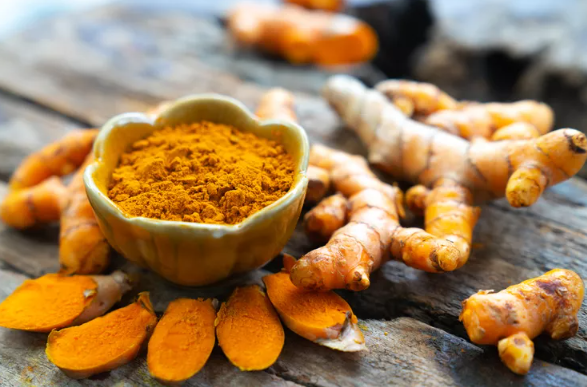
Joint pain is a common complaint affecting millions of adults worldwide, often resulting from conditions such as osteoarthritis, rheumatoid arthritis, or general wear and tear. While conventional treatments like anti-inflammatory medications and physical therapy remain standard, many individuals turn to natural remedies, including dietary supplements, to manage discomfort. Among these, turmeric has gained widespread popularity but do these supplements truly deliver relief?
Understanding Joint Pain
Joint pain arises from inflammation, cartilage degeneration, or injury to connective tissues. Chronic inflammation is a major contributor, leading to stiffness, swelling, and reduced mobility. As a result, interventions that reduce inflammation or support joint health are central to managing symptoms effectively.
Turmeric and Curcumin: The Science
Turmeric, a spice derived from the root of the Curcuma longa plant, contains curcumin a compound with potent anti-inflammatory and antioxidant properties. Research suggests curcumin can inhibit pro-inflammatory molecules and oxidative stress, both of which contribute to joint degeneration and pain.
Several clinical studies have reported that curcumin supplementation may reduce joint stiffness and discomfort, particularly in individuals with mild to moderate osteoarthritis. Some findings indicate that, in certain cases, curcumin’s effectiveness rivals that of non-steroidal anti-inflammatory drugs (NSAIDs) without the associated gastrointestinal side effects.

Bioavailability and Absorption
One limitation of turmeric supplements is curcumin’s natural low bioavailability. The body absorbs curcumin poorly on its own, meaning the therapeutic effects may be limited unless taken in combination with compounds like piperine (found in black pepper) or formulated for enhanced absorption.
Other Natural Remedies
Beyond turmeric, several other natural supplements have been explored for joint health:
- Omega-3 Fatty Acids: Found in fish oil, these can reduce joint inflammation and may improve mobility.
- Ginger: Contains anti-inflammatory compounds that may help alleviate stiffness and discomfort.
- Glucosamine and Chondroitin: These supplements are thought to support cartilage health, though research results are mixed.
- Boswellia Serrata: An herbal extract that may provide pain relief and reduce inflammation in arthritis patients.
Practical Considerations
While natural remedies offer promise, they are most effective when combined with lifestyle measures, including:
- Maintaining a healthy weight to reduce joint stress
- Engaging in low-impact exercise like swimming or walking
- Ensuring proper posture and ergonomics
- Incorporating anti-inflammatory foods such as leafy greens, berries, and nuts
Safety and Consultation
Natural does not always mean risk-free. Supplements can interact with medications, affect blood clotting, or cause digestive issues. Individuals considering turmeric or other herbal remedies should consult a healthcare provider, particularly those on prescription medications or with chronic health conditions.
Conclusion
Natural remedies, including turmeric, can play a role in managing joint pain, particularly for mild to moderate discomfort. While scientific evidence supports some of these interventions, results may vary depending on individual health, dosage, and supplement formulation.
Ultimately, an integrated approach combining evidence-based natural supplements, lifestyle modifications, and conventional treatments offers the most reliable path to improved joint health and reduced discomfort.




