


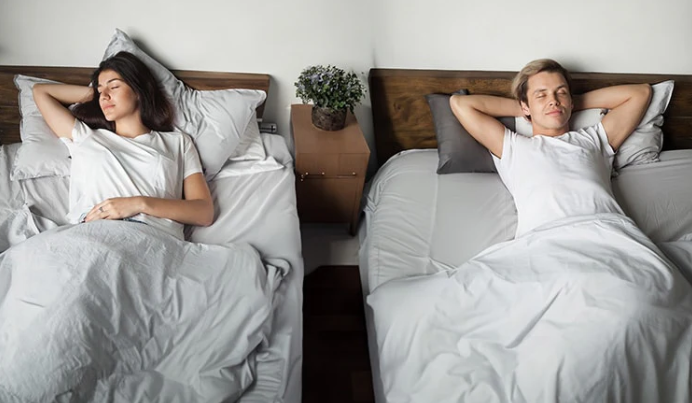
In recent years, a growing number of couples are choosing to sleep apart a trend popularly referred to as “sleep divorce.” While the idea of separate beds or bedrooms may seem unconventional, experts suggest that this approach can have significant benefits for both physical health and relationship satisfaction.
Understanding Sleep Divorce
Sleep divorce occurs when couples deliberately choose to sleep in separate beds or rooms to improve the quality of rest for each partner. Unlike traditional marital separation, this trend is not necessarily a reflection of relationship conflict but rather a practical response to differing sleep needs.
Factors such as snoring, differing sleep schedules, restless movements, or temperature preferences can disrupt sleep. Over time, these disturbances can contribute to fatigue, irritability, and reduced overall health.
The Science Behind Better Sleep
Quality sleep is essential for a wide range of bodily functions, including immune support, cognitive performance, hormone regulation, and emotional well-being. Chronic sleep disruptions can increase the risk of cardiovascular disease, obesity, and mental health disorders.

When couples sleep separately, studies suggest they may experience:
- Improved Sleep Duration and Efficiency: Fewer interruptions lead to longer, more restorative sleep cycles.
- Reduced Stress and Irritability: Better rest supports emotional regulation and reduces tension between partners.
- Enhanced Cognitive Function: Adequate sleep improves attention, memory, and decision-making.
Relationship Benefits
Contrary to concerns that sleeping apart may harm intimacy, research indicates that couples who maintain separate sleeping arrangements often report higher satisfaction. With well-rested partners, interactions during waking hours tend to be more positive, supporting communication, mood, and emotional connection.
Sleep experts note that intimacy does not require co-sleeping; couples can maintain closeness through shared routines, morning rituals, and quality time outside the bedroom.
Practical Tips for Couples Considering Sleep Separation
- Assess Individual Needs: Identify factors disrupting sleep, such as snoring, light sensitivity, or differing schedules.
- Create Comfortable Sleep Environments: Invest in supportive mattresses, adjustable lighting, and room temperature control.
- Maintain Emotional Connection: Separate sleep does not replace communication and shared time. Prioritize daily check-ins and bonding activities.
- Experiment Gradually: Couples may start with one night apart per week or temporary arrangements to test effectiveness.
Cultural and Social Perspectives
While separate sleeping arrangements were once stigmatized, attitudes are shifting. The practice is increasingly viewed as a proactive health choice rather than a sign of marital discord. In cultures where high stress and urban living disrupt sleep, sleep divorce is gaining acceptance as a strategy to preserve both health and relationship quality.
Conclusion
The sleep divorce trend reflects a broader understanding of sleep as a critical component of overall well-being. For couples struggling with disrupted rest, sleeping separately may provide a practical solution that benefits both physical health and relationship satisfaction.
By prioritizing restorative sleep, partners can maintain stronger emotional connections, enhanced mood, and better long-term health proving that sometimes, the healthiest choice for a couple may be a good night’s sleep… apart.




