



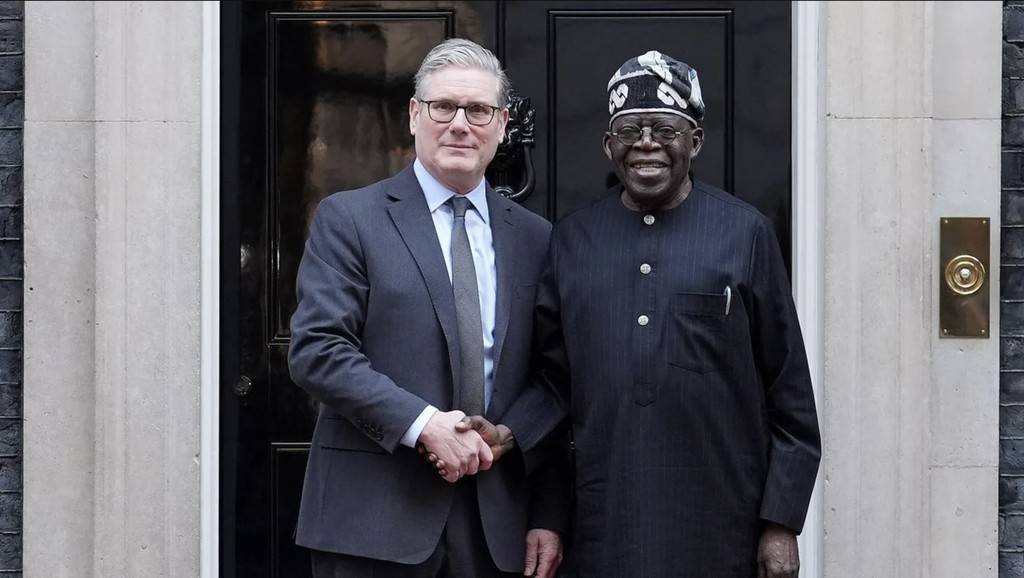
A new chapter in migration control and bilateral cooperation has opened between the United Kingdom and Nigeria, following a landmark agreement designed to accelerate the deportation of Nigerians who no longer have legal rights to remain on British soil. The deal, struck during the recent state visit of Bola Ahmed Tinubu, signals a decisive shift in how both countries intend to manage immigration, border enforcement, and cross-border criminal activity in the years ahead, with far-reaching implications for thousands of individuals currently living in the UK without proper documentation.
At the heart of the agreement is a long-standing administrative bottleneck that has frustrated UK authorities for years—the delay in securing travel documents required to deport individuals. Under the new arrangement, the Nigerian government has agreed, for the first time, to recognize “UK letters” as valid identification for returnees. These documents, previously not accepted by Nigerian authorities, are issued to individuals who lack valid passports but are confirmed to be Nigerian nationals. With this breakthrough, the UK will no longer need to wait for emergency travel certificates to be processed, a step that often took months and in some cases stalled deportations indefinitely.
DDM News gathered that this development is expected to dramatically increase the speed and volume of deportations, particularly for visa overstayers, failed asylum seekers, and foreign nationals convicted of crimes. British officials have described the agreement as a crucial milestone in restoring order to the immigration system, which has come under intense scrutiny in recent years due to rising concerns about illegal migration and abuse of visa processes. The UK government has made it clear that individuals who violate immigration laws will now face swifter consequences, as enforcement mechanisms become more efficient and less encumbered by bureaucracy.
The agreement was formalized through high-level discussions between the UK Home Secretary and Nigeria’s Minister of Interior, Olubunmi Tunji-Ojo, both of whom emphasized the importance of fairness, accountability, and mutual responsibility. For Nigeria, the deal represents not only a commitment to international obligations but also a broader effort to strengthen diplomatic and economic ties with one of its most significant global partners. Officials in Abuja have stressed that maintaining a credible and cooperative relationship with the UK is essential, especially given the large Nigerian diaspora community residing in Britain and the extensive economic links between the two nations.
Beyond deportations, the partnership extends into deeper collaboration on security and crime prevention. Both countries have agreed to launch joint operations aimed at dismantling criminal networks that exploit immigration systems for illicit gain. These include syndicates involved in fraudulent visa applications, fake job sponsorship schemes, sham marriages, and the use of forged financial documents to gain entry into the UK. Authorities believe that tightening verification processes and sharing intelligence in real time will significantly reduce the prevalence of such activities, which have not only undermined immigration systems but also exposed vulnerable individuals to exploitation.

DDM News understands that a new standardized document verification system will be introduced to ensure the authenticity of applications submitted by prospective migrants. This system is expected to close loopholes that have been widely exploited in the past, while also improving transparency and trust between both governments. In tandem with this, Nigeria has pledged to review its domestic laws to impose stricter penalties on individuals involved in immigration-related crimes, signaling a tougher stance against those who seek to profit from illegal migration.
Another key component of the agreement is the establishment of a joint “fusion cell” initiative targeting financial and cybercrime. This model, already in use by the UK’s National Economic Crime Centre, brings together government agencies, financial institutions, technology companies, and telecommunications providers to share intelligence and respond swiftly to emerging threats. The initiative will focus particularly on online scams, including romance fraud, investment schemes, and cryptocurrency-related crimes, many of which have been traced to transnational networks operating between the UK and parts of West Africa.
The effectiveness of this approach has already been demonstrated through previous operations, including one that led to hundreds of arrests and the seizure of millions of pounds in illicit funds. Earlier collaborative efforts between UK law enforcement and Nigerian authorities, supported by major tech platforms, uncovered extensive networks of fraudulent social media accounts used to target unsuspecting victims in Britain. These operations resulted in arrests within Nigeria and highlighted the growing importance of international cooperation in tackling modern forms of crime that transcend borders.
While the agreement has been welcomed by policymakers in both countries, it is also expected to generate debate among human rights advocates and immigration experts, particularly regarding the potential impact on individuals facing deportation. Concerns have been raised about due process, reintegration challenges for returnees, and the broader social implications of increased deportations. However, both governments have reiterated their commitment to ensuring that all actions taken under the agreement adhere to international legal standards and respect the rights and dignity of affected individuals.
At the same time, the partnership is not solely focused on enforcement. Provisions have also been included to enhance legitimate migration pathways, particularly for business and investment purposes. By streamlining visa processes for genuine applicants and fostering economic collaboration, both countries aim to create a balanced framework that supports growth while deterring abuse. There is also a renewed emphasis on protecting vulnerable groups, especially women and children who may be at risk of trafficking or exploitation within irregular migration networks.
As deportation figures continue to rise—reportedly nearing 60,000 removals since recent immigration reforms began—the UK government appears determined to demonstrate that its policies are delivering tangible results. For Nigeria, the agreement underscores a willingness to engage proactively on global migration issues while safeguarding its national interests and international reputation.
In the broader context, this partnership may well serve as a model for similar agreements between the UK and other countries, particularly in Africa, where migration dynamics are complex and rapidly evolving. As both nations move forward with implementation, the success of the deal will likely depend on sustained cooperation, transparency, and a shared commitment to addressing the root causes of irregular migration while promoting lawful and mutually beneficial movement of people.

