


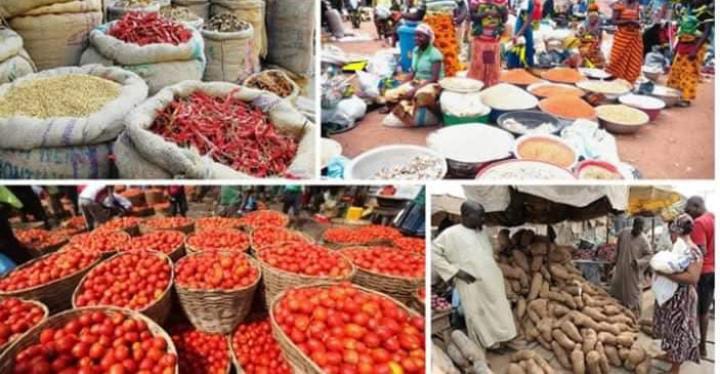
(DDM) — Nigeria recorded a staggering N7.65 trillion expenditure on food and beverage imports in 2025, even as hunger and malnutrition continue to worsen across the country.
The development has raised serious concerns among nutritionists, economists, and policy experts, who question the effectiveness of the nation’s food systems and agricultural policies.
Despite the massive import bill, millions of Nigerians still struggle to access affordable and nutritious food, highlighting a growing disconnect between supply and actual food security outcomes.
Analysts say the rising dependence on imported food reflects persistent challenges in local agricultural production, including insecurity in farming regions, poor infrastructure, and limited access to financing for farmers.

They warn that the trend exposes the country to external shocks, such as global price fluctuations, currency depreciation, and supply chain disruptions.
Experts also note that while food imports may increase availability, they do not necessarily guarantee affordability for low-income households already grappling with inflation and reduced purchasing power.
The situation has contributed to worsening malnutrition rates, particularly among children and vulnerable populations in rural and urban poor communities.
Public health professionals emphasize that malnutrition is not only a food availability issue but also a matter of dietary quality, with many households unable to afford balanced and nutrient-rich meals.
Agricultural stakeholders argue that Nigeria must urgently invest in boosting local food production, improving storage systems, and strengthening value chains to reduce reliance on imports.
They also call for policies that support smallholder farmers, who form the backbone of the country’s food production but often lack resources and institutional support.
Government officials have previously highlighted initiatives aimed at achieving food self-sufficiency, but critics say implementation gaps and policy inconsistencies have limited their impact.
The rising food import bill is also placing additional pressure on the country’s foreign exchange reserves, further complicating economic management efforts.
Economists warn that unless structural reforms are implemented, Nigeria may continue to spend heavily on imports without addressing the root causes of hunger and food insecurity.
As the crisis deepens, stakeholders are urging coordinated action across sectors to improve food accessibility, affordability, and nutrition outcomes for the population.




