


(DDM) — The World Health Organization has raised serious concerns after recent military strikes occurred dangerously close to nuclear facilities in Israel and Iran, warning that the conflict has entered a “perilous stage.”
The alert follows intensified exchanges between both countries, including missile attacks and retaliatory airstrikes targeting strategic and military locations near sensitive nuclear infrastructure.
Health and safety experts fear that any direct hit on nuclear sites could trigger catastrophic consequences, including radioactive leaks and long-term environmental damage affecting millions of people across the region.
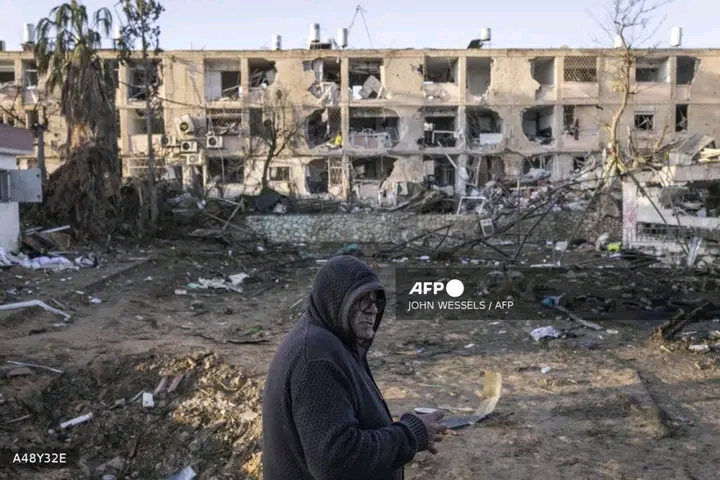
Recent reports indicate that Iranian missiles struck areas near nuclear-related facilities in Israel’s Negev region, injuring dozens and causing widespread panic among civilians.

At the same time, Israeli strikes have reportedly targeted Iranian nuclear-linked facilities, further escalating tensions between both nations.
The WHO emphasized that attacks near nuclear infrastructure significantly increase the risk of a humanitarian disaster, stressing that even limited damage could disrupt healthcare systems and contaminate critical resources such as water and food supplies.
The International Atomic Energy Agency has also urged restraint, noting that while no major nuclear damage has been confirmed so far, the proximity of strikes to such facilities remains deeply concerning.
Global leaders have echoed these warnings, calling for immediate de-escalation to prevent the crisis from spiraling into a nuclear safety emergency.
The situation has been further complicated by broader regional instability, with attacks spreading across multiple fronts, including energy infrastructure and strategic locations.
Analysts warn that continued escalation could lead to a wider Middle East conflict involving multiple countries, increasing the risk of global economic and security fallout.
The WHO has urged all parties to prioritize civilian safety, protect critical infrastructure, and return to diplomatic channels to avoid irreversible consequences.
Observers say the coming days will be critical, as further strikes near nuclear sites could push the crisis into an unprecedented and dangerous phase.




