


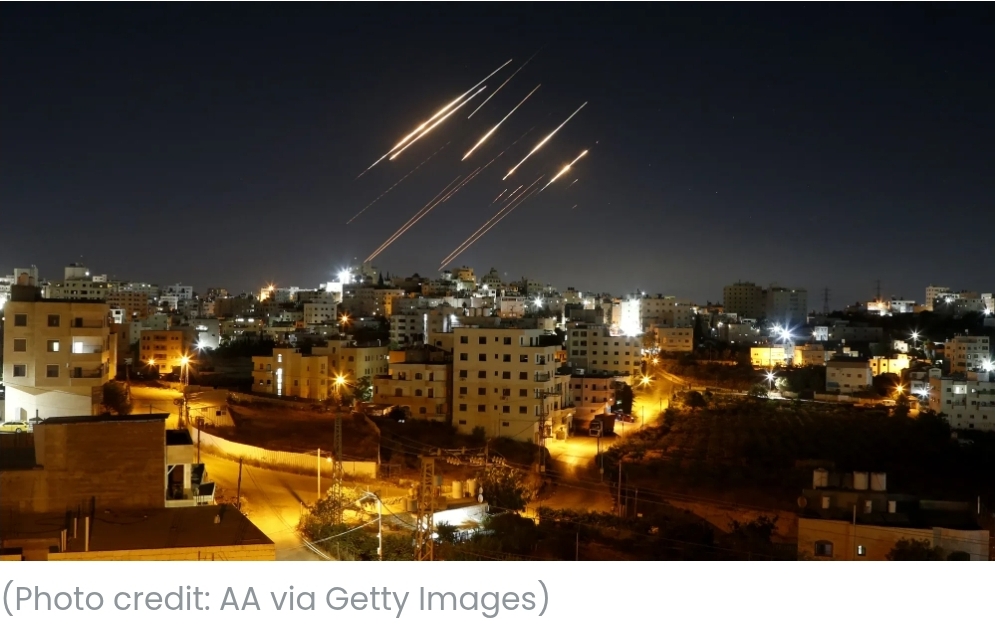
Tensions in the Middle East have intensified dramatically following a reported strike by Iran on a key Israeli industrial installation, marking a significant escalation in the ongoing hostilities between the two regional adversaries. According to emerging reports, an Iranian ballistic missile struck a chemical complex in southern Israel, triggering a large explosion and fire that has since drawn global attention and heightened fears of a broader confrontation.
The incident reportedly occurred on March 25 at a facility identified as the ICL Rotem chemical complex, situated within the Rotem Industrial Zone near the town of Dimona in Israel’s Negev desert. The area is known for hosting a cluster of industrial and technological operations, some of which are considered strategically sensitive. Initial accounts indicate that the missile made a direct impact on the site, resulting in a powerful blast that sent plumes of smoke rising into the sky and ignited a fire that emergency services struggled to contain in the immediate aftermath.
Iran’s latest action is believed to be part of a series of retaliatory measures carried out in recent days, as the Islamic Republic has ramped up its use of drones and ballistic missiles in response to what it perceives as Israeli aggression. While Iranian authorities have not officially released detailed statements confirming the specific target, sources aligned with Tehran have suggested that the strike was deliberate and aimed at infrastructure linked to controversial military supply chains.
Of particular concern are claims that the ICL Rotem facility is involved in the production or supply of white phosphorus, a chemical substance that has drawn widespread criticism when used in military operations due to its devastating effects. Research cited by Resistance News Network (RNN) alleges that the complex provides materials connected to white phosphorus manufacturing, with some of these supplies reportedly reaching the United States military. These claims, while not independently verified, have fueled intense debate and scrutiny over the role of industrial facilities in modern warfare logistics.

White phosphorus, though legally permissible for certain military uses such as illumination and smoke screening, has been the subject of international controversy because of its potential to cause severe burns and civilian harm when deployed in populated areas. The alleged link between the targeted facility and such materials appears to have elevated the symbolic and strategic significance of the strike, positioning it as more than just a tactical operation but also a message within the broader geopolitical narrative.
DDM News gathered that the explosion at the site caused significant disruption within the industrial zone, with nearby operations temporarily halted as safety protocols were activated. Emergency responders were deployed swiftly, working to contain the blaze and prevent further damage to adjacent infrastructure. While there have been no immediate confirmations regarding casualties, authorities are said to be assessing the full extent of the damage and potential environmental impact of the incident.
The strike underscores the growing complexity of the Iran-Israel confrontation, which has increasingly spilled beyond covert operations and proxy engagements into more direct and visible military exchanges. Analysts warn that such developments could mark a dangerous turning point, as both sides appear more willing to engage in actions that risk triggering wider regional instability.
Israel has yet to issue a comprehensive official response to the reported attack, but security sources indicate that the country’s defense systems remain on high alert amid concerns of further strikes. The Israeli government has consistently maintained a policy of responding decisively to threats against its territory, raising the possibility of retaliatory measures that could further escalate tensions.
Meanwhile, the international community is closely monitoring the situation, with calls for restraint growing louder as fears mount over the potential for a full-scale conflict. The involvement of industrial and chemical facilities in the hostilities adds another layer of concern, particularly given the potential humanitarian and environmental consequences associated with such targets.
DDM News understands that this latest development may also have implications for global geopolitical alignments, especially if allegations regarding the supply chain connections to foreign military entities gain traction. The intersection of industrial production, military logistics, and international alliances is likely to become a focal point of diplomatic discussions in the coming days.
As the situation continues to unfold, observers emphasize the need for verified information and caution against premature conclusions, noting that the fog of conflict often obscures critical details in the immediate aftermath of such घटनements. Nonetheless, the strike on the Rotem Industrial Zone stands as a stark reminder of the volatility of the region and the ever-present risk of escalation that could have far-reaching consequences beyond the Middle East.




