


(DDM) – The Federal Government has commenced the rollout of a $552.18 million education reform programme aimed at transforming Nigeria’s basic education sector and improving learning outcomes nationwide.
The initiative, known as HOPE for Quality Basic Education for All and HOPE-Governance, is being implemented in partnership with the World Bank and the Global Partnership for Education.
The programme is designed to impact over 29 million children and empower approximately 500,000 teachers across the country.
It also includes plans to construct about 13,000 classrooms and reintegrate millions of out-of-school children into the education system.

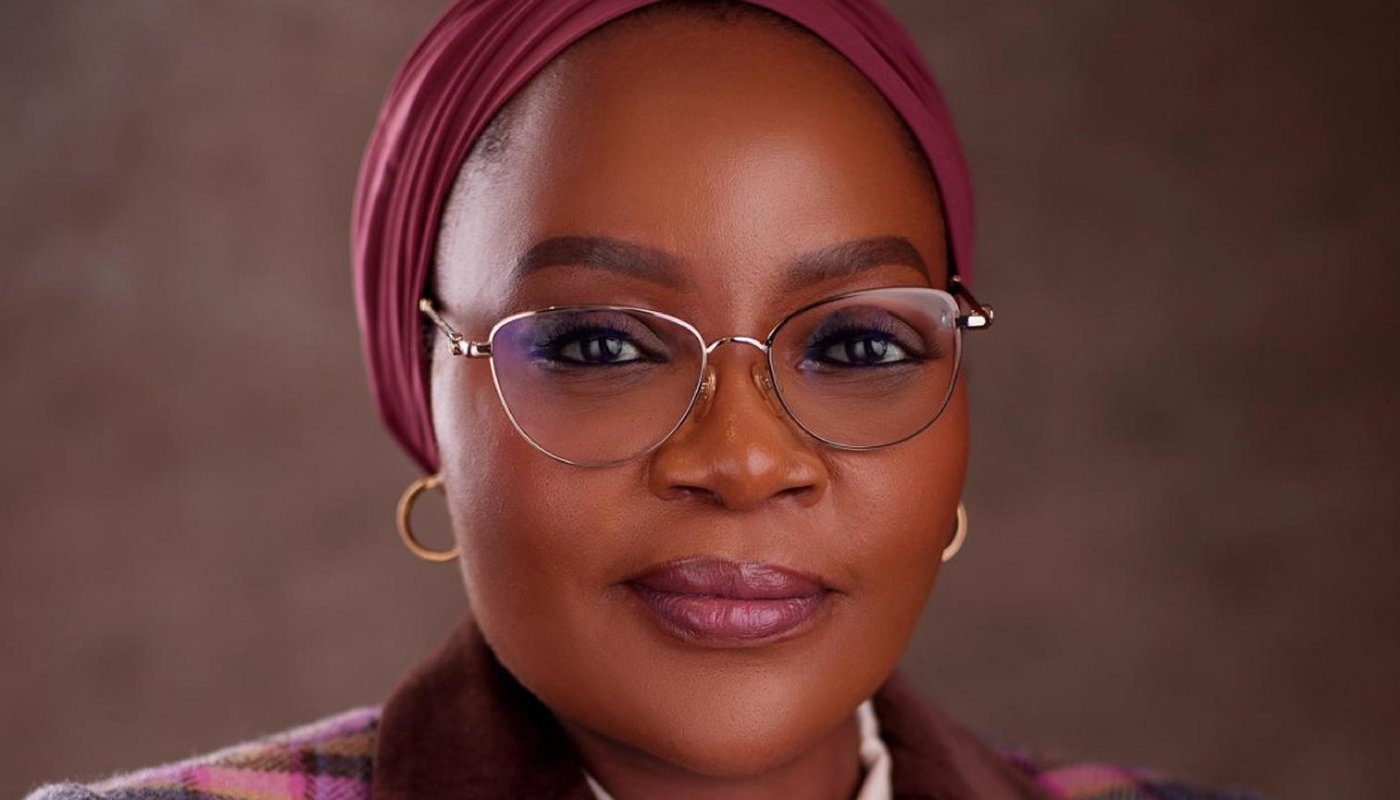
The Executive Secretary of the Universal Basic Education Commission, Dr. Aisha Garba, disclosed details of the initiative during a sensitisation workshop held in Ikeja, Lagos.
The workshop brought together Commissioners of Education, Chairmen of State Universal Basic Education Boards, and key stakeholders responsible for implementing the programme.
Garba described the initiative as a transformative movement that would significantly influence classrooms, communities, and future generations.
She emphasised that while the Federal Government would provide funding and technical support, the success of the programme depends largely on implementation at the state and grassroots levels.
According to her, state authorities will be responsible for conducting needs assessments, mobilising communities, and executing projects effectively.
The reform initiative aligns with President Bola Ahmed Tinubu’s Renewed Hope Agenda, which prioritises human capital development.
Officials stated that the programme is structured to improve the quality of teaching materials, strengthen learning outcomes, and enhance teacher capacity nationwide.
It is also expected to address long-standing challenges such as inadequate infrastructure and weak educational systems.
Nigeria currently faces one of the highest rates of out-of-school children globally, a situation worsened by underfunded schools and limited access to quality education.
Primary healthcare and education systems at sub-national levels have also struggled with poor resource management and insufficient staffing.
Garba stressed the importance of inclusivity, calling for focused attention on girls, vulnerable children, and those in conflict-affected areas.
She noted that education for these groups is essential for national development and social stability.
The programme adopts a results-based financing model, where states will receive funding based on measurable outcomes and performance indicators.
Authorities explained that digital monitoring systems would be deployed to ensure transparency and accountability in the use of funds.
Stakeholders, including local governments, civil society organisations, and the private sector, are expected to collaborate in the implementation process.
The rollout is being conducted in phases, with initial sessions held in Uyo for South-South and South-East states, followed by Lagos for South-West and North-Central regions.
A final phase is planned for Northern states, including the North-West and North-East regions.
The programme officially became effective in February 2026 and is expected to address critical gaps in governance, teacher development, and school infrastructure.
Education experts believe the initiative could mark a significant turning point if properly implemented and sustained across all levels of government.




